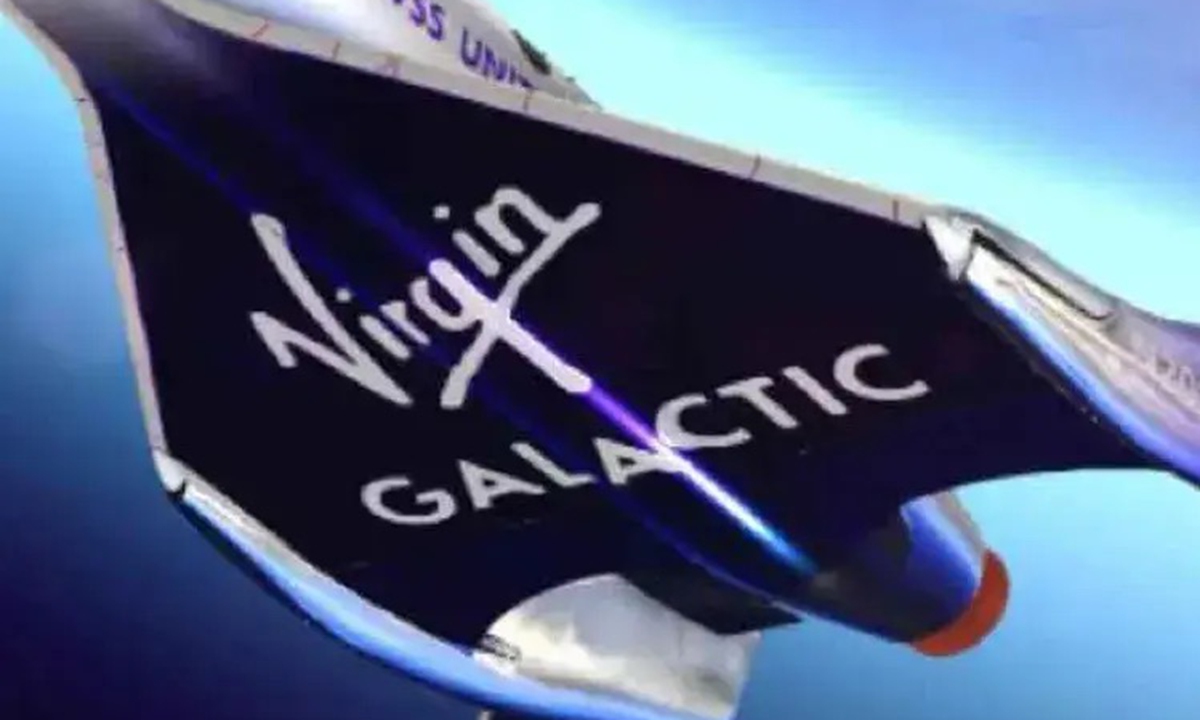
Trip.com has introduced a luxury space tour package priced at 5.1 million yuan (approximately $759,900) and up, featuring pre-flight training and a suborbital flight experience. This offering, announced on its official WeChat account, includes a six-day itinerary starting in Las Cruces, US. The first four days focus on pre-flight preparations and training, culminating with passengers boarding Virgin Galactic's spacecraft for a 90-minute suborbital flight on the fifth day.
Read More
During the flight, participants can expect several minutes of weightlessness and views of Earth through 17 windows in the spacecraft. After the experience, they will receive commercial astronaut certification from the Association of Space Explorers.
Training for participants involves simulator-based exercises, which encompass centrifuge training, G-force tolerance drills, parabolic flights, sensory overload exercises, emergency response drills, and equipment operation training. This preparatory regime aims to equip travelers to handle unexpected scenarios.
The package is the most expensive publicly available space tour on the Chinese market, sparking considerable discussion on social media. Some users expressed wonder at the opportunity to view Earth from space, while others criticized the steep cost of commercial space travel. This mix of excitement and skepticism mirrors broader concerns regarding the maturity and safety of the commercial spaceflight industry.
One user on X raised questions about the industry's ability to advance quickly, highlighting the upcoming target date of 2027 for Virgin Galactic's next-generation spacecraft to enter commercial service. The company's timeline was recently extended from late 2026 to allow for additional avionics and system installations.
Currently, Virgin Galactic has opened bookings for a limited series of 50 spaceflights at a cost of $750,000 each. As of August 12, these seats were oversubscribed, adding over $50 million to the company's anticipated future revenue from space flights, according to their second-quarter Form 10-Q filing with the US Securities and Exchange Commission.