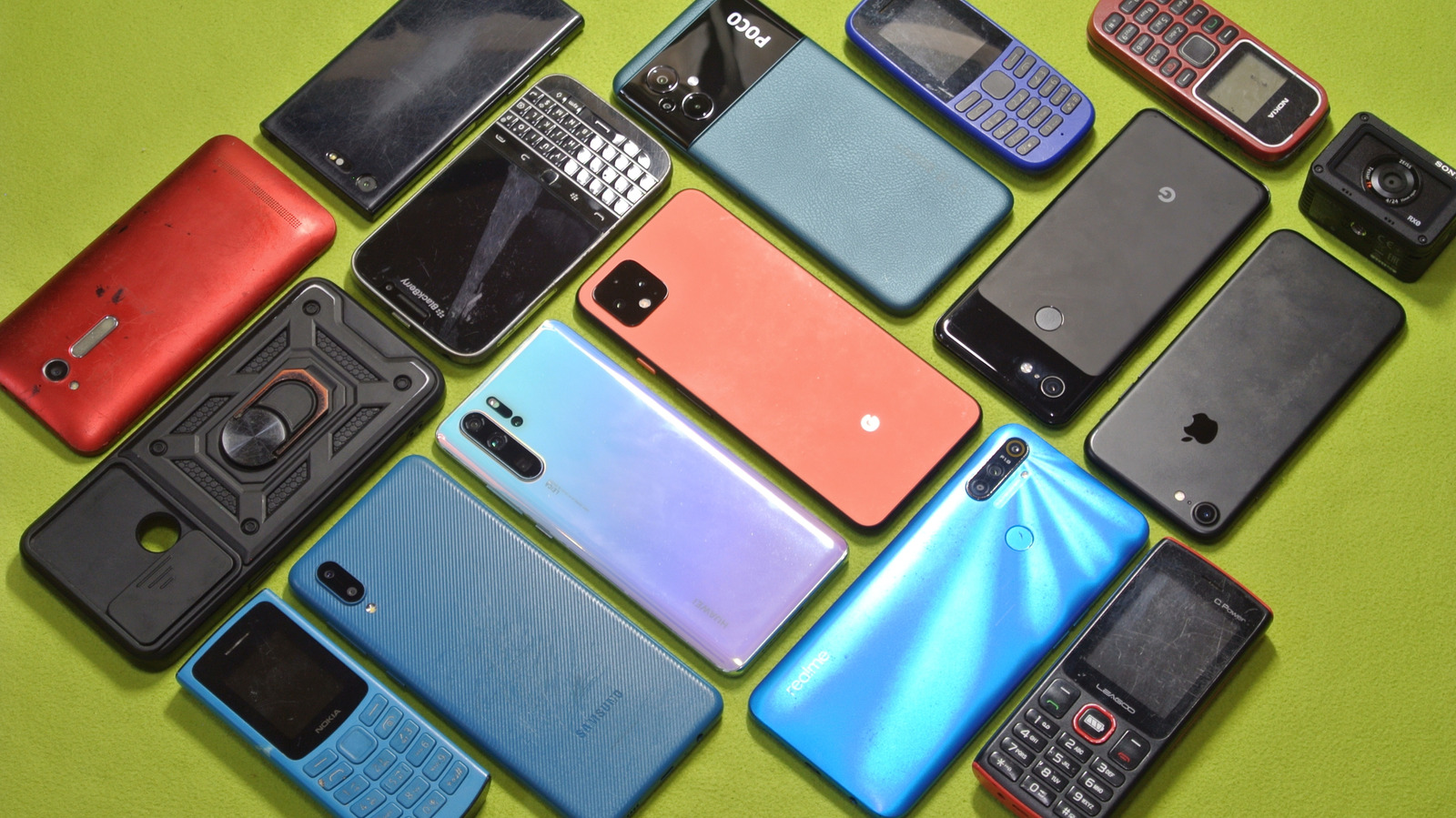
Smartphones, like those running Android or iOS, do not have an absolute expiration date, but they do reach a practical end-of-life when vendors stop providing software updates. This date is crucial for users, as it signifies the end of security updates that protect devices from vulnerabilities that could be exploited by hackers.
Read More
Many Android manufacturers, including Samsung and Google, have begun extending their software support to up to seven years for recent flagship devices, a commitment that started in 2023 and 2024. Previously, Samsung offered support for approximately four years on flagship models, while Google’s Pixel devices were typically supported for up to five years. Other budget Samsung phones may receive up to six years of updates.
For users looking to track their device's end-of-life, the End of Life website provides a useful resource. By navigating to the Devices section, users can find a comprehensive list of smartphones from various brands, including Apple, Samsung, and Google, alongside their respective support timelines.
For example, the Google Pixel 10a, announced in February 2026, is set to stop receiving updates on March 1, 2033. The Pixel 8 Pro will end its updates on October 1, 2030, while the Pixel 6 Pro will expire sooner, in October 2026.
Despite the end of official support, users can continue to use their devices. However, doing so poses risks, especially for those who may not be aware of online security threats. Without regular security updates, older devices become increasingly vulnerable to cyberattacks.
For users not opting for devices with extended support, the End of Life website helps determine the ongoing trustworthiness of a smartphone for secure operations. Nevertheless, it’s essential for users to consider factors beyond software life when deciding to retain their phones, as components such as the battery, screen, and processor may deteriorate over time, prompting the need for an upgrade.