Foldable smartphones have gained traction since Samsung launched the original Galaxy Fold, with manufacturers like Motorola and Google introducing various models. However, a 2026 study by Counterpoint Research shows that foldables still only account for 2% of total smartphone sales.
Read More
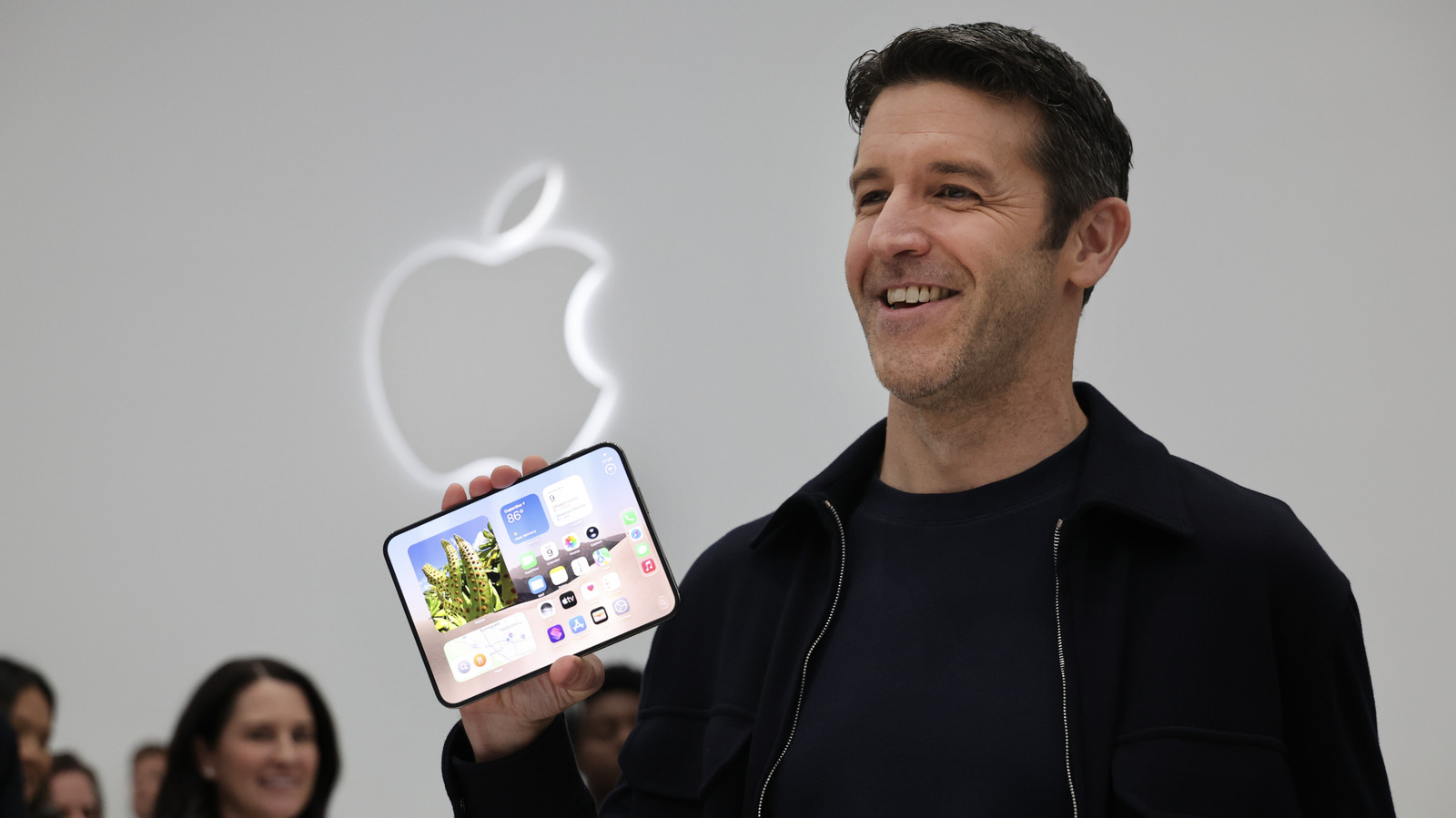
Apple's anticipated release of the iPhone Duo may change this trend, similar to how the original iPhone popularized modern smartphones. The iPhone Duo features advanced hardware, including a nearly invisible crease due to a sophisticated hinge mechanism and a matte display. Furthermore, its software is specifically designed for the foldable format, addressing a key shortcoming in many Android foldables that often use software not optimized for their unique design. Analysts suggest the iPhone Duo could broaden the appeal of foldables beyond tech enthusiasts and early adopters, prompting competitors to enhance their offerings.
Samsung has been enhancing its foldable line over the past seven years, with the Galaxy Z Fold 8 receiving positive reviews and a 50% increase in first-month sales in Europe compared to its predecessor. Many new customers for the Z Fold 8 are coming from other brands, indicating that foldable devices can be more mainstream rather than just niche products. The Z Fold 8 boasts improvements in weight, battery life, camera system, and overall ergonomics, showing that consumers were waiting for a foldable option comparable in quality to standard smartphones.
Apple's entrance into the foldable market is significant, echoing its historical role in launching product categories. The iPhone Duo is expected to sell over 6 million units in its first year, contributing to a projected 100 million total shipments in the foldable market by 2026. This potential success could drive innovation across the industry; as Apple sets new standards, competitors like Samsung may adopt similar advancements, fostering a mutually beneficial cycle of improvement in foldable technology.