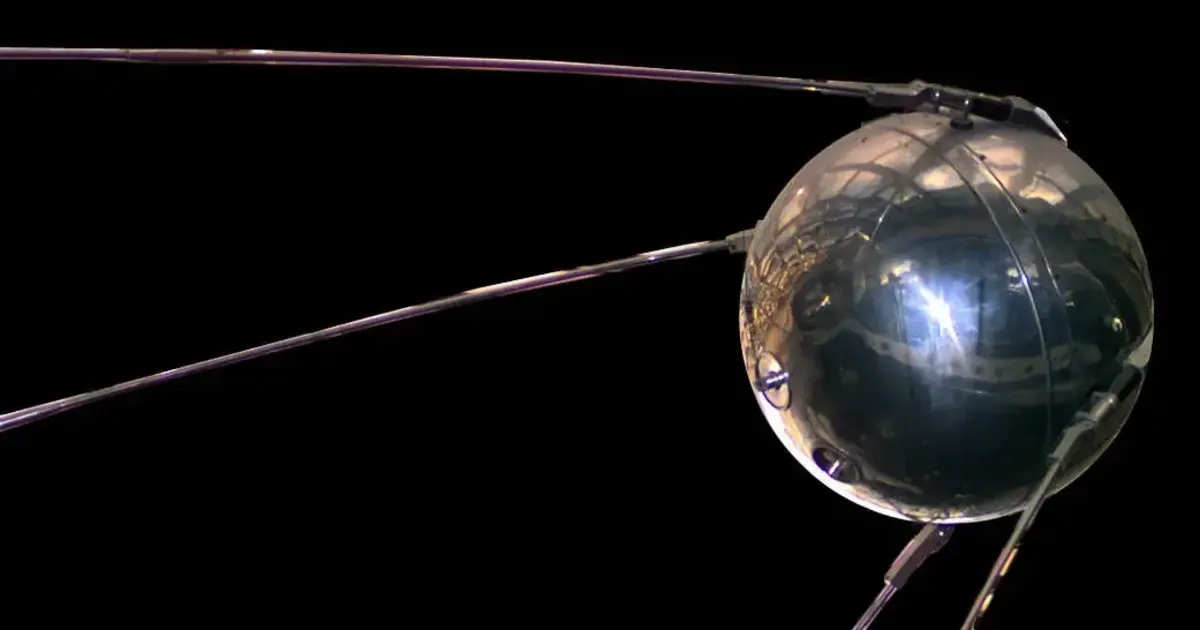
In the early 1960s, computers such as the IBM 7090 were large, power-intensive machines, often weighing several tons and rented for approximately $500,000 a month in today's currency. NASA utilized these computers, along with a group of women known as “human computers,” highlighted in the film *Hidden Figures*, for critical calculations for the U.S. space program. These women, particularly at the Jet Propulsion Laboratory (JPL), played a significant role in calculating the trajectory for Explorer 1, America's first satellite, launched just months after Sputnik.
Read More
To facilitate manned moon missions, NASA needed a drastically different type of computer that was lightweight enough to fit in a spacecraft, durable enough for launch, and energy-efficient enough to operate on the power of a small light bulb. This led to the development of integrated circuits, which allowed multiple electronic components, including transistors, to be compacted onto small semiconductor chips. This technological advancement coincided with the early stages of the Apollo program.
The result was the Apollo Guidance Computer (AGC), built by Raytheon with guidance from MIT. This compact device packed around 4,100 integrated circuits into a briefcase-sized unit capable of performing calculations for the spacecraft's position and managing its guidance, navigation, and propulsion systems. Notably, the AGC operated with approximately 4 kilobytes of erasable memory and 72 kilobytes of fixed memory. According to tech analyst Pyle, a modern cellphone has around 3 million times more RAM than the AGC, with high-end iPhones containing more computing power than was available worldwide in the early 1960s.
During its peak, the Apollo program accounted for about 60 percent of all integrated circuits produced in the United States, creating a robust market for chip manufacturers. This surge in demand contributed to a dramatic decrease in chip prices, from $1,000 to just $15 by the time astronauts landed on the moon in 1969.
The advancements in integrated-circuit technology driven by the Apollo program have profound implications for modern electronics. This technology laid the groundwork for flight computers in commercial aircraft, drones, and satellites, and it powers laptops, smartwatches, fitness trackers, and smart home appliances such as internet-connected refrigerators and washing machines. According to Barry, while these advancements might have occurred eventually, they were significantly accelerated by NASA's demand for integrated circuits during the space race.