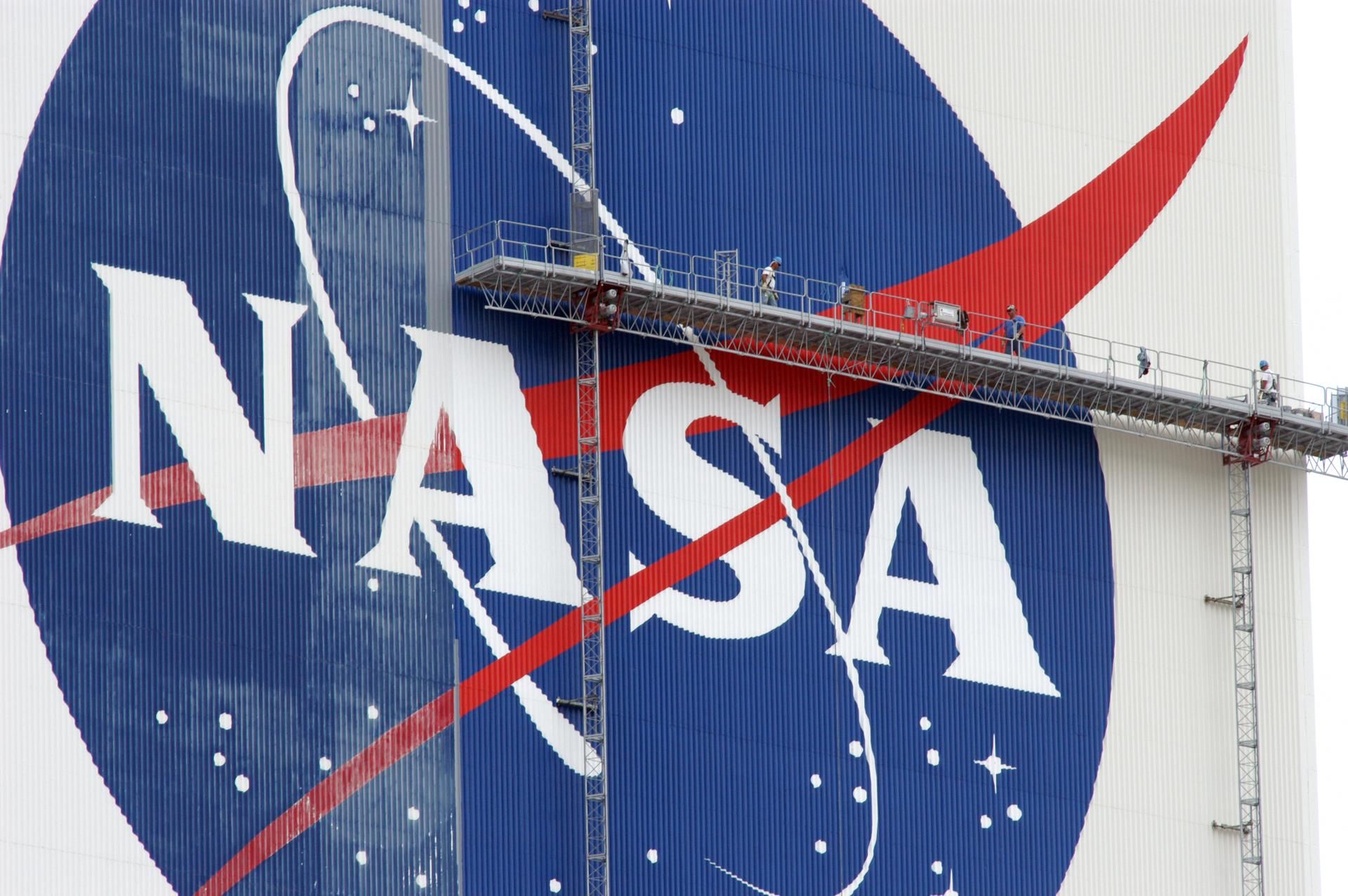
On October 1, 1958, NASA was officially established, marking a significant moment in the history of U.S. space exploration. This development followed President Dwight Eisenhower's signing of the National Aeronautics and Space Act on July 29, 1958, which came in response to the Soviet Union's launch of Sputnik. The formation of NASA was a strategic move to enhance U.S. efforts in space research and technology amid the intense competition of the Cold War.
Read More
The agency absorbed the National Advisory Committee for Aeronautics (NACA) along with its 8,000 employees and three laboratories, allowing for a robust foundation in aeronautics that later contributed to space exploration.
Eisenhower appointed Dr. T. Keith Glennan as the first administrator of NASA and Dr. Hugh L. Dryden as deputy administrator. The establishment of NASA came as the United States sought to demonstrate its technological capabilities, particularly after the launch of its first successful satellite, Explorer 1, on January 31, 1958. This satellite was pivotal in discovering the radiation belts surrounding Earth.
Eisenhower believed a civilian-led agency would be more effective than a military one, given the already evident inter-service rivalries that had hampered satellite launch efforts. NASA quickly became central to U.S. endeavors in the Space Race, ultimately achieving the milestone lunar landing with Apollo 11 in July 1969.
In subsequent years, NASA opened doors to international collaboration, notably through the Apollo-Soyuz Test Project and ongoing partnerships on the International Space Station. Additionally, NASA has engaged in significant planetary exploration, including the deployment of the first rovers on Mars, Earth observation missions, and advanced astrophysics probes.
On October 1, 2026, to commemorate NASA's 68th anniversary, a SpaceX rocket launched four Crew-13 astronauts to the International Space Station, including two from NASA, further encapsulating the agency's ongoing legacy in space exploration.