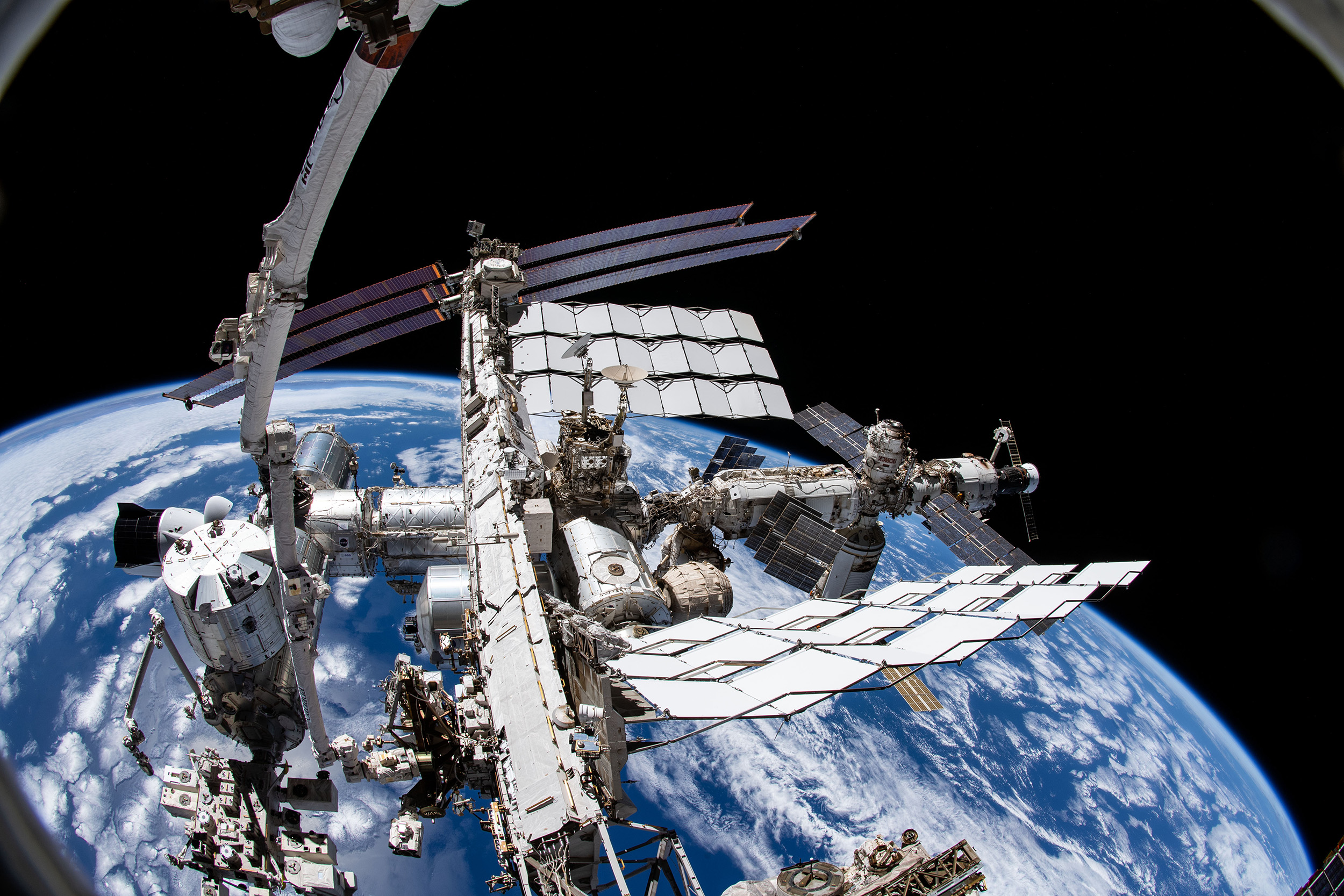
The University of Nebraska at Kearney (UNK) will participate in the Student Spaceflight Experiments Program (SSEP), enabling students to conduct research aboard the International Space Station. This initiative, which focuses on STEM education, allows students to design microgravity experiments to be launched into space.
Read More
In spring 2027, the selected experiment, created by UNK students, will be sent into orbit on a SpaceX rocket. Once at the space station, astronauts will conduct the experiment over four to six weeks before returning the data and project materials to Earth for further analysis.
Joel Berrier, an associate professor and chair of UNK’s Department of Physics and Astronomy, noted the program offers students a valuable opportunity to engage in the real research process, including writing proposals and undergoing evaluations similar to professional scientists.
SSEP, launched in 2010, immerses students in authentic scientific research, requiring them to develop experiments that function effectively in a weightless environment. This fall, UNK will host a campus-wide competition where students will form teams to create experiment proposals. A panel of faculty members will select three finalists, which will then compete at a national level for one to represent UNK in space.
The competition is open to all undergraduate students, including freshmen and seniors, with participation encouraged across various academic disciplines such as physics, biology, chemistry, and health sciences. Students can explore a range of scientific topics, from microbiology and crystal growth to studies involving aquatic life, focusing on how these systems behave in microgravity.
Berrier emphasized that this kind of hands-on experience is rare and aligns with UNK’s commitment to experiential learning. He highlighted the significance of being among the 30 to 35 institutions allowed to participate in the program annually, noting that this is UNK's first involvement in SSEP.
Funding for the project has been secured through the Nebraska EPSCoR program, backed by the National Science Foundation. In addition to research, students in UNK Art and Design will create mission patch designs that will accompany the experiment, returning as certified flown artifacts.
Post-mission, participants will analyze the data collected and have the opportunity to present their findings at a national conference at NASA’s Kennedy Space Center. Berrier expressed excitement for the program, hoping it showcases the capabilities of UNK students.