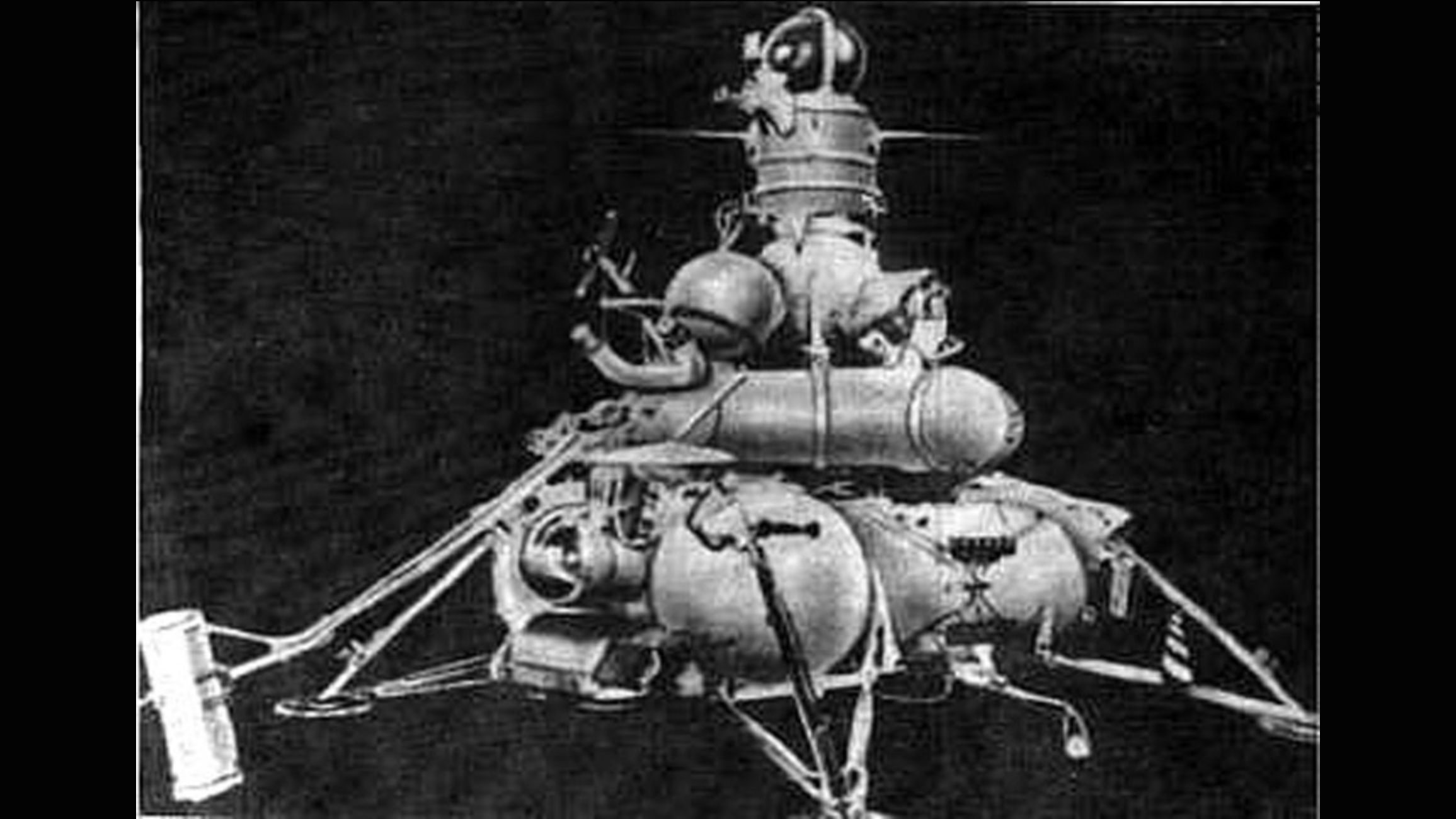
On September 20, 1970, the Soviet Union's Luna 16 mission achieved a significant milestone by landing on the moon to retrieve a sample of lunar soil. This made Luna 16 the first robotic spacecraft to successfully land on the moon, collect a soil sample, and return it to Earth. The spacecraft's landing followed five previous failed attempts by the Soviet space program to return lunar samples. Overall, Luna 16 marked the third successful retrieval of lunar material, following NASA's Apollo 11 and Apollo 12 missions, which had previously brought back rocks and soil.
Read More
Luna 16 landed in the Mare Foecunditatis, also known as the Sea of Fertility, where it gathered 101 grams (3.5 ounces) of lunar soil. The mission used a Proton K rocket for its launch on September 12, 1970, taking eight days to reach the moon. On September 21, after collecting its sample, Luna 16 sent the sample return capsule back to Earth, which landed on the steppes of Kazakhstan on September 24.
This mission was significant for demonstrating that the Soviet Union could successfully collect lunar samples using a robotic system, thereby avoiding the costs and risks associated with crewed missions. It also showcased the capability to drill approximately 35 centimeters into the moon's surface to obtain a core sample, which was done in total darkness as the area was night during the landing, making Luna 16 the first probe to accomplish this feat in lunar night. The European Space Agency notes that the drilling process took about seven minutes.