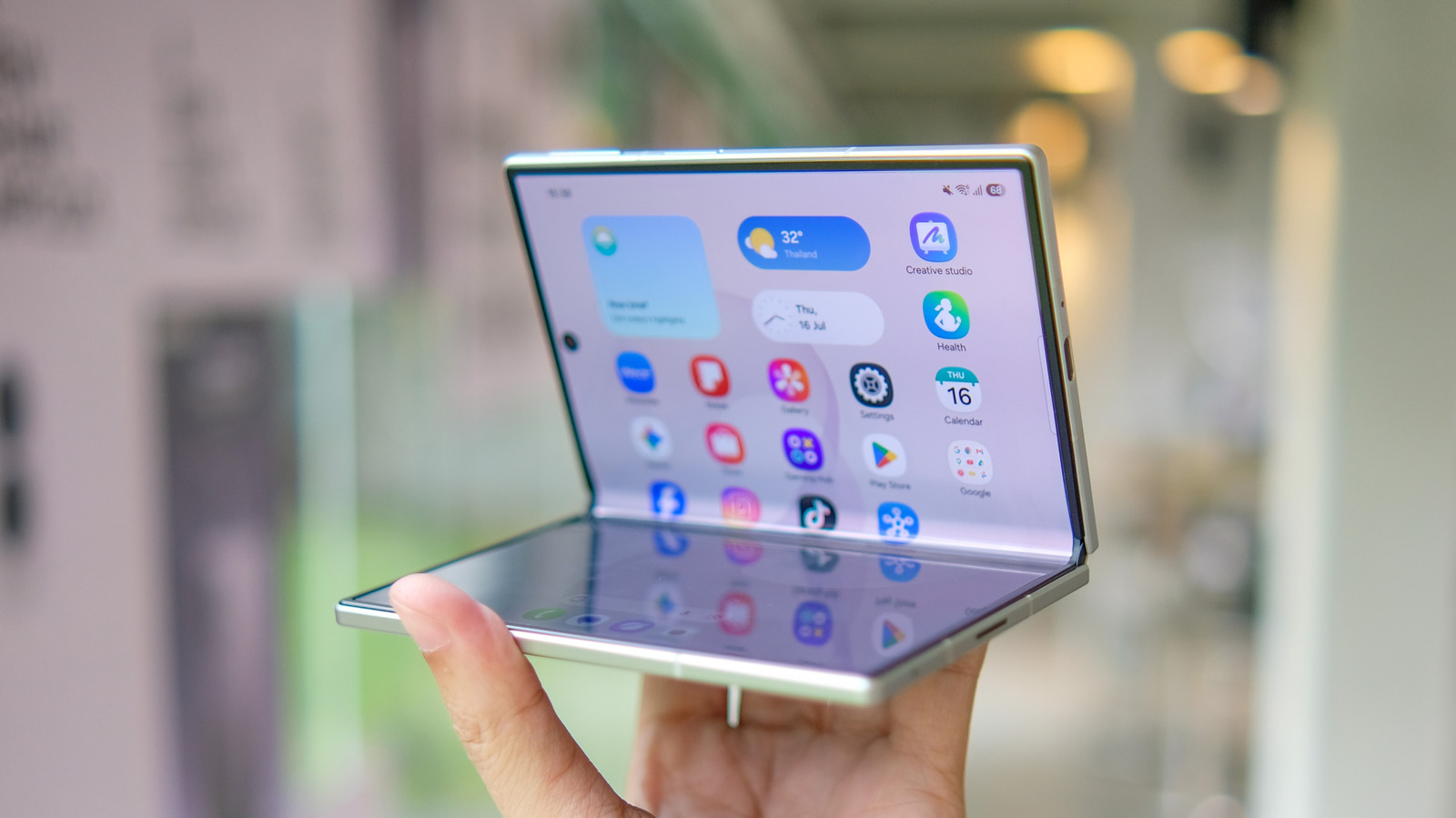
When considering a screen protector for a foldable phone, it's essential to understand the unique challenges these devices present. Foldable phones typically feature two screens, with the inner display employing different technologies compared to standard smartphones. Due to their delicate construction, extra care is warranted.
Read More
While it is acceptable to apply a screen protector on the outer screen—since it resembles those of regular smartphones—the inner screen requires caution. Most manufacturers advise against adding any extra protectant to the inner display.
The vulnerability of the inner screen stems from its use of flexible layers rather than rigid glass, allowing it to endure multiple folds. For instance, Samsung’s Galaxy Z Fold8 includes a built-in screen protector made from TPU (thermoplastic polyurethane), specifically designed for foldable screens. Apple’s recently announced iPhone Duo also features a screen protector that reduces creasing visibility.
Manufacturers discourage users from attempting to remove built-in protectors, as demonstrated by issues faced by early adopters of the Galaxy Fold who removed their protectors and subsequently experienced display malfunctions. Both Samsung and Apple provide replacement services for these internal protectors, emphasizing the importance of professional handling.
Some brands offer ultra-thin screen protectors for the inner display, typically less than 0.1mm thick, but applying these unofficial protectors poses risks of damaging the display, particularly in high-value devices. Adhering to the manufacturer's guidelines is prudent.
In contrast, the outer screen is compatible with various screen protectors, as it functions like a standard smartphone screen made of chemically strengthened glass. Users can confidently layer an additional protector if desired.
However, dust emerges as a significant threat to foldable phones. Models like the Galaxy Z Fold are IP48-certified, which resists minor water exposure and larger debris, yet they remain vulnerable due to open hinge mechanisms. In comparison, the iPhone Duo boasts IP68 certification for better dust and water resistance, though long-term durability remains to be seen.
To enhance the protection of foldable devices, opting for cases that shield the hinge rather than covering the inner screen is advisable. Avoiding common pitfalls and adhering to maintenance tips will contribute to prolonging the lifespan of these innovative phones.