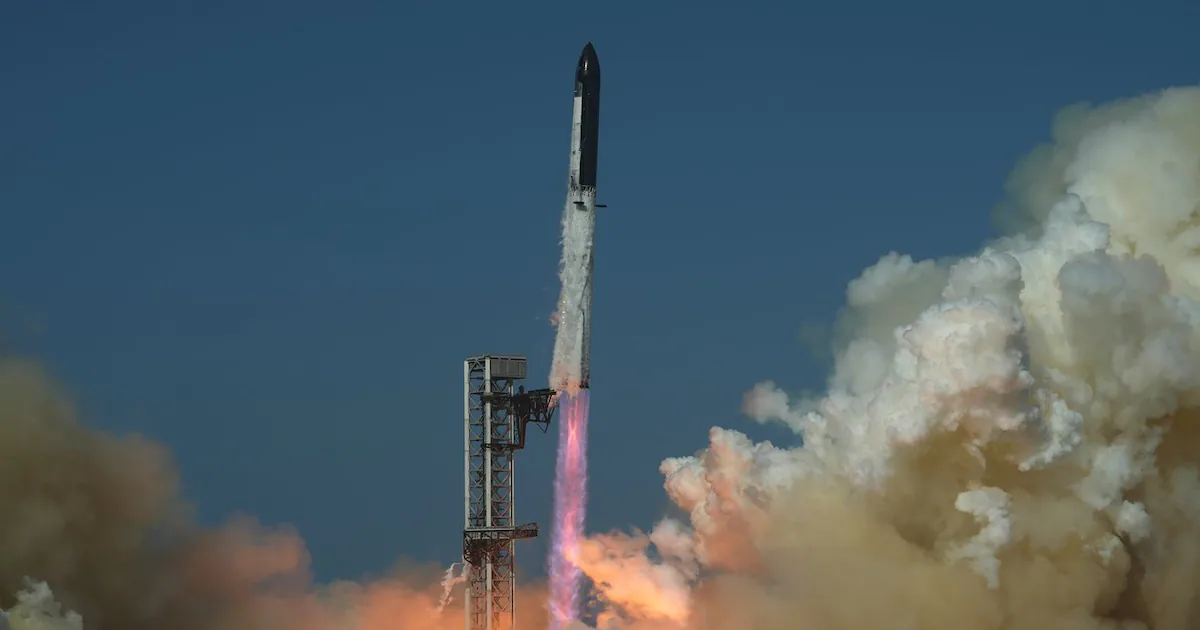
Canada is set to enter a new phase in its space endeavors with astronaut Joshua Kutryk preparing to fly on NASA's SpaceX Crew-13 mission next month. This marks the first time a Canadian astronaut will participate in a commercial spaceflight, a development that could significantly impact the nation’s space economy.
Read More
Kutryk, a member of the Canadian Space Agency (CSA), expressed that this mission could pave the way for greater Canadian involvement in commercial space ventures. "We are flying on a private company’s rocket, SpaceX’s Dragon and their Falcon 9 rocket. That’s the first time the Canadian Space Agency is doing this," he told BNN Bloomberg. He noted that reliance on private companies like SpaceX is indicative of a broader shift in space exploration.
The upcoming mission, which will last six months, is not only an opportunity for Canadian scientists but also involves research initiatives from around the world. Kutryk emphasized that two primary goals of the mission include studying the effects of long-duration spaceflight on astronauts and advancing healthcare solutions on Earth. He highlighted the health risks associated with prolonged exposure to microgravity and radiation, which can accelerate normal aging processes. However, he believes these conditions create an exceptional environment to study diseases and health issues.
Reflecting on the current landscape of the space industry, Kutryk likened it to the early days of aviation and ocean exploration, when the commercial implications of new technologies were not immediately apparent. He believes that emerging opportunities in energy, computing, communications, and space exploration can lead to significant discoveries.
The Canadian space sector is experiencing rapid growth, generating $5 billion in revenues in 2024 and contributing $3.8 billion to the country’s GDP, as per a Canadian Space Agency report. Employment in the sector has also risen, with a reported 14,622 jobs in 2024, which is a four percent increase from the previous year and a 24 percent increase since 2019. Notably, 72 percent of these jobs are in STEM fields, with 41 percent being engineers and scientists. The space systems manufacturing segment saw a 50 percent revenue increase in 2024, reaching $903 million.
While Kutryk identifies as an astronaut rather than an investor, he acknowledges the vast opportunities that lie ahead in the space industry.