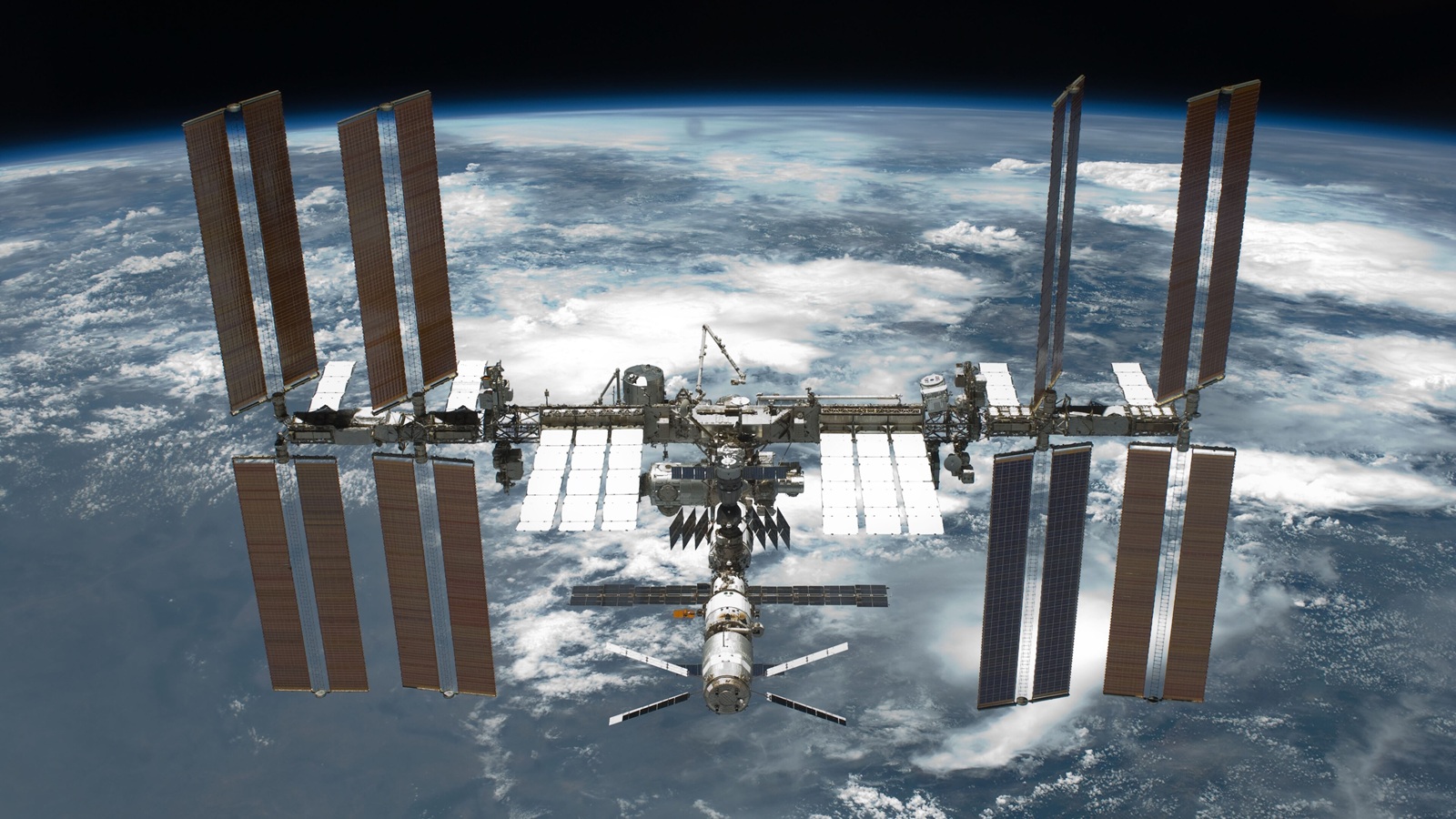
A Colombian scientist is instrumental in helping NASA track 25 years of research conducted aboard the International Space Station (ISS). The ISS, which has served as a platform for thousands of experiments and scientific publications, is regarded by NASA as “the most complex international collaboration ever undertaken,” uniting efforts from the United States, Russia, Canada, Japan, and European Space Agency countries.
Read More
Pilar Archila, originally from Cucuta and primarily raised in Bucaramanga, emigrated to Houston at a young age. She earned her doctorate in Cognitive Developmental Neuroscience before joining NASA's Johnson Space Center, where she now leads the Research Results team that tracks and disseminates the scientific output of the ISS.
Recently, Archila visited Bogota as a special guest at LIBERA 2026, a nonfiction book fair hosted by Universidad de los Andes. The event gathered scientists, astronomers, and authors to discuss ongoing explorations about the universe, showcasing Colombia's role in this global scientific initiative.
The ISS, located 400 kilometers above Earth, provides a unique microgravity environment that facilitates research in biology, physics, and human health. Since the arrival of its first crew in 2000, the station has hosted over 4,000 experiments, leading to significant discoveries that would be difficult or impossible to achieve under Earth's gravity. Research in microgravity has yielded insights into treatments for major health issues such as cancer, Alzheimer’s, and heart disease, benefiting millions who will remain on Earth.
For instance, growing protein crystals on the ISS has allowed for the formation of larger structures, ultimately supporting the development of new medications for various diseases. This underscores the ISS's contribution not just as a feat of engineering, but as a source of vital medical knowledge.
Archila specializes in bibliometric analysis, which involves examining and categorizing every scientific paper produced by ISS research to assess its impact. She tracks the number of publications from each expedition, identifies contributions from different countries, and organizes research into categories such as human studies, biology, and technology. Additionally, she supervises the station’s official annual report which details the ISS’s research output and highlights significant findings.
Archila’s academic journey began well before her work at NASA; she earned her doctorate at the University of Houston focused on children's cognitive development related to learning a second language, and completed postdoctoral studies in neuroanatomy at the Texas Medical Center before joining NASA in 2017. She also founded Neurolingo Space, a nonprofit dedicated to language and cognition research, amplifying her impact among Colombian women scientists in demanding research fields.