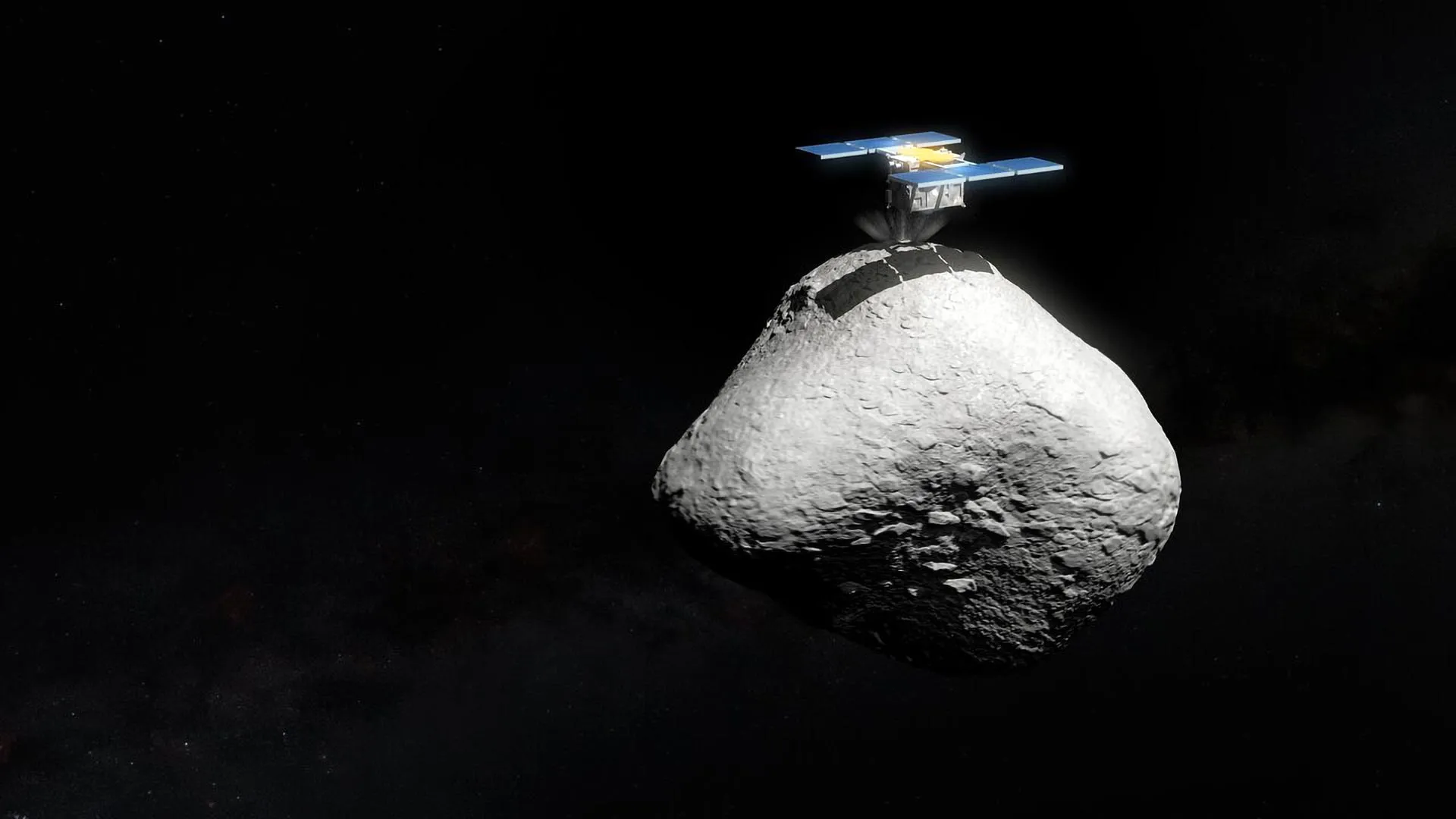
Recent observations of the asteroid 1998 KY26 reveal it is significantly smaller and rotates more rapidly than previously estimated. Using telescopes, including the European Southern Observatory's Very Large Telescope (ESO's VLT), a team of astronomers found the asteroid measures only 11 meters in diameter, nearly three times smaller than earlier figures of about 30 meters. The asteroid completes a rotation in roughly five minutes, compared to earlier estimates of ten minutes.
Read More
The updated findings are crucial as the asteroid is scheduled to be the target of Japan's Hayabusa2 extended mission in 2031. Toni Santana-Ros, an astronomer from the University of Alicante who led the research published in Nature Communications, stated, "The reality of the object is completely different from what it was previously described as." The new information will help mission planners prepare for the intricate operation of the spacecraft, which involves a brief surface touchdown.
Co-author Olivier Hainaut from ESO noted that the small size and fast rotation complicate the maneuver, making the mission more interesting yet challenging than originally anticipated. During its main mission in 2018, Hayabusa2 successfully returned samples from the much larger asteroid 162173 Ryugu, which has a diameter of 900 meters.
To observe 1998 KY26, the research team executed a strategic plan around the asteroid's proximity to Earth, utilizing some of the largest available ground-based telescopes. They determined that the asteroid likely has a bright, solid surface that may be a fragment of a larger celestial body, although the possibility of it being a collection of loose debris remains.
Santana-Ros emphasized the importance of the findings for future asteroid exploration and planetary defense, noting that the methods developed to study such small asteroids could be applied to identify and analyze potentially hazardous objects in the future, akin to the Chelyabinsk meteor of 2013, which was slightly larger than KY26. The research team consists of experts from various institutions, including Spain, Poland, Finland, the UK, and the USA.