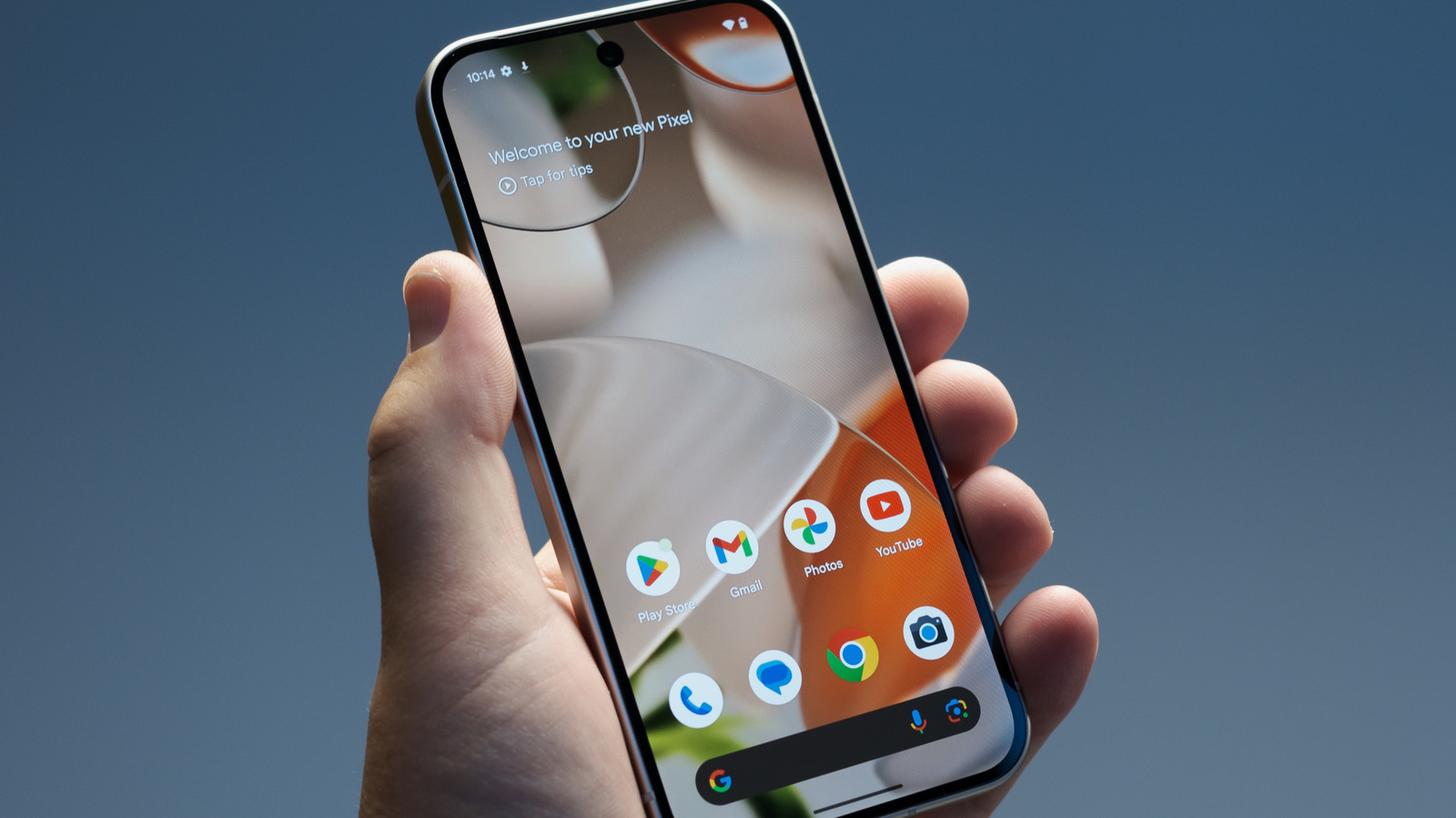
Android phones have a defined "end of life" date, indicating when they will stop receiving major updates and security patches. While many users may need to consider purchasing a new device to maintain access to the latest features and security enhancements, some models promise software support for up to seven years. However, older devices nearing their end-of-life can benefit from unofficial methods to extend their software viability, namely through LineageOS.
Read More
LineageOS, an alternative Android operating system, has been available for roughly a decade, evolving from its predecessor CyanogenMod, which dates back to 2009. This operating system allows users to run a customized version of Android that can prolong support beyond what manufacturers typically offer. Additionally, it enables users to reduce or completely eliminate Google apps that come preinstalled on various Android devices.
Installing LineageOS can also remove some AI features found in commercial Android versions, offering a streamlined experience that may enhance the device's overall performance.
Before proceeding with a LineageOS installation, users should be aware that different Android devices run distinct versions of the operating system, often customized by manufacturers like Google and Samsung. LineageOS is unique in that it is community-developed and not tied to any smartphone vendor, currently offering support up to Android 16.
Users interested in LineageOS should back up their data beforehand, as installation errors can lead to data loss and may render the device temporarily unusable. Users need to be cautious as the phone's camera app and other functions may encounter issues after installation. Such problems will not be covered by device manufacturers, and warranty disclaimers may apply.
Compatibility is critical when considering LineageOS; only devices with unlockable bootloaders can install custom operating systems. If a device’s bootloader is locked, it cannot accommodate LineageOS or similar alternatives. Interested users can refer to the official LineageOS Wiki, which lists supported devices and provides information on how to download and install the necessary files.
For example, while the Pixel 10 series is not currently supported, older models like the Pixel 4, previously supported by Google from Android 10 to 13, can be updated to Android 16 through LineageOS 23.2, thereby gaining access to newer features despite Google's discontinuation of support. In contrast, newer Pixel models since the Pixel 8 series will receive updates for seven years, potentially negating the need for LineageOS.