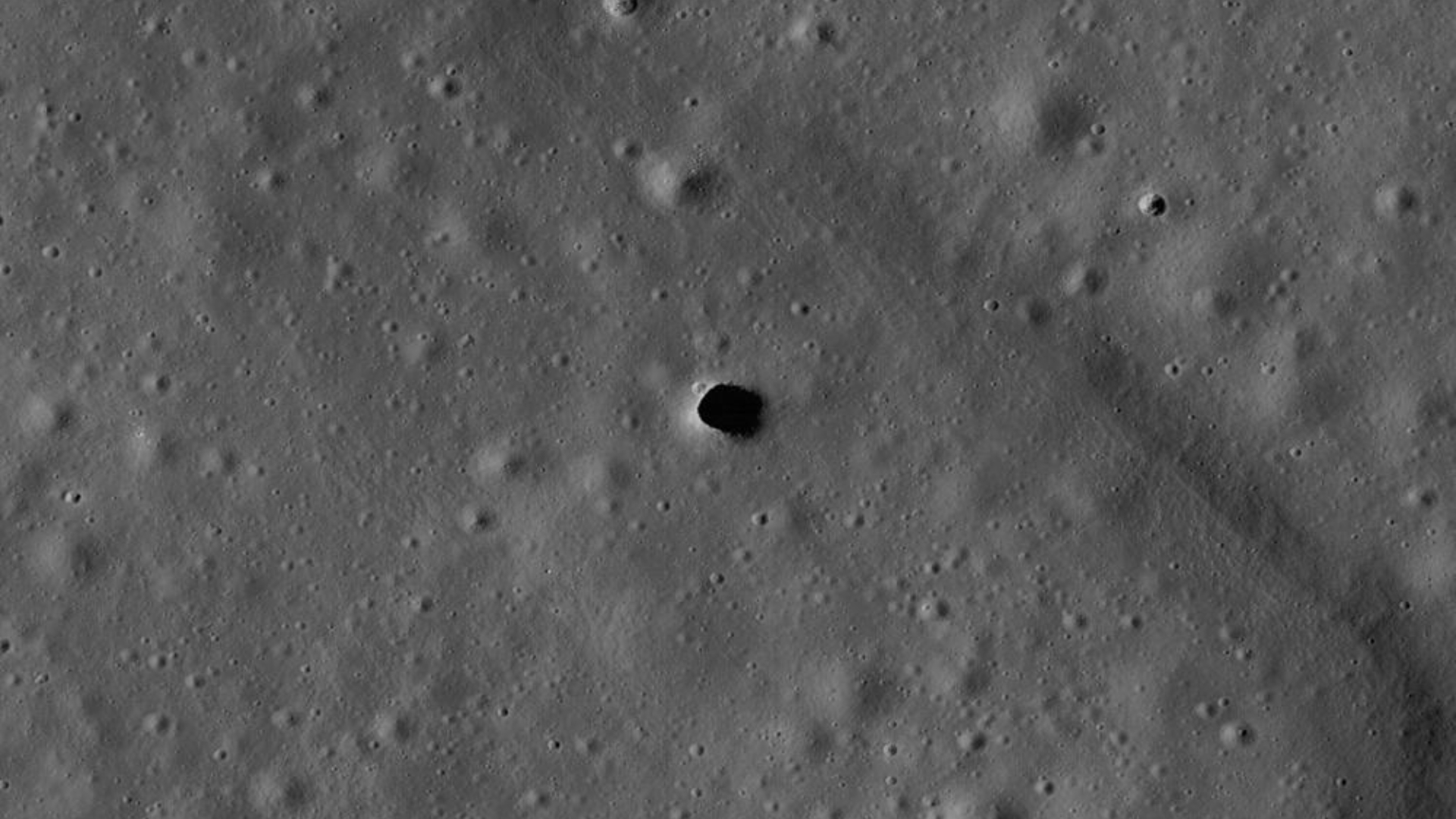
NASA has initiated a program titled GIMLI (Geophysical Instruments for Marius Lunar pit Investigation) to explore the possibility of underground caves on the moon. This effort aims to uncover the mysteries of the moon, particularly under the Marius Hills Pit, identified in 2009 by Japan's Kaguya moon orbiter. Researchers suspect that this pit might be connected to a larger underground lava tube formed by ancient volcanic activity.
Read More
Nicky Fox, NASA's associate administrator for the Science Mission Directorate, emphasized the importance of this research, stating that NASA is compiling vital information for future astronauts. Understanding lunar environments will help ensure safe survival on the moon, particularly in extreme conditions like temperature fluctuations and radiation exposure.
The scientific exploration is crucial not only for historical insights into lunar volcanism but also for potential shelter options for astronauts. Gareth Morgan, GIMLI's deputy principal investigator, noted that confirming the existence of a substantial lava tube could enhance our understanding of lunar geology, drawing parallels to similar features found on Earth.
GIMLI's work will involve using ground-penetrating radar, seismic sensors, and a gravimeter to scan beneath the lunar surface. The project is led by the nonprofit Planetary Science Institute and funded through NASA's Payloads and Research Investigations on the Surface of the Moon program. Collaboration with Honeybee Robotics is set to support the development of necessary equipment, which will be transported to the moon via NASA's Commercial Lunar Payloads Services program. Data collected will be analyzed by a team from PSI, which includes a partnership with the Norwegian Space Agency.
The results could provide insights into the dimensions and potential use of these subsurface features, possibly serving as natural shelters for future lunar missions.