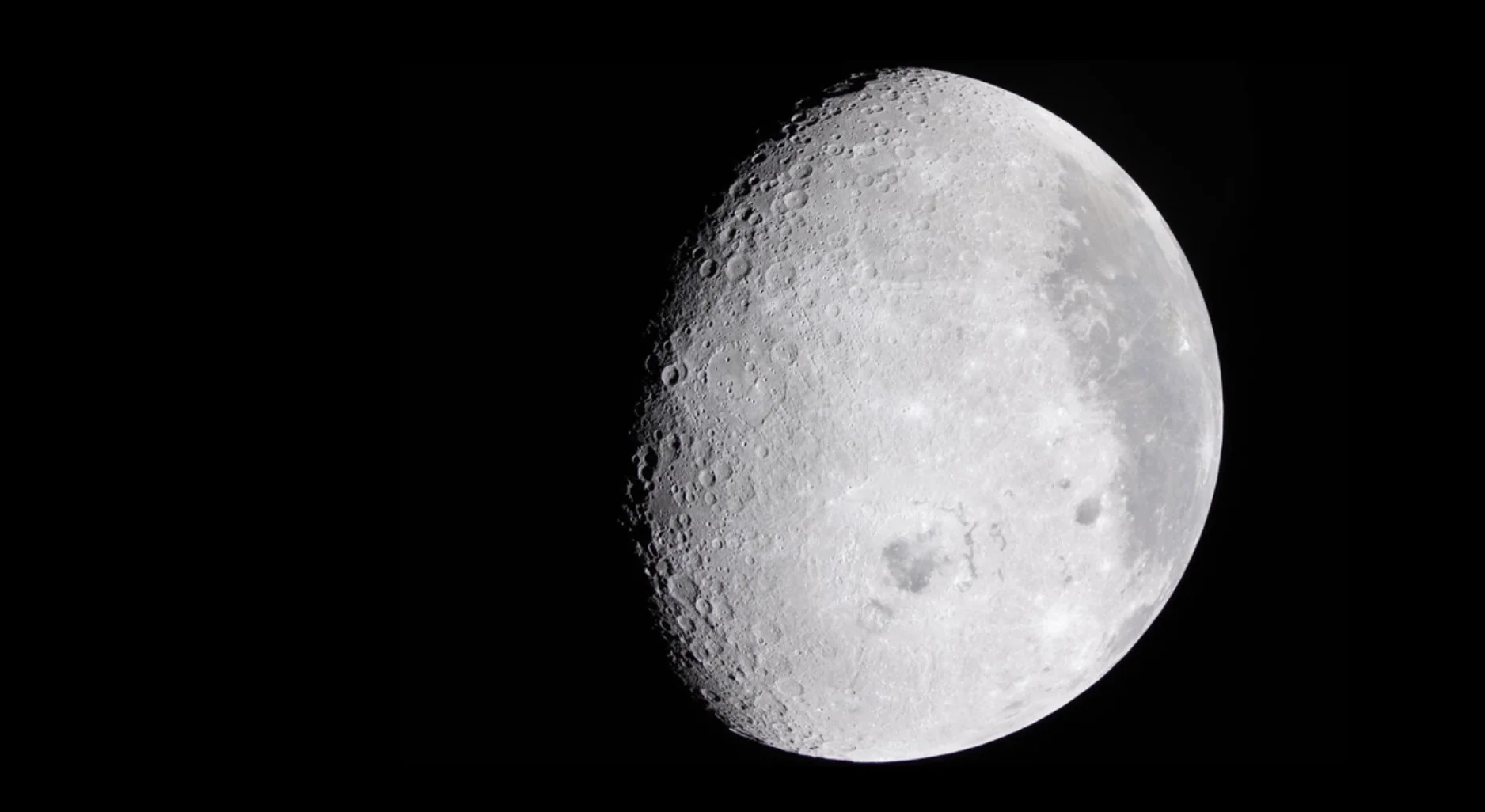
NASA and IBM have announced the release of the NASA-IBM Lunar Foundation Model, marking one of the first open-source foundation models designed for scientific exploration of the Moon. This model is trained on an extensive dataset of lunar observations collected over decades, enabling scientists to derive insights from complex, multi-instrument data which supports the establishment of a sustained human presence on the Moon.
Read More
The Moon’s topography is constantly changing, with its surface characterized by craters, ice distribution, and historical volcanic activity. Sensors and instruments have provided petabytes of data, but traditional methods of analyzing this information, such as manual examination of maps or using low-resolution machine learning models, can be both inefficient and imprecise. The newly released model aims to streamline scientific research by uncovering hidden relationships in various types and resolutions of lunar data.
Researchers can utilize the NASA-IBM Lunar Foundation Model for a variety of lunar phenomena, including:
1. **Potential Lunar Ice Deposits**: Observations of permanently shadowed regions, which might conceal lunar ice, are challenging. The model integrates multimodal and multi-resolution data to predict potential ice locations. Research indicates the model can reduce error in identifying such areas by up to 22% compared to the SwinV2-B (ImageNet) model.
2. **Volcanic History**: Scientists study volcanic features, known as Irregular Mare Patches, to understand the Moon's volcanic past and thermal evolution. By employing imperfect labels, the model has demonstrated a 3% improvement in capturing the extent of these features compared to the SwinV2-B, enhancing accuracy and efficiency.
3. **Crater Detection**: Craters serve as critical indicators of the Moon's geological history and help in identifying safe landing spots for future missions. The NASA-IBM model allows researchers to classify craters with a meter-scale resolution, achieving accuracy comparable to top models while requiring less fine-tuning and training data. At a context-scale resolution of approximately 100 meters, it outperforms SwinV2-B by nearly 19% with only half the training data.
Kevin Murphy, NASA's chief science data officer, emphasized the importance of making vast datasets more accessible for scientific study. According to him, the model exemplifies the potential of AI to turn large-scale data into significant discoveries.
Juan Bernabe-Moreno, Director of IBM Research Europe, noted that the model equips researchers to analyze the Moon in detail, connecting observations that may otherwise remain isolated.
Alongside the model's release, IBM and NASA developed the first open-source lunar dataset, integrating over 30 layers from nine instruments across four missions. This dataset combines tens of thousands of lunar images and maps, offering a comprehensive view of the Moon's surface and subsurface properties.
This collaboration continues the longstanding partnership between IBM and NASA, aimed at transforming scientific data into accessible resources for researchers. By making the model open-source, they provide scientists with advanced AI tools to enhance lunar exploration. This initiative is part of a broader effort expanding open foundation models in various scientific fields.