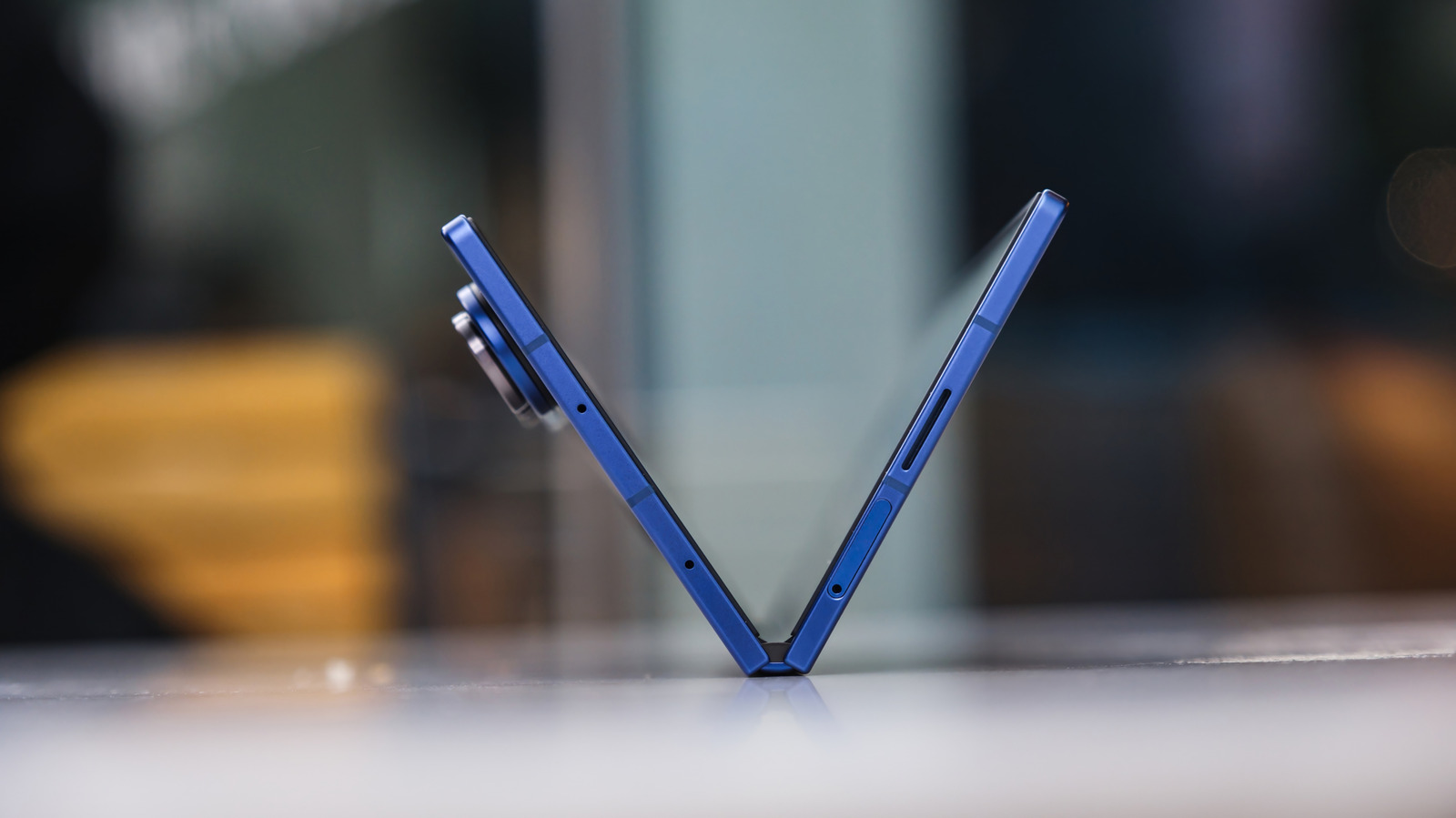
Modern foldable phones are generally durable, but adopting some simple habits can help prevent hinge issues that may lead to costly repairs.
Read More
Durability can vary widely among foldable devices. For example, the Galaxy Z Fold4 I used for nearly three years survived regular wear and tear, while my mom's Z Fold6 experienced a failure in its inner display after just one year. Although debris around the hinge might have contributed to the problem, the exact cause was never confirmed.
It's important not to view a manufacturer's fold-count rating as a definitive lifespan for the device. Modern hinges are designed to endure years of normal usage; for example, Google claims that the Pixel 10 Pro Fold's gearless hinge can withstand over a decade of folding. The goal is not to limit how often you fold the device but to avoid overworking a complex mechanism.
To maintain the hinge, keep dirt and debris away. It is essential to ensure that nothing is lodged between the displays before closing the phone and to avoid forcing the hinge in an undesired direction. Samsung recommends clearing foreign objects before closing its foldables and avoiding excessive pressure on the inner display, particularly for the Galaxy Z Fold8 and Z Flip8, which carry an IP48 rating. This means they are not dustproof and can still be vulnerable to small particles.
Motorola has been straightforward about the effects of dust on the lifespan of hinges, advising users to check for debris before closing and not to use pressurized air on the display. Most foldables, like the Pixel 10 Pro Fold, are capable of handling everyday tasks while closed, reducing the need to frequently open and close them. Recent models, such as the Razr+ 2026, can even run full applications on their small external displays without needing to be unfolded.
While the durability claims associated with foldable devices are reassuring, they are based on laboratory tests and should not be mistaken for a guarantee against failure. For instance, the OLED panel in the Galaxy Z Fold7 maintained functionality after 500,000 folds during a Bureau Veritas test. This figure translates to over ten years of usage if the device is folded around 100 times daily.
However, this testing focused on the foldable OLED panel alone, and Samsung Display did not assert that other hinge components or flex cables would last for the same number of cycles. Real-world usage is harsher; foldables endure drops, dust exposure, temperature changes, and occasional water contact. Therefore, a device might begin to show problems long before reaching its maximum fold count, even if the hinge remains intact.
Paying attention to how the phone feels can be a more useful maintenance strategy. Some noise from the hinge is normal, but any difficulty in movement, abnormal opening, or new grinding sounds should not be ignored. Overlooking these signs can lead to expensive repairs; for example, Samsung lists the replacement cost for a Galaxy Z Fold8 inner-screen module at $579.