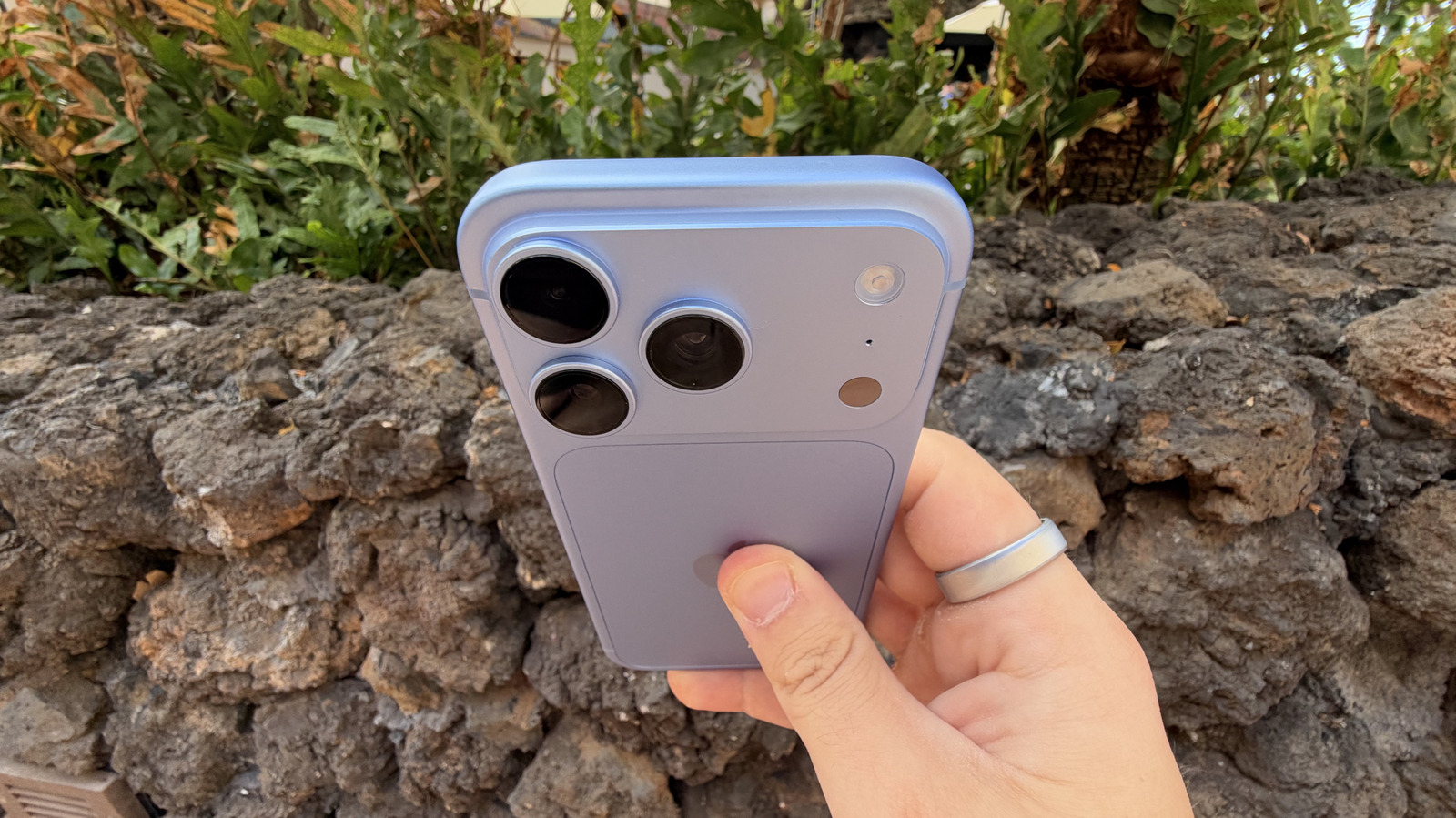
The iPhone 18 Pro, Apple's flagship smartphone for 2026, starts at $1,199, reflecting a $100 increase over its predecessor, the iPhone 17 Pro. The larger model, iPhone 18 Pro Max, has a starting price of $1,299. After testing both a 512 GB iPhone 18 Pro in Glacier and a 512 GB iPhone 18 Pro Max in Burgundy for a week, I have reassessed my recommendation, especially for users of older models like the iPhone 16 Pro. While upgrades from the 17 Pro may not be necessary, the enhancements may appeal to those coming from earlier models.
Read More
Visually, the iPhone 18 Pro retains a similar design to the previous model, with new color options including Glacier, Black, Silver, and Burgundy. The Glacier color features a cool blue tone that may appear white under certain lighting. The iPhone 18 Pro weighs 211g, slightly heavier than the previous model's 206g, while the Pro Max weighs 249g. Both devices are rated IP68 for water and dust resistance, and the newer models feel less slippery compared to the 17 Pro.
The display remains unchanged at 6.3 inches for the iPhone 18 Pro, while the Pro Max measures 6.9 inches. Both feature a 2,622 x 1,206 resolution with ProMotion technology supporting refresh rates up to 120 Hz and a peak brightness of 3,000 nits. Upgrades include a reduced reflection coating for improved visibility outdoors.
One notable change is the smaller Dynamic Island, which now houses the infrared camera for Face ID, improving screen real estate. Face ID performance remained largely consistent, although there were instances where it failed in low light. The new Dynamic Island can display up to three live activities at once.
Performance is powered by the new A20 Pro chipset, built on a 2nm process. It boasts significant improvements in single-core performance, achieving scores of 4,735 on Geekbench's single-core test and 12,545 on the multi-core test, competing well against Qualcomm’s Snapdragon 8 Elite Extreme Gen 6. General performance showed no app reloading or stuttering during demanding tasks.
Battery life is rated for up to 36 hours of video playback on the iPhone 18 Pro and 45 hours on the Pro Max. In practical usage, the iPhone 18 Pro performed well, lasting about 7-8 hours with varied activities. Charging capabilities allow both models to reach 50% in about 15 minutes using a compatible adapter.
Camera capabilities are a major highlight of the iPhone 18 Pro, featuring 48MP for all three rear cameras. The main camera introduces a variable aperture, which enhances low-light photography, allowing for more light intake and reducing noise. While daylight photo quality is similar to the 17 Pro, low-light shots display noticeable improvements. The camera app also introduces new manual controls, enabling users to adjust settings like aperture and shutter speed.
iOS 27, pre-installed on the iPhone 18 Pro, includes enhanced AI functionalities in Siri, which has shown improved responsiveness. Transitioning from the 17 Pro to the 18 Pro was smooth, with quick data transfer times.
Despite its advancements, whether the iPhone 18 Pro warrants an upgrade from the 17 Pro largely depends on individual needs, particularly for users deeply engaged in photography or who require extended battery life. Competing models like the Pixel 11 Pro XL and the Samsung Galaxy S26 Ultra offer strong alternatives at comparable price points.