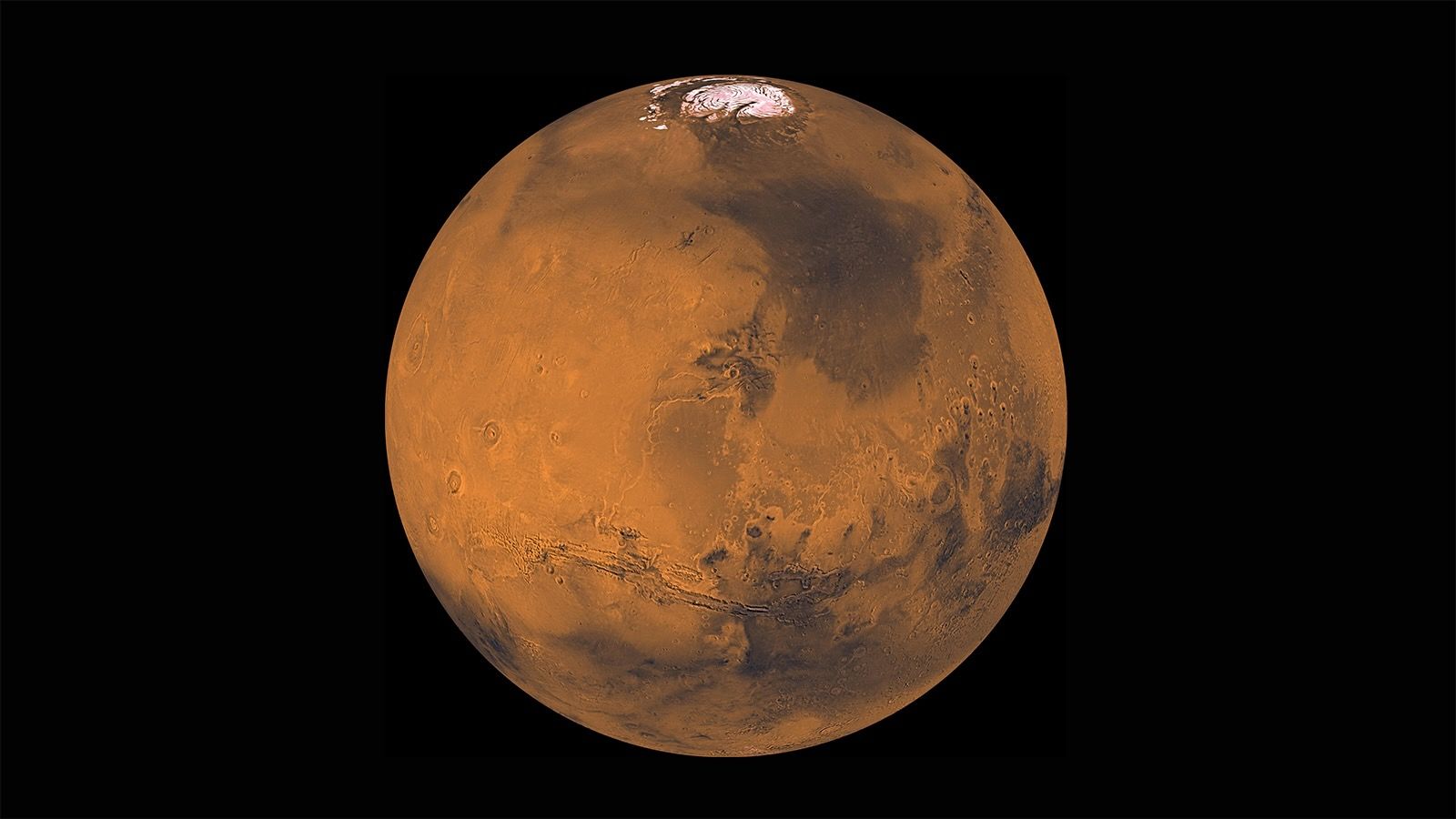
Scientists at Pioneer Labs, a nonprofit biotechnology startup in Emeryville, California, have created a genetically engineered microbe that could facilitate human settlement on Mars. Since the first robotic mission to Mars in 1960, space agencies have aimed for crewed flights to the planet, which would ideally leverage Martian resources for life support and construction, rather than relying on supplies from Earth.
Read More
The concept of terraforming Mars—transforming its inhospitable environment to sustain life—faces significant challenges. The Martian surface contains toxic substances, such as perchlorate, which complicate the growth of Earth-based life forms. Traditional approaches for cultivating plants on Mars have involved removing these toxins, bringing fertilizers from Earth, or utilizing hydroponics; however, Pioneer Labs indicates these methods may not be practical for scaling up.
Erika DeBenedictis, CEO of Pioneer Labs, stated that their newly developed microbe, referred to as sPL.001, can thrive on versions of Martian materials without requiring cues like toxin removal or fertilizer. This microbe is capable of generating bioplastics, materials essential for constructing habitats. DeBenedictis emphasized that Mars has abundant raw materials suitable for life, distinguishing it from other celestial bodies like the Moon, which lacks such nutrients.
In their research, scientists exposed Earth microbes to progressively Mars-like conditions and eventually succeeded in evolving them to tolerate toxins present in Martian soil. A heated, stirred bioreactor is necessary for the microbe's survival, alongside a processed form of air enriched with nitrogen—an essential nutrient that normal Martian air does not provide in sufficient quantity.
The research ensures the microbe cannot survive if exposed to the Martian environment, aiming to mitigate the risk of biological contamination. Samuel McKee, a DNA repair scientist at the University of Reading, noted that many genetically modified organisms on Earth can't exist outside controlled environments.
The findings suggest that the resources needed to construct a city on Mars could be compacted into a single rocket launch, although DeBenedictis acknowledged that simulating Martian conditions in a lab does not fully replicate the actual environment. The implications of this research may extend beyond Mars, potentially aiding in climate change mitigation on Earth through the use of gene editing and microbe applications. Researchers and experts are eager to see how these microbes perform when tested on Martian soil.