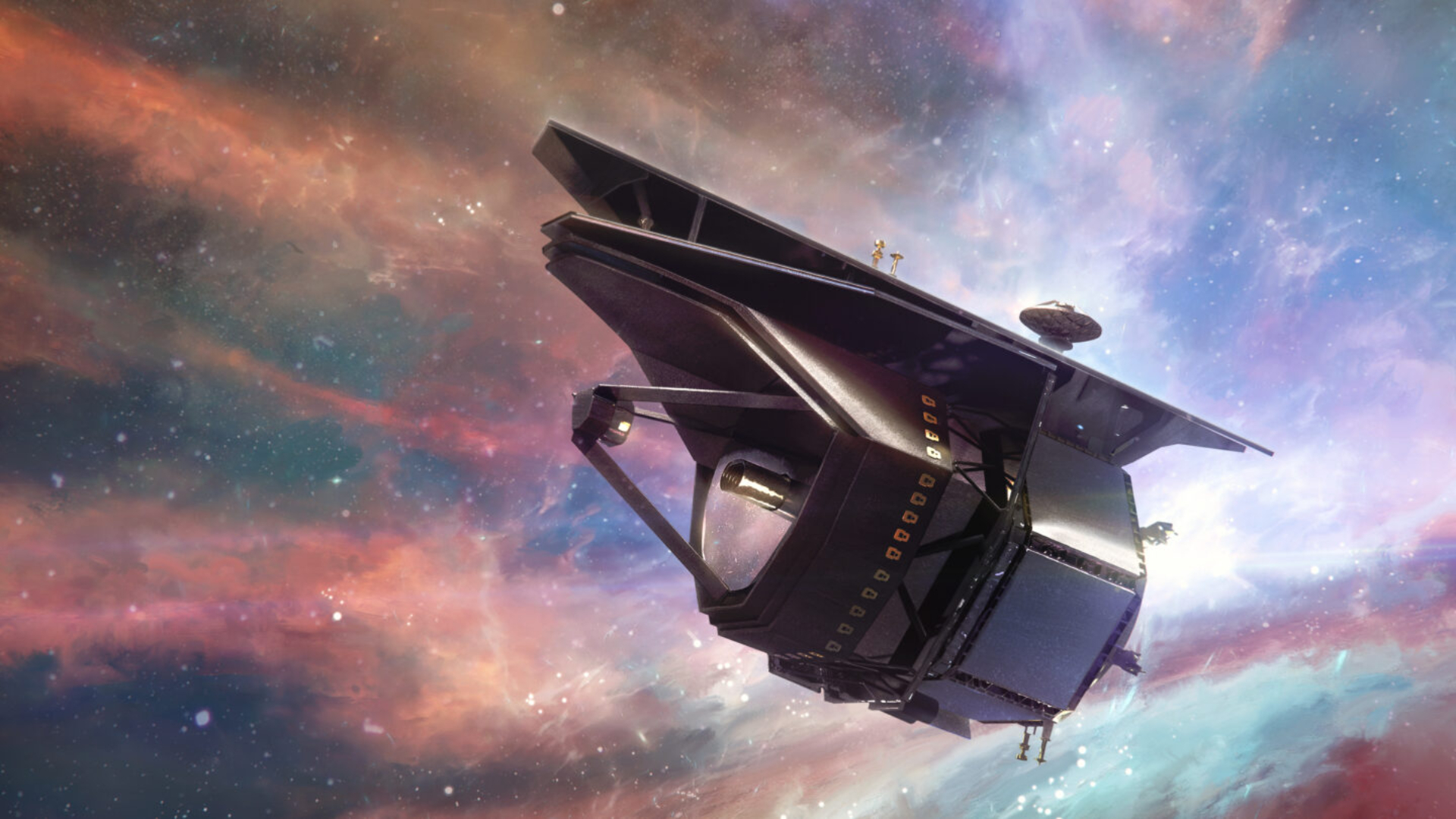
NASA has selected the PRIMA (Probe far-Infrared Mission for Astrophysics) mission to advance into Phase B of its development, as announced last week. This phase involves further design and technology development before undergoing a confirmation review. Once confirmed, PRIMA will mark a new frontier for the agency, focusing on far-infrared surveys of the universe as part of the "Probe Explorers" class.
Read More
Nicky Fox, associate administrator for NASA's Science Mission Directorate, stated that the PRIMA mission represents humanity’s next opportunity to explore the deep universe. It aims to unveil the mysteries of cosmic history, contributing to our understanding of the formation of planets, stars, black holes, and the origins of water on Earth.
NASA categorizes its missions based on size, scope, and cost. The agency has conducted a variety of missions since launching Explorer 1, the first U.S. satellite to achieve orbit in 1958. PRIMA is a direct result of recommendations from the 2020 Decadal Survey for Astronomy and Astrophysics, which outlines scientific goals for the next decade.
PRIMA is designed to address gaps in infrared observations that exist alongside the near and mid-infrared studies conducted by the James Webb Space Telescope. The mission will deploy a telescope measuring 5.9 feet (1.8 meters) optimized for far-infrared capabilities. By including far-infrared wavelengths, scientists aim to study everything from exoplanets to galaxies and black holes, tracing the evolution of dust, gas, and debris across the universe.
Shawn Domagal-Goldman, director of NASA's Astrophysics Division, remarked that while a single mission cannot solve all cosmic mysteries, expanding survey capabilities with PRIMA will facilitate a more comprehensive exploration of the universe. He noted that with the Webb and Roman space telescopes, NASA aims to maintain a consistent schedule for launching premier missions throughout the decade, starting with PRIMA, which is projected to launch in 2033 and operate for at least five years. The mission is estimated to cost $1.2 billion and will be managed by NASA's Jet Propulsion Laboratory in Southern California.