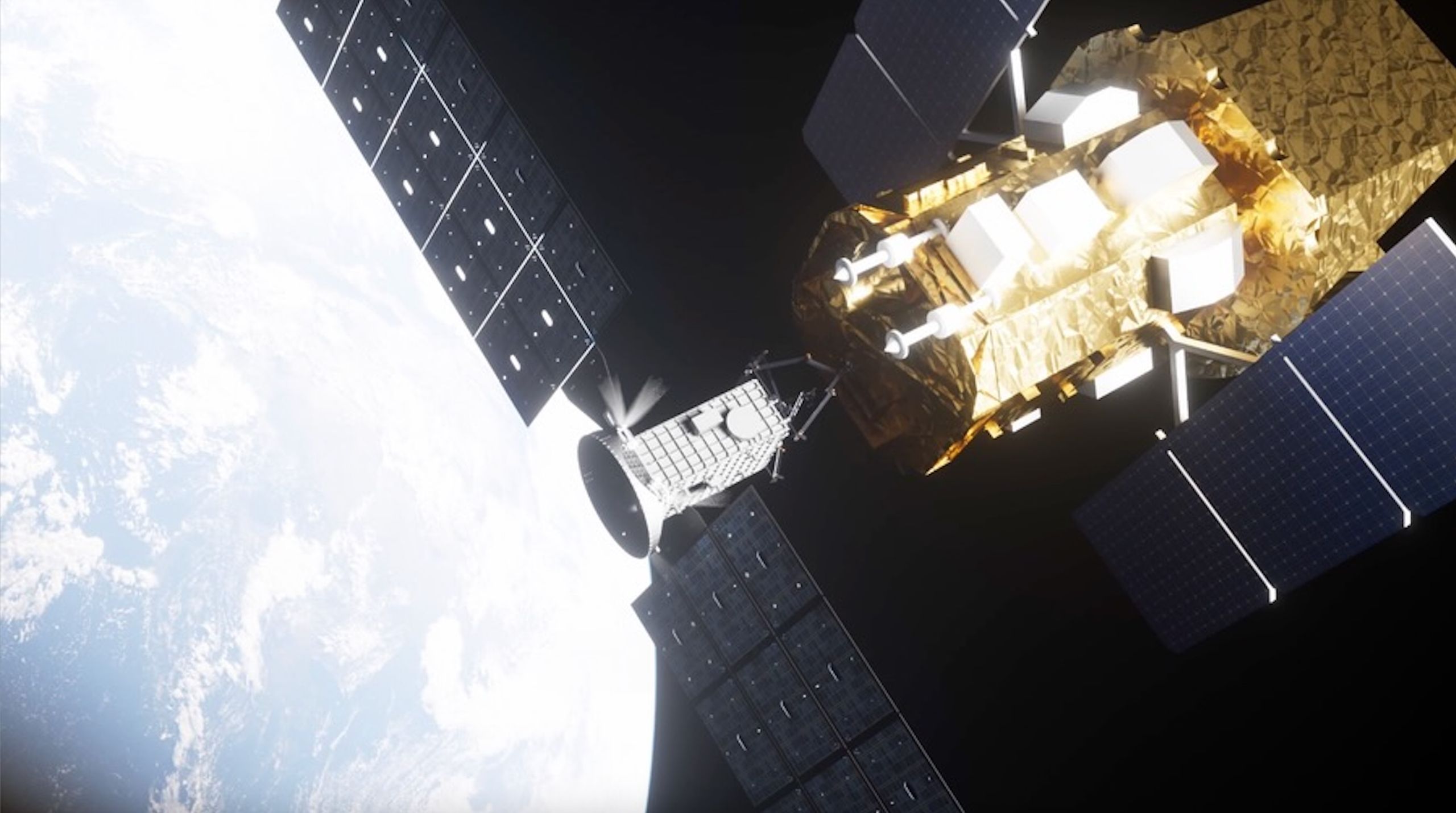
NASA has officially called off efforts to rescue its Neil Gehrels Swift Observatory due to complications faced by a private spacecraft intended for the task. The LINK spacecraft, developed by Katalyst Space Technologies, launched on July 3 aboard a Northrop Grumman Pegasus XL rocket. It was designed to rendezvous with Swift to raise it to a more stable orbit but encountered issues with uncontrolled spinning three weeks post-launch.
Read More
On August 19, NASA announced the termination of LINK's attempts to boost Swift's orbit, citing ongoing attitude control problems. However, the agency has not canceled the Swift Boost mission entirely. LINK will still aim to rendezvous with Swift to practice close-proximity operations and demonstrate its capabilities, which may benefit future satellite servicing missions.
The Swift Boost mission was always considered ambitious. By the time NASA awarded Katalyst a $30 million contract in 2025, increased solar activity had begun accelerating the decay of Swift's orbit, providing the company with less than a year to design, manufacture, and test LINK before the opportunity to save Swift closed.
NASA Administrator Jared Isaacman remarked, "This is not the outcome we were working toward, but it does not change why this mission was worth attempting. The team moved with extraordinary speed to give Swift a chance to carry out more science."
Swift, known for its unique capabilities in studying high-energy astronomical events, detects gamma-ray bursts and quickly shifts its instruments to observe them in various wavelengths. With LINK unable to assist in boosting Swift's orbit, NASA estimates the observatory may re-enter Earth's atmosphere uncontrollably before the end of the year. Post-mission, NASA plans to prioritize finding alternative methods to respond to cosmic events using existing missions as interim solutions.
Katalyst continues to collaborate with NASA as the Swift Boost mission transitions to its next phase, assessing logistics for LINK's rendezvous and maneuvering in Swift's vicinity, which will yield data for future satellite servicing.