As consumers face rising inflation, the market for budget and midrange smartphones is shrinking, despite the increased need for affordable options. Higher component costs, especially for memory chips, are challenging manufacturers to maintain a sustainable low-margin business model. This shift has led many consumers to seek repairs and secondhand devices instead.
Read More
Recent reports indicate that prices for budget smartphones are on the rise. Apple's entry-level iPhone 17e saw a price hike of 16.1 percent, increasing from 990,000 won ($726) to 1.15 million won. This change coincided with the launch of the new iPhone 18 series, which entered the market at significantly higher prices due to ongoing chip shortages.
Similarly, Samsung Electronics has increased the cost of its Galaxy A series, with the newly released Galaxy A37 priced at 598,400 won, a 19.8 percent increase from last year's model. Price sensitivity among consumers is prompting a decline in budget and midrange smartphone sales.
Market research firm IDC projected an average smartphone selling price increase of 27.6 percent this year while shipments could see a drop of 16.7 percent due to these trends. The report noted that Android manufacturers focused on low-end devices, already operating on tight margins, are eliminating these models in favor of more premium options.
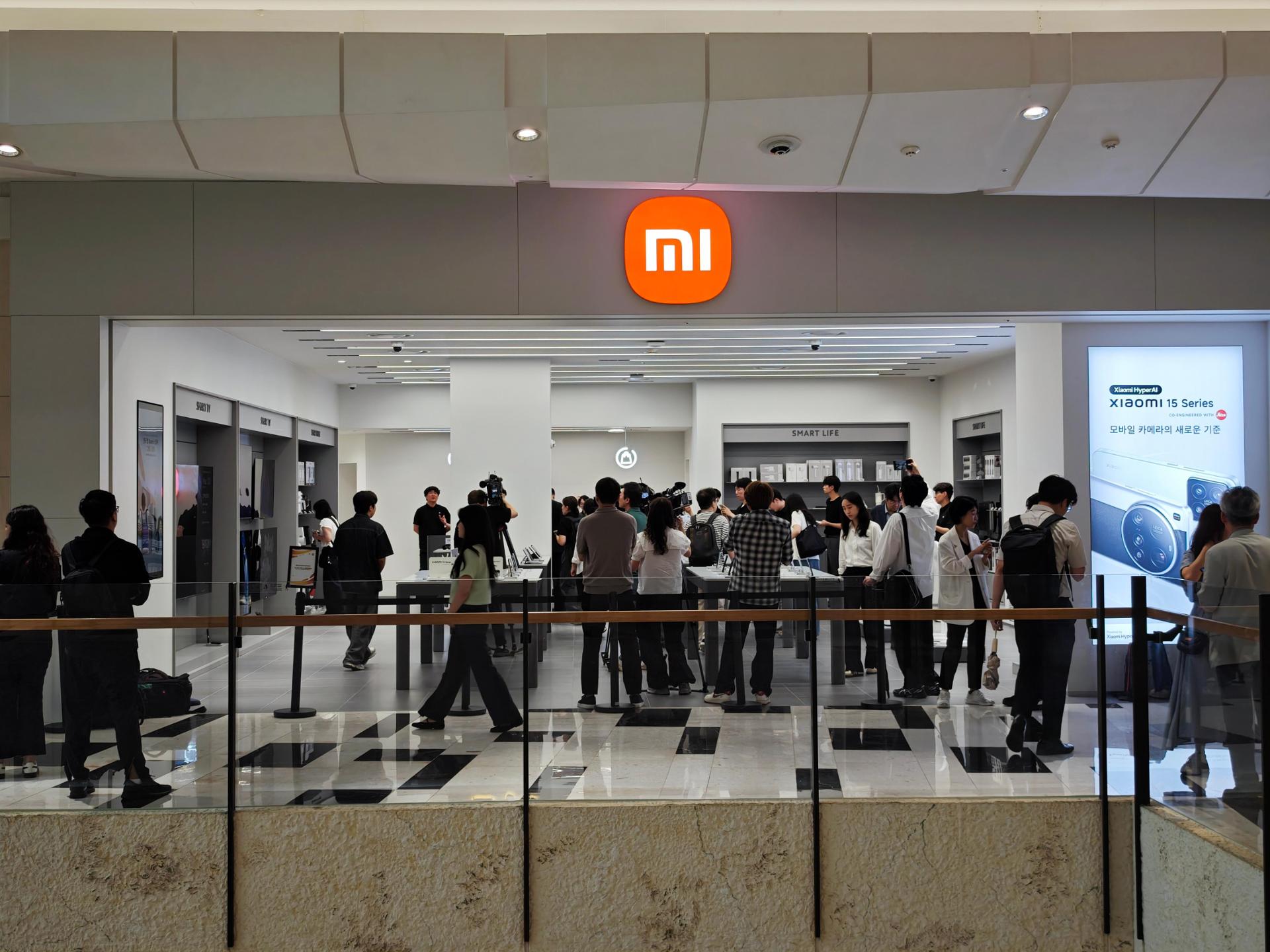
Chinese smartphone manufacturers have been particularly affected, with Xiaomi's shipments down 26 percent and Vivo's declining by 21 percent in the second quarter compared to the previous year.
Manufacturers are now turning to foldable smartphones in an effort to revitalize their market share, with IDC predicting a 12.6 percent growth for foldables this year. Companies such as Apple and Huawei are now competing to develop these premium devices, which are seen as less sensitive to price fluctuations.
At the same time, consumers are increasingly looking to repair existing devices or purchase secondhand models as a budget-friendly alternative. This shift is partially mitigating the downturn in smartphone sales, with market research firm TrendForce estimating a smaller decline of 2.5 percent in global smartphone panel shipments for the year, fueled by ongoing demand for repair services and secondhand devices.
This article is based on reporting from the Hankook Ilbo, a sister publication of The Korea Times.