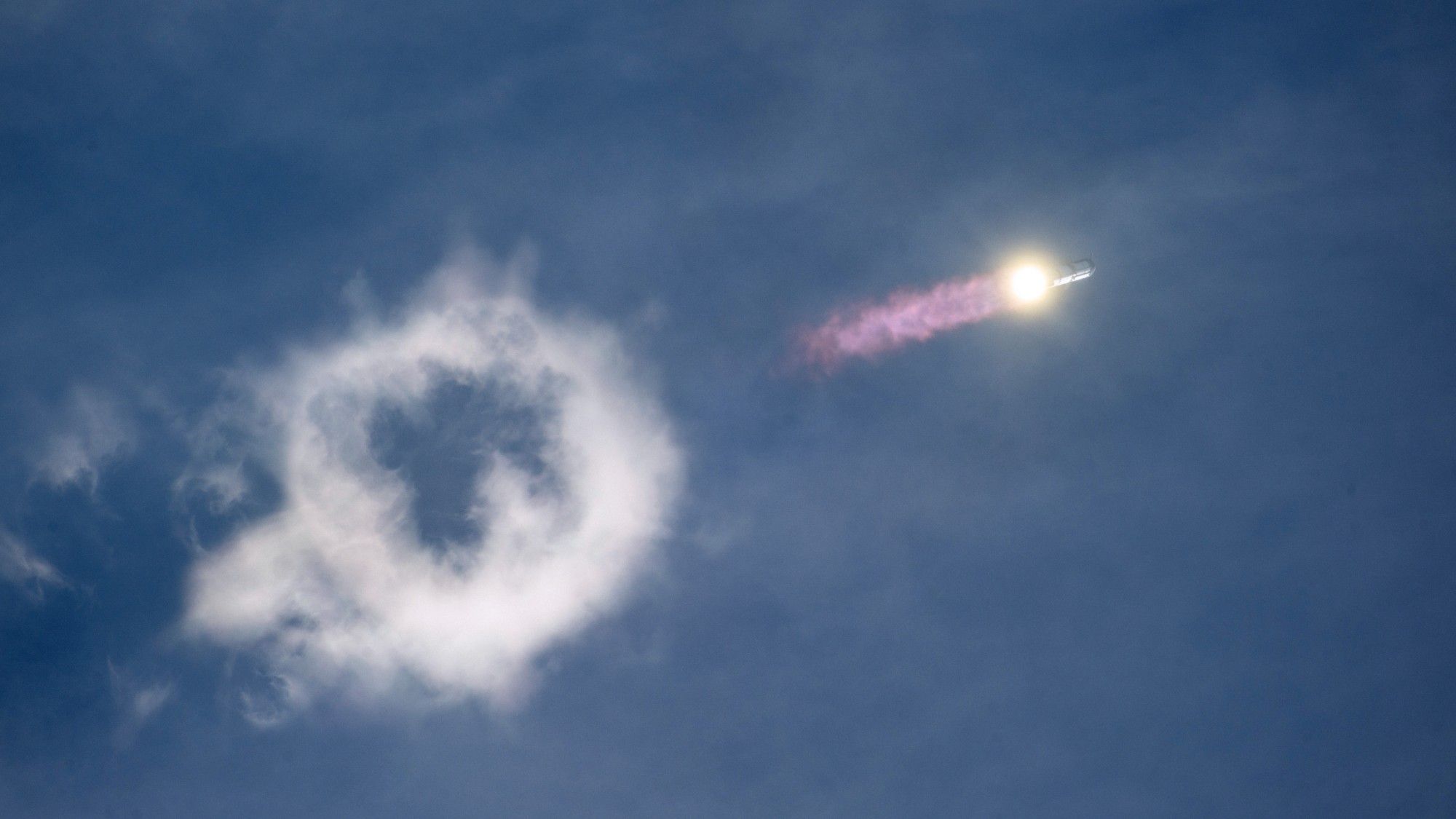
World Space Week (WSW) 2026 will take place from October 4 to October 10, 2026, focusing on the theme "Rocket Revolution," which underscores the recent advancements in space exploration technologies and the burgeoning commercial space sector. This global event aims to engage space agencies, educators, students, and enthusiasts through various activities worldwide.
Read More
WSW is celebrated annually to mark significant milestones in space history, including the launch of Sputnik 1 on October 4, 1957, the first artificial satellite in orbit, and the signing of the Outer Space Treaty on October 10, 1967, which set principles for peaceful space exploration. The United Nations General Assembly established WSW as an annual observance in 1999.
Dennis Stone, president of the WSW Association, noted that the theme highlights how improved access to space and decreasing launch costs are energizing the space ecosystem and inspiring interest in science, technology, engineering, and mathematics (STEM).
The traditional model of space travel, which required extensive hardware and infrastructure with single-use rockets, is shifting. Reusable rockets have shown that sections of a launch vehicle can be recovered for future flights. A growing number of commercial ventures and countries are exploring new methods for delivering satellites and other payloads into orbit, indicating broader participation in the space industry.
Recent developments include SpaceX's Starship, which achieved orbit for the first time on September 28, 2026, successfully deploying 26 Starlink V3 satellites, though the mission ended early due to an engine issue. This increasing access supports a diverse range of applications for satellites, which are pivotal in communications, navigation, weather data collection, and environmental monitoring.
As part of WSW 2026's activities, educational resources will be available, including a Rocket Revolution Toolkit, created in partnership with Estes Education, aimed at engaging students in rocket science and engineering. Events are planned across 100 nations, featuring talks, exhibitions, movie nights, and hands-on STEM projects.
Notable activities include a space-themed exhibition by the European Space Agency and The Pokémon Company International, as well as a WSW Expo at the Kennedy Space Center Visitor Complex on October 9, which will include collaborations with NASA and industry partners. Students and rocket clubs will take part in launching model rockets with equipment provided by United Launch Alliance and Estes.
Additionally, for those unable to attend organized events, the week offers several celestial occurrences to observe, including Saturn's opposition on October 4, the moon's proximity to Mars on October 5, and peak visibility of the Draconid meteor shower around October 8-9.
World Space Week encourages public participation in celebrating the advancements in space technology, which do not necessarily require access to launchpads or telescopes.