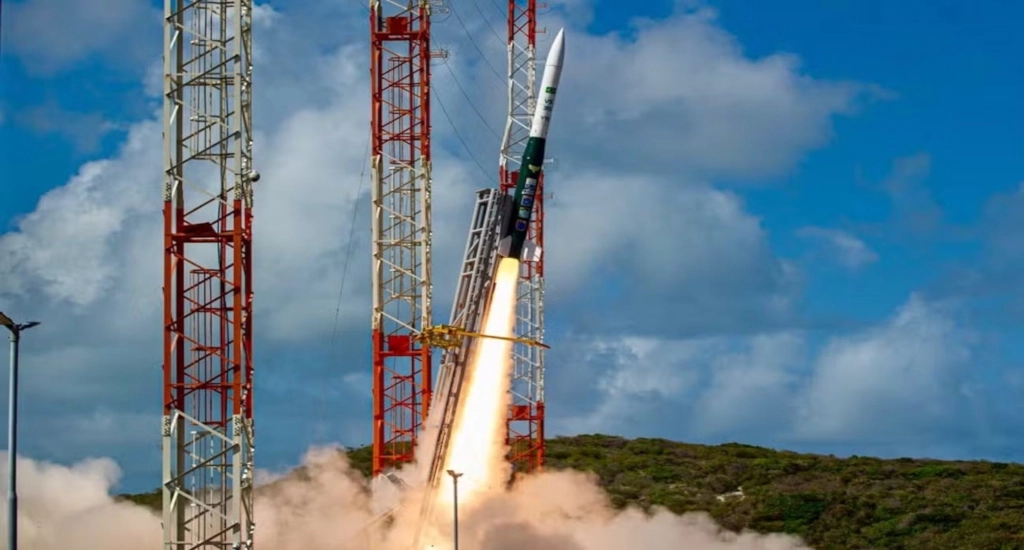
On September 15, 2026, Brazil successfully launched the VS-30 V16 rocket from the Barreira do Inferno spaceport in Parnamirim. This rocket is equipped with a suborbital microgravity platform designed to perform scientific experiments in near-weightless conditions.
Read More
The mission aims for the rocket to reach an altitude exceeding 100 kilometers, where the platform will conduct a variety of experiments focusing on biological materials, physical processes, and new materials.
Following the experiments, the platform will detach from the rocket and initiate its return to Earth. Unlike satellites, it will re-enter the atmosphere, deploy a parachute, and is expected to land in the Atlantic Ocean. Brazilian specialists will subsequently recover the platform from the water for further analysis.
In addition to the microgravity platform, the rocket is carrying experimental modules, flight control equipment, and a cold gas propulsion system. To stabilize the rocket’s rotation prior to the platform's separation, a device known as the “yo-yo” system is utilized. This system uses small weights that spin on cables, altering the moment of inertia and reducing the rocket’s rotational speed.