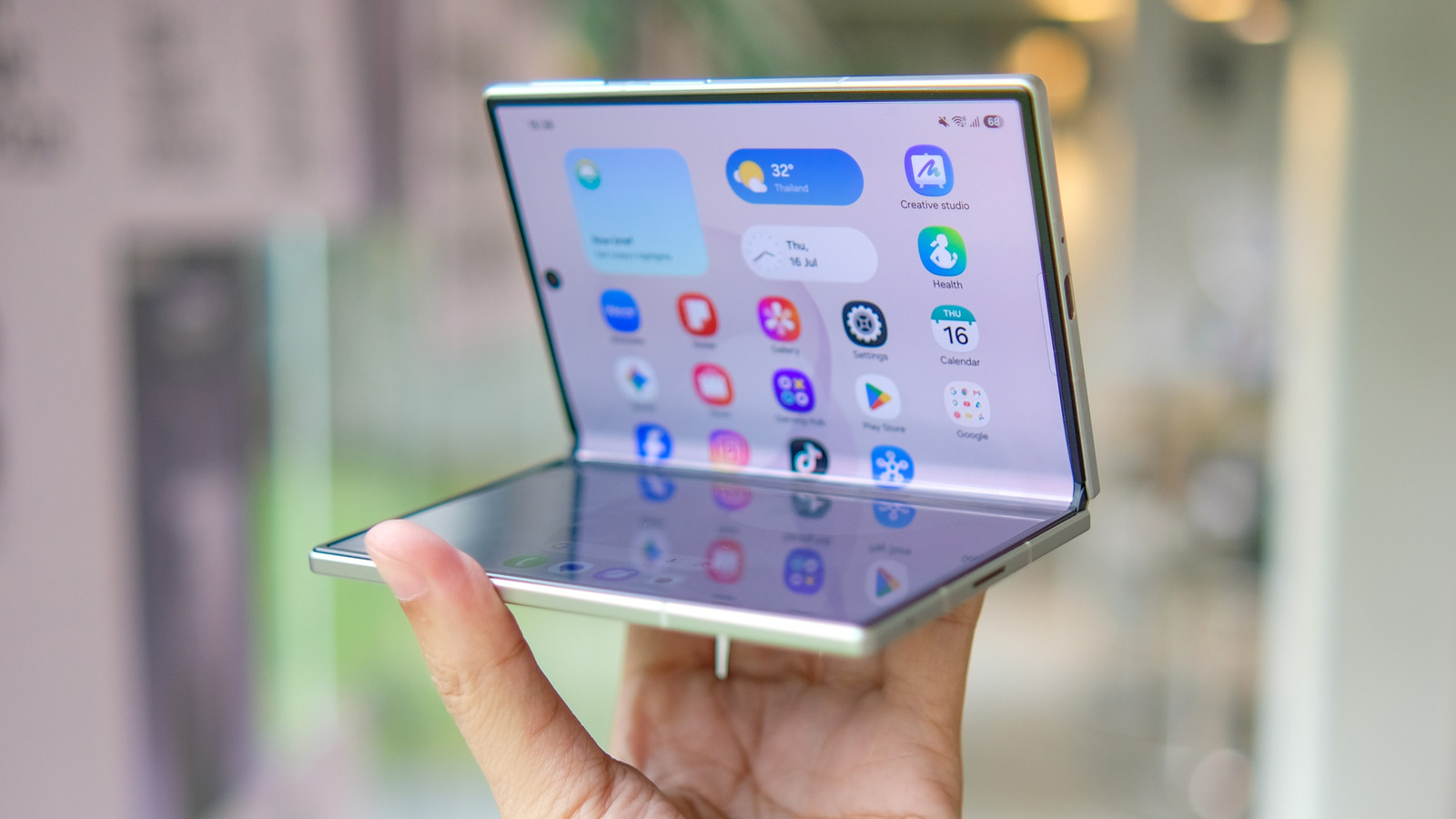
Foldable phones are gaining attention as major manufacturers like Apple, Google, and Samsung enter the market. Although this category makes up around 2 percent of the smartphone market, consumer interest is growing as people weigh the features against the typically higher price tags, often exceeding $2,000.
Read More
Pros of Foldable Phones
One notable advantage of foldable phones is their unique ‘Wow’ factor. The ability to fold the device and the satisfying click when closed draws users in, with 59 percent of smartphone owners expressing interest in these models despite concerns about durability and cost.
With display sizes reaching up to 8 inches, foldable phones offer larger screens while remaining portable. This larger display supports activities such as browsing, video streaming, and productivity tasks.
Manufacturers are enhancing operating systems for better multitasking capabilities, allowing multiple apps to run side by side. Developers are also improving their applications to make better use of these innovative platforms.
The versatility of foldable phones is another significant advantage. Users can utilize them as traditional phones, transform them into mini-tablets, or even set them up at various angles for photography and video calls.
Cons of Foldable Phones
Despite their advantages, there are several drawbacks to consider. For instance, no existing model can withstand unlimited folding, and older versions may show visible creases that interfere with app usage. Foldable displays tend to be more susceptible to scratches due to their materials.
Moreover, the intricate hinge mechanisms can accumulate dust, which may affect functionality. The Ingress Protection (IP) ratings help assess a device's resilience, with higher numbers indicating better protection.
Weight and bulk also remain concerns. The most popular foldable phones weigh over 200 grams partly due to the larger batteries required. Additionally, many foldable devices compromise on camera technology to achieve a slimmer design, resulting in less advanced cameras compared to top-tier smartphones.
Many apps are still being optimized, and some may not transition smoothly between displays. Users who rely on specific applications should confirm their compatibility with foldable devices.
Repair and replacement costs can also be substantial since these devices are more complex and are currently considered “not repairable” by some experts. This emphasizes the need for insurance, especially against theft or loss.
Should You Buy a Foldable Phone?
Ultimately, the decision to purchase a foldable phone depends on individual needs. If a larger display for productivity and entertainment is a priority, and you're willing to pay the premium, foldable phones can serve as reliable daily devices. However, if durability, app compatibility, camera quality, or budget are major considerations for you, traditional smartphones may remain the more practical option until foldable technology advances further.