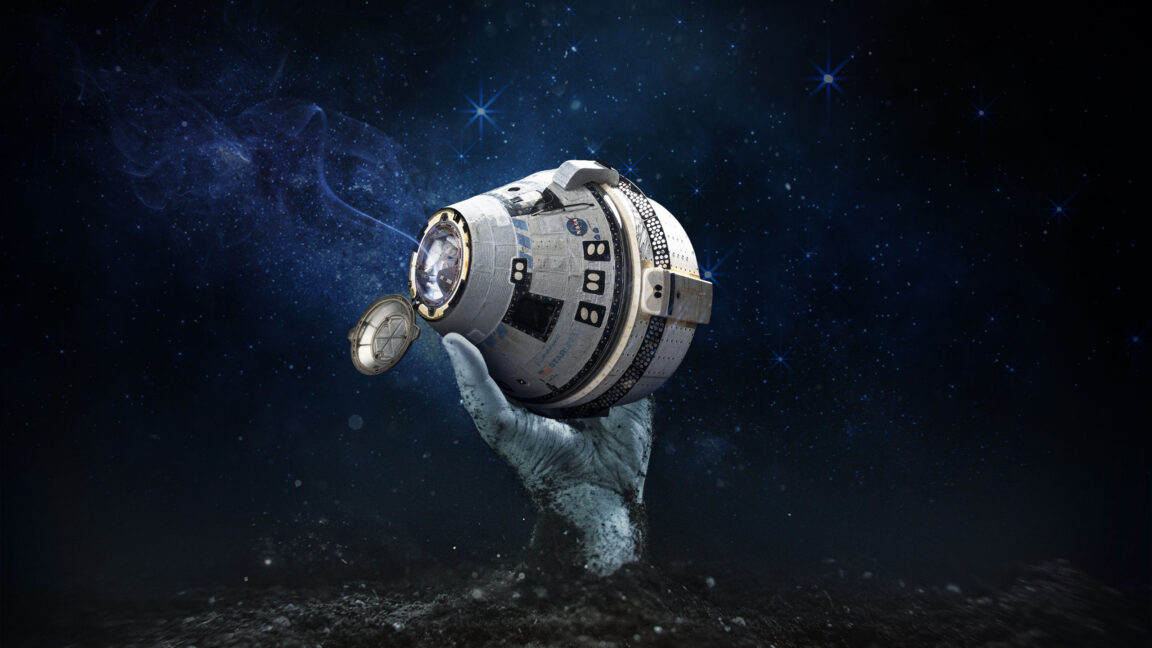
NASA is set to take significant steps to ensure Boeing’s Starliner spacecraft continues to play a role in its human spaceflight initiatives. Sources indicate that the agency will soon announce plans for two additional crewed Starliner missions and will contribute funding to address thruster issues that have plagued the spacecraft. This comes in light of SpaceX's announcement that it plans to retire its Crew Dragon vehicle by 2030, leaving NASA in need of alternatives for crew transport to low-Earth orbit.
Read More
SpaceX has publicly confirmed its intention to wind down the Dragon program, shifting focus to its larger Starship rocket for launching satellites. In a recent podcast, SpaceX President Gwynne Shotwell suggested Boeing should enhance its performance with the Starliner, stating the company has received significant funding from NASA for its capsule development.
Since 2010, NASA has invested approximately $3.1 billion in SpaceX and $5.1 billion in Boeing for its Commercial Crew program. While SpaceX has successfully completed 13 crewed missions, Boeing's Starliner has encountered numerous technical challenges, including thruster failures that nearly led to a catastrophic incident during its first crew test flight in June 2024.
NASA's review acknowledged both design deficiencies in Starliner and shortcomings in decision-making and leadership. Despite this history, the agency is moving forward to reintegrate Boeing into its plans for human spaceflight.
Given the planned retirement of the Atlas V rocket, which currently supports Starliner launches, NASA must explore new launch options. There will likely be competition between United Launch Alliance’s Vulcan and Blue Origin’s New Glenn rockets. NASA's collaboration with Boeing aims to maintain a viable crew transport option past 2030, particularly amid concerns from private space station developers who require reliable crew transportation.
Additionally, Blue Origin's crewed spacecraft is in development and may provide another option for future launches. NASA’s decision to support Boeing could also yield advantages for Blue Origin, especially if Starliner were launched on New Glenn, helping both companies obtain necessary certifications for human missions.