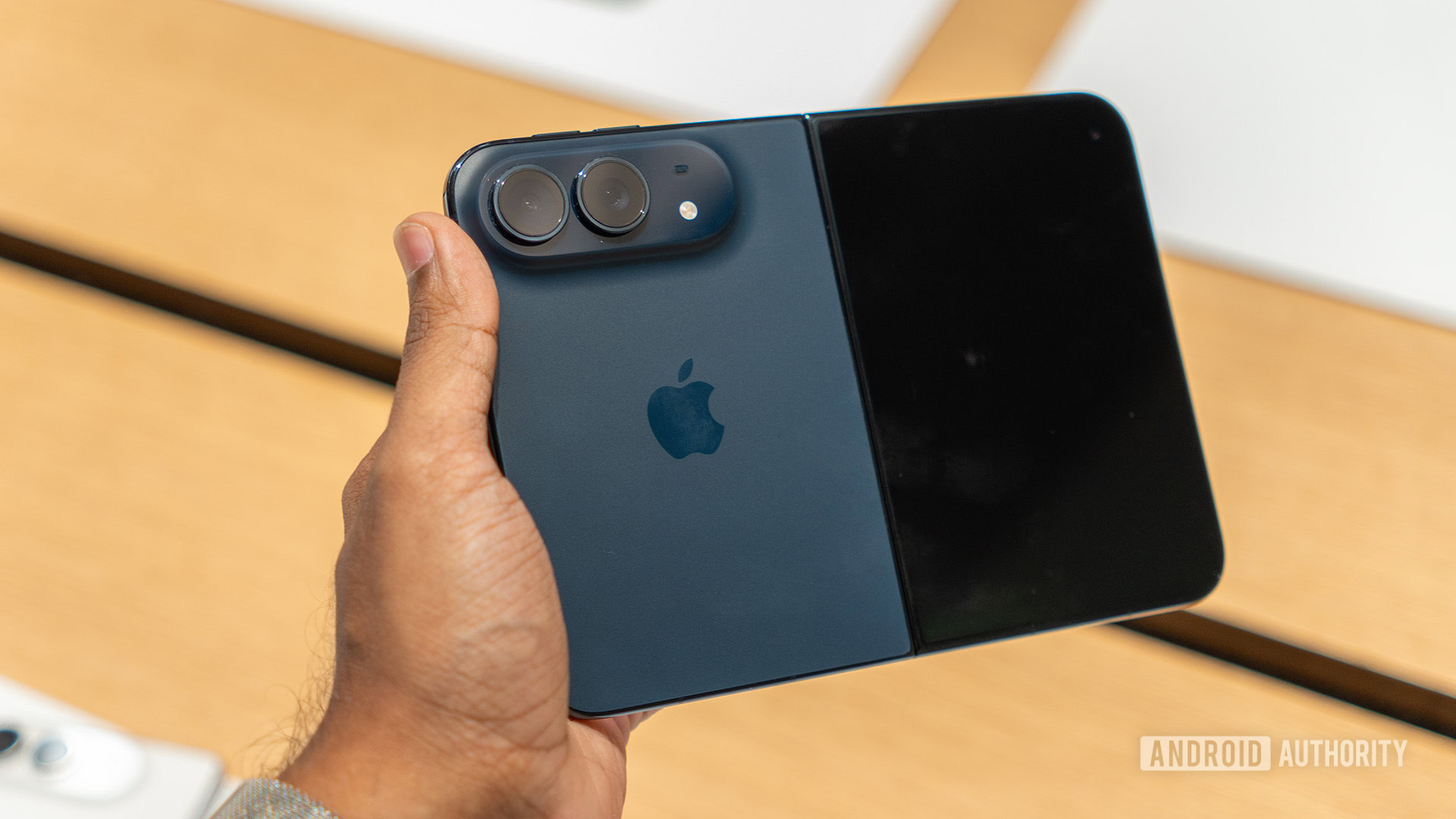
Foldable phones have created a divide among users, with some finding traditional smartphones too simplistic while others, like the author, have grown to dislike the foldable format. After initially being an enthusiastic adopter of book-style foldables, the author has come to see their flaws as the novelty wore off.
Read More
The central issue isn't about missing features like rear cameras or durability. Instead, the author questions the practicality of a device that uses complicated mechanics to combine functions that may not be executed well. While foldables aim to merge the experiences of a phone and a tablet, the author reflects that the need to use multiple apps simultaneously is infrequent, diminishing the value of a foldable design.
The rise of smartphones was rooted in consolidating various devices into one, serving to lighten what users had to carry. This concept pushed forward with foldables, marketed as multitasking devices for improved productivity. However, the author feels that today's usage patterns don’t require such a gadget, noting that optimization is no longer limited to convenience alone.
The blending of work and personal life through a single device has taken a toll on mental wellbeing. Despite trying various digital wellbeing tools, the author believes that utilizing multiple screens fosters healthier boundaries. Shifting devices helps signal transitions between work and leisure, creating necessary distinctions in usage.
With a renewed strategy of compartmentalized computing, the author has reintroduced a smartwatch to minimize phone dependency and has dedicated a tablet solely for entertainment, avoiding work-related distractions. This approach has produced a more satisfying relationship with technology.
The tendency of foldables to compel continuous interaction has led the author to rethink their usage, trying to treat devices as specialized tools rather than multitasking gadgets. While they still want their phone to serve multiple tasks, they prefer to keep its role distinct from that of a tablet.
As the author shares their multi-device setup—using a laptop for work with designated roles—it becomes clear that foldable phones, particularly in a book-style format, do not fit into their intentional approach to technology. They acknowledge that this preference is personal; foldables may still suit those who benefit from their unique functionality. Ultimately, the experience emphasizes the importance of purpose in technological use, fostering boundaries that support a healthier digital life.