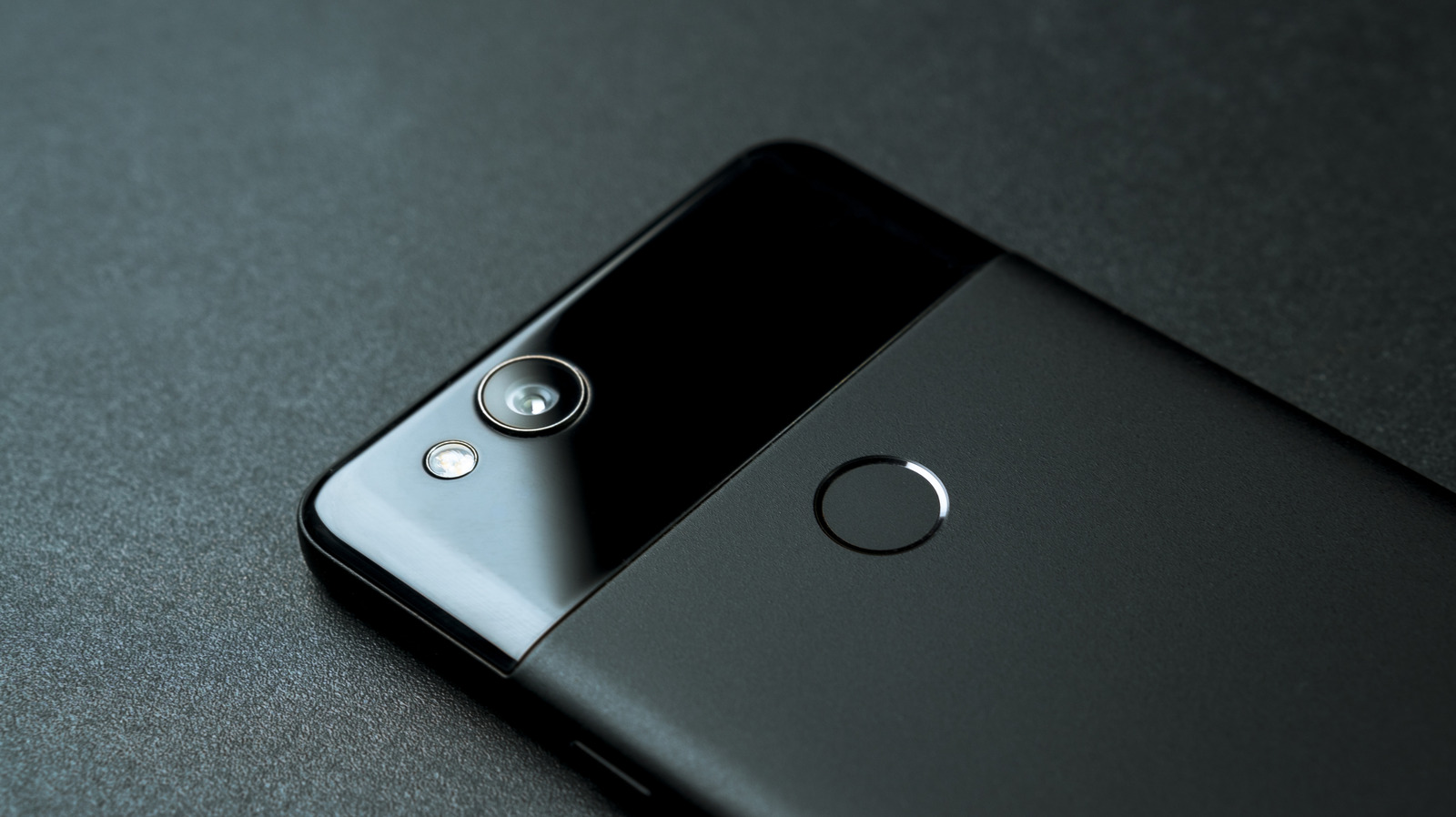
As technology evolves, some devices become obsolete, particularly when they stop receiving software updates, which can expose them to security risks and compatibility issues with new applications. Google Pixel phones are affected by this trend.
Read More
According to the Pixel Phone Help page, as of August 2026, the Pixel 5 and all older models, including the Pixel 1, 2, 3, 4, and variants such as XL, A-line, and 5G versions, will no longer receive operating system or security updates. The Pixel 5a, launched in August 2021, is the last of these older devices and will have received updates until late 2024, making its active lifespan about three years.
The duration of software updates varies by model. Devices from the Pixel 8 generation onward, including the Pixel 11 Pro and Pixel 9a, are guaranteed seven years of updates from their initial U.S. launch. This means that regardless of when a user purchases a Pixel 11 Pro, updates will continue until 2033, given its August 2026 launch.
For older models, such as the Pixel Fold, Pixel 7 series, and Pixel 6, the span of guaranteed updates is shorter. The Pixel 6 and 6 Pro, both launched in October 2021, may be approaching the end of their update lifespans by the time this article is read.
Using a phone that no longer receives updates can pose safety concerns, especially regarding security. While devices may function without the latest operating system updates for a while, they risk losing compatibility with applications. More critically, phones that do not receive regular security updates become vulnerable to exploitation, increasing the risk of malware and other security threats. Therefore, it is advisable to upgrade to a newer device that continues to receive updates. If upgrading is not possible, users may consider unlocking their phones to install alternative Android versions that still receive updates.