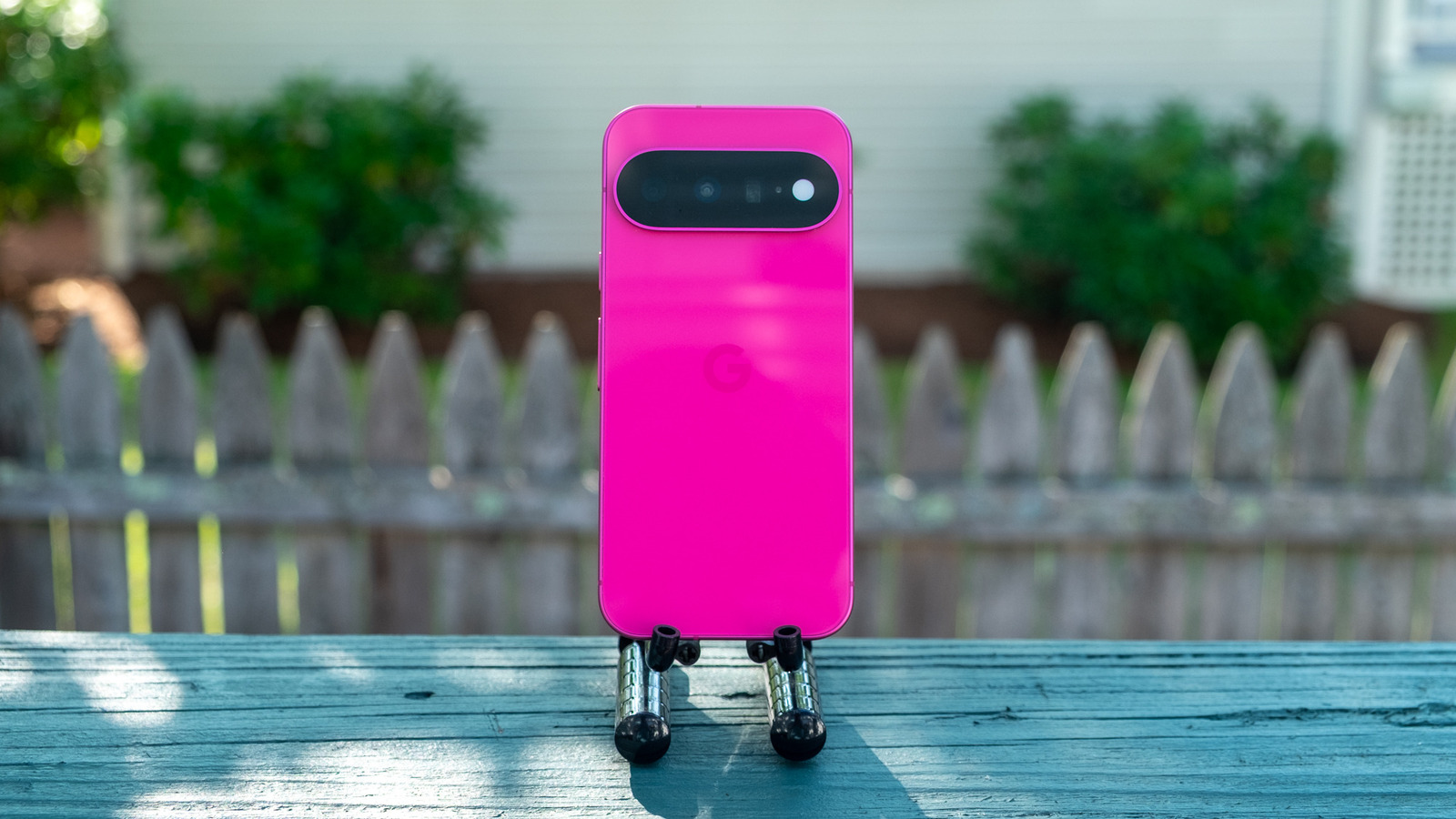
The Pixel 11 is priced at $899, marking a $100 increase from its predecessor, the Pixel 10, but it remains a top contender among smartphones.
Read More
The device has received a rating of 9.2 out of 10. Key advantages include:
- Excellent performance and battery life
- Increased base storage this year
- Innovative AI features
- A three-camera setup that outperforms the base iPhone and many comparable Android models
- Attractive color options, including a striking hibiscus shade.
Despite these positives, some drawbacks include:
- The $100 price hike compared to the Pixel 10
- Few substantial upgrades from the previous model.
The Pixel 11 was officially announced last month, generating buzz particularly for its bold magenta color rather than new hardware or software features. The device is more of an incremental update than a major leap from the Pixel 10. It incorporates an updated Tensor G6 processor, enhanced main camera sensor, and slightly more base storage, along with various aesthetic color choices.
The design remains similar to that of its predecessors, featuring a 6.3-inch "Actua" display with a variable refresh rate of 60-120Hz and reaching up to 3,000 nits of brightness. The device weighs slightly less than the Pixel 10, partly due to a less pronounced camera bar design, and is offered in four colors: obsidian, frost, pistachio green, and hibiscus.
In terms of camera capabilities, the Pixel 11 retains the overall configuration of the Pixel 10's three-camera array, including a 13-megapixel ultra-wide lens and a 10.8-megapixel telephoto lens. While the megapixel count remains the same, the main sensor is larger this year. Notably, the Pixel 11 introduces a 30x "Super Zoom" mode, allowing for improved zoom capabilities, although users should manage their expectations regarding detail quality compared to professional-quality images.
Software innovations include the Camera Looks feature, which allows users to edit default filters for the camera, and Magic Capture, which captures short videos and photos with automatic edits to aid in documenting dynamic scenes.
The Tensor G6 chip powers the Pixel 11, featuring a more robust image signal processor and faster processing compared to previous models. The phone is equipped with either 256GB or 512GB of storage, as well as 12GB of RAM. Users noted satisfactory speed and battery life, with most managing to go almost two days between charges under typical usage.
While the Pixel 11 may not entice users of the Pixel 10 to upgrade, it remains a solid choice for those with older smartphones, particularly for individuals considering a transition from iPhone to Android.