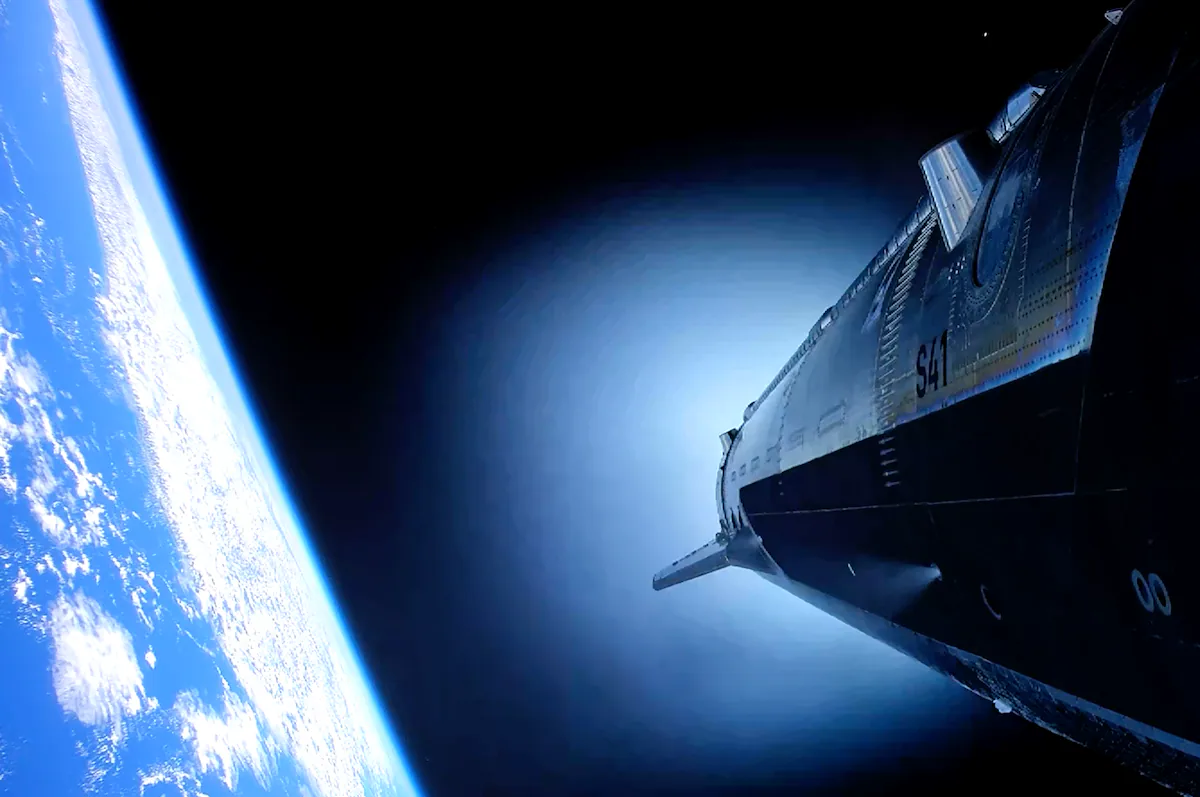
Elon Musk's Starship, the largest spacecraft ever built, successfully reached orbit for the first time on October 1. SpaceX has obtained approval from the U.S. federal government to accelerate testing and may conduct two additional launches in October. Musk has stated that Starship could achieve hourly flights in two to three years, a move aimed at expanding his Starlink network to 100,000 satellites and enhancing data services.
Read More
While Musk's ambitions are well-known in the tech world, many in the space industry believe that achieving full operational capability for Starship will take longer than Musk's timelines suggest. SpaceX plans to retire its Falcon 9 rockets by 2028, despite their ongoing use for numerous launches by various agencies and companies. This shift has caused concern among satellite operators, as industry observers fear SpaceX's accelerated Starship timeline could disrupt launch schedules across the board, impacting everyone from small startups to NASA, which has historically led the field.
Currently, SpaceX conducts more than 50% of the 325 expected global space launches in 2025, primarily using Falcon 9 rockets. In a showcase of this capacity, the company launched three missions in a single day on October 1, including sending astronauts to the International Space Station and deploying Google's first orbital AI data center.
Musk continues to push for lowering costs associated with spaceflight, which he claims will make launches more accessible. However, the space industry is wary that benefits may initially accrue only to SpaceX. Following Starship's historic orbital flight, it currently serves mainly to deploy Starlink satellites. To broaden its customer base, SpaceX will need to develop variations of the spacecraft.
A significant hurdle remains the spacecraft's reusability. Starship currently splashes down in the ocean and has experienced several failures in its testing phase, including engine issues. Musk aims to recover both stages of Starship by 2027, which involves increasing the frequency of flight tests from the current pace of bi-monthly launches.
The future of critical missions, such as NASA's Artemis 3, which aims to land the first woman on the Moon, is also in flux due to Starship's delayed development. NASA has revised the mission, now intending to operate entirely in low Earth orbit instead of targeting the Moon, with other companies like Blue Origin stepping in as possible collaborators.
The timeline for Starship's operational readiness and its capacity for lunar missions remains uncertain, particularly with challenges like orbital refueling not yet tested. Additionally, NASA’s dependency on SpaceX for astronaut transport to the International Space Station is increasing concern, as SpaceX plans to phase out its Falcon and Dragon platforms in favor of Starship. NASA is concurrently working with Boeing to develop its Starliner spacecraft, which is expected to undergo an uncrewed test soon, with hopes of crewed flights by 2028.