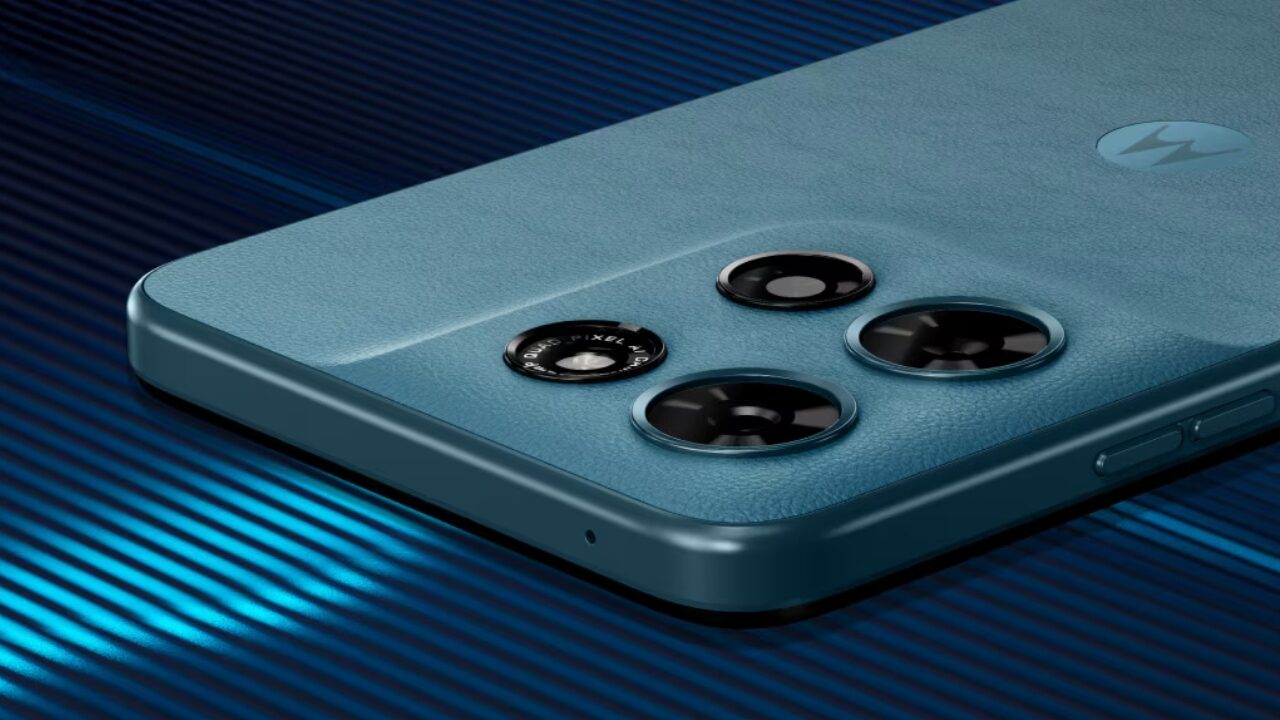
Motorola's budget smartphones have a reputation for dependability, and the Moto G Play 2026 follows this trend, though it often feels constrained by its price range. While it is functional, long-lasting, and aesthetically pleasing, it seldom exceeds an average performance standard, making it less competitive in a crowded affordable smartphone market.
Read More
The design of the Moto G Play 2026 is intentionally basic, featuring a muted finish that appears more appealing in person. The plastic frame and back might not deceive anyone into thinking it’s a mid-range device, but its comfortable grip and manageable weight complement its 5200mAh battery. Weighing 202 grams, it’s not overly light, but the heft suits the device.
One of the standout features is the 6.7-inch ultrawide display, though it primarily remains an LCD with HD+ resolution. In 2025, the HD+ quality on such a large display is underwhelming. However, the High Brightness Mode allows for decent outdoor visibility, and the 120Hz refresh rate provides a smoother scrolling experience. Yet, the low resolution leads to blurred text and muted image details, revealing cost-cutting measures at play.
Performance is adequate, powered by the MediaTek Dimensity 6300 chipset paired with 4GB of RAM. It handles daily tasks like social media browsing and messaging without significant delays, and Android 16 operates smoothly. The RAM Boost feature allows for additional virtual RAM by utilizing internal storage, which can help but is not a complete solution. Light gaming is manageable, but more demanding games often exhibit performance dips, showing that the device struggles to match its marketing claims of superfast 5G performance.
The camera system is where the Moto G Play 2026 aims to impress, but limitations are evident. The 32MP main camera uses Quad Pixel technology for 8MP photos, which are surprisingly sharp in well-lit conditions. However, low-light performance suffers with images showing blurriness around the edges, despite the inclusion of a Night Vision mode. The 8MP front camera performs adequately for video calls and selfies, but it doesn’t elevate the photography experience, especially with higher competition in low-light capabilities.
Battery life is a major strength, with the 5200mAh battery allowing for a runtime of up to two days under mixed usage, which is impressive. However, charging speed is limited to 18W, making it slower than several rivals.
Audio quality is enhanced by stereo speakers and Dolby Atmos support, providing a satisfactory sound profile for media consumption. The return of a 3.5mm headphone jack is a welcome addition. The device also benefits from stable Bluetooth 5.4 connectivity.
On the software front, Motorola keeps Android 16 clean with minimal bloatware, but concerns about long-term OS updates linger, as budget devices often fall behind in this regard. Connectivity features are solid, including dual SIM support, NFC, FM radio, microSD expansion up to 1TB, and a variety of 5G and LTE bands. However, the USB-C port operates only at USB 2.0 speed, limiting transfer rates.
Ultimately, the Moto G Play 2026 delivers what its predecessors promised: a straightforward, reliable device with a long battery life and a large screen. However, as competing devices in the market offer higher resolutions, faster charging, and improved camera capabilities for similar prices, the Moto G Play 2026 feels less impressive. While it serves well for basic tasks and social media use, those seeking better overall performance may want to consider alternatives.