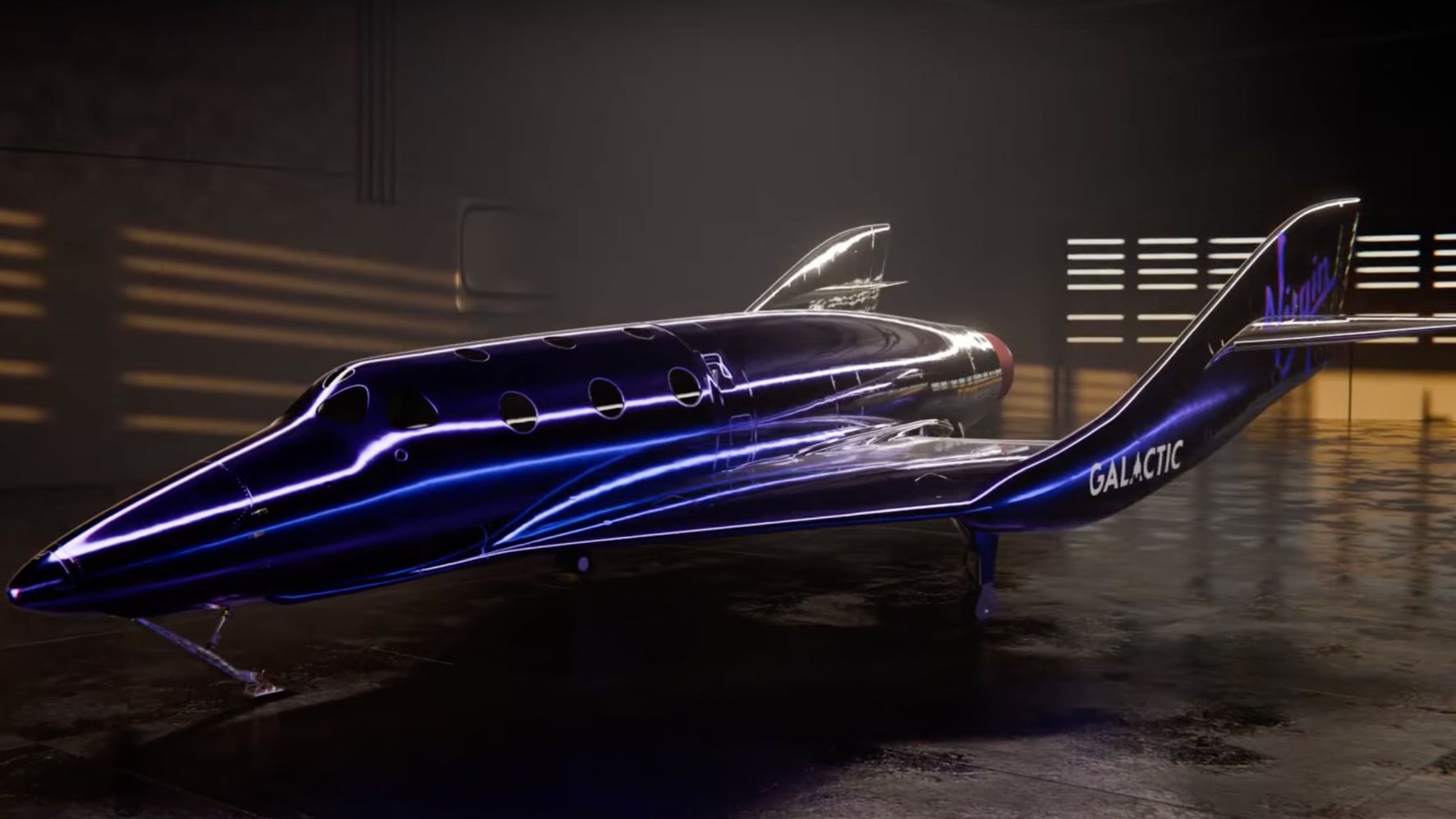
Virgin Galactic has announced a delay in its upcoming commercial spaceflights, now targeting February 2027 for resuming service. The company has not conducted a flight since June 2024 and had previously aimed for a late 2026 launch. CEO Michael Colglazier stated during an earnings call on August 12, 2026, that the shift in schedule allows additional time for vital avionics and systems installations.
Read More
Colglazier clarified that there is no single reason for the delay; rather, it results from a series of small but significant tasks taking longer than anticipated. The February mission will mark the inaugural flight of the new "Delta class" spacecraft, designed for higher frequency operations—up to twice weekly, unlike the earlier VSS Unity which completed its last commercial flight in June 2023.
Virgin Galactic is currently constructing two Delta vehicles, which will accommodate six passengers and take off from beneath a carrier plane before launching to suborbital space from approximately 50,000 feet. Each flight is expected to last between 60 to 90 minutes, concluding back at the same runway.
The second Delta spaceship is set to arrive at Spaceport America in New Mexico by March 2027. Colglazier noted a surge in demand for passenger bookings, with the latest tranche oversubscribed despite the flight hiatus. The price for this booking tier was $750,000, which has since been retired, with plans to introduce a new pricing tier later this fall that will likely be higher.
In the second quarter of 2026, Virgin Galactic reported a loss of nearly $56 million, showing improvement from a $67 million loss in the same period the previous year. CFO Doug Ahrens projected that, with the introduction of the second Delta spaceship, the company anticipates achieving a flight rate of 10 or more per month by mid-2027, which would be a significant milestone in human spaceflight.
Ahrens also provided insights into the long-term financial outlook, estimating each new spaceship could generate over $1.4 billion in lifetime contribution margins based on operational and pricing forecasts. Currently, Virgin Galactic remains the sole player in the suborbital space tourism market, following Blue Origin's decision to pause its flights to concentrate on lunar missions for NASA. Blue Origin's ticket prices are estimated to range between $1 million to $2 million, which Ahrens indicated could prompt Virgin Galactic to raise its prices as demand continues.