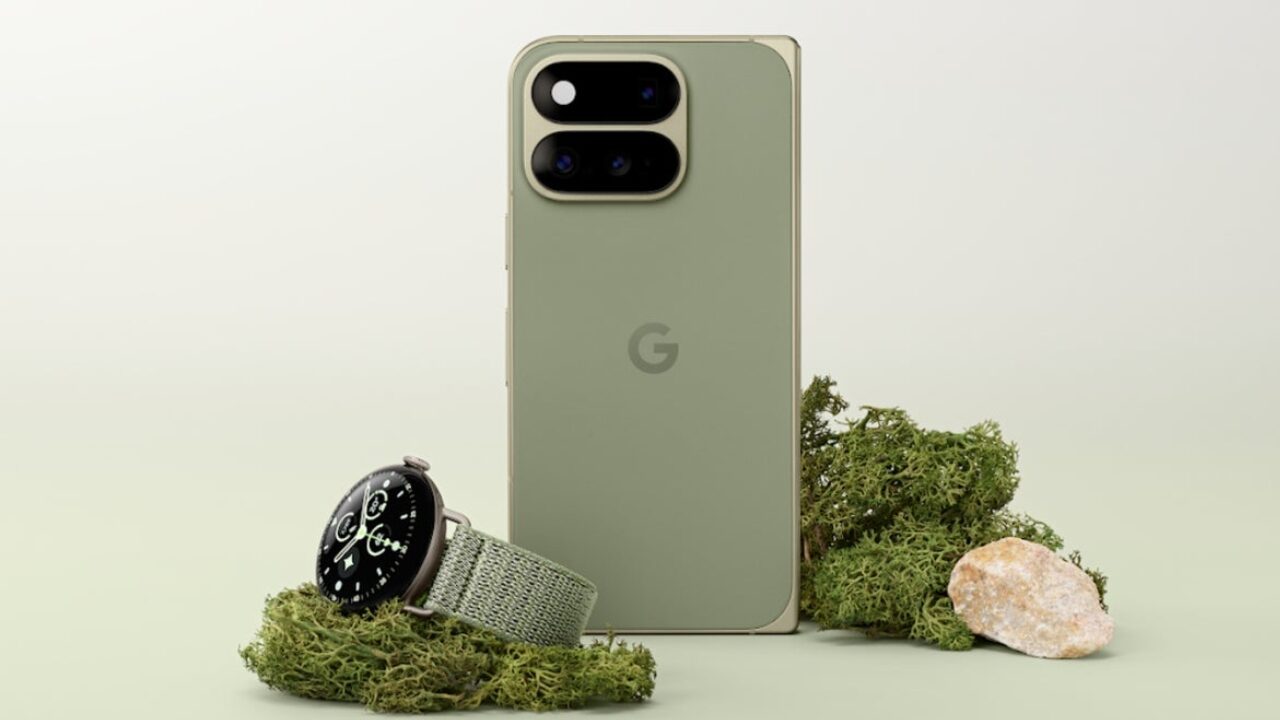
Following its recent announcement at the Made by Google event, I have been using the Google Pixel 11 Pro Fold as my primary device. My experience with foldable smartphones has grown over the past few months, making them my preferred choice for daily use.
Read More
While I appreciate many aspects of the Pixel 11 Pro Fold, I doubt it will be my long-term choice among foldables. One initial concern is the name, which feels excessively long—choosing between 'Pro' or 'Fold' would have been preferable. However, the functionality of the smartphone is what matters most to me. Overall, the Pixel 11 Pro Fold has proven to be a comfortable device, though it does come with some limitations that set it apart from other foldables.
During the event, Google revealed four new smartphones in the Pixel 11 lineup, including the Pixel 11 Pro Fold. Below is how it compares to the other models:
- **Pixel 11 Pro Fold**: 6.5" Super Actua outer display and 8" Super Actua Flex inner display, both capable of 3600 nits peak brightness. It is powered by the Google Tensor G6 chipset, with 16GB RAM and storage options ranging from 256GB to 1TB. The device weighs 239g and has a 4806 mAh battery, supporting 30W wired charging.
The design resembles other standard foldables like the Motorola Razr and the Samsung Galaxy Z Fold8 Ultra. Despite good displays suitable for photos and media consumption, I found the crease in the screen noticeable. Unlike previous experiences with foldables, the crease on the Pixel 11 Pro Fold was distracting enough that it occasionally impacted my reading and viewing.
Gaming performance was another area of concern. Although Pixels aren't specifically targeted at gamers, the large display makes it likely to be used for gaming. Testing the game Fortnite on the lowest settings revealed substantial performance issues, with significant frame rate drops during gameplay. For lighter games like Stardew Valley, the experience was more pleasant, but demanding games struggled significantly.
Camera capabilities remained mostly unchanged, featuring a 48MP wide lens, a 10.5MP ultrawide lens, and a 10.8MP telephoto lens. While the rear cameras work well for everyday photography, I found my soccer game photos to be disappointing, with blurry results even at modest zoom levels. Google continues to enhance camera features, providing user-friendly access to these additions, including tools like Magic Capture that simplifies capturing action shots.
Productivity with the Pixel 11 Pro Fold was satisfactory, as apps generally operated smoothly outside of gaming. However, I encountered issues connecting via Android Auto, needing to reconnect manually each time I entered my vehicle.
Notable software features include Live Translate, which attempts to translate media in real time, and a voice-to-text tool called Rambler, which offers impressive accuracy and efficiency. While I appreciated these improvements, the battery life was less impressive, lasting around 12 hours under moderate use, which caused concern. Although it charges with 30W wired and 25W wireless options, my testing showed that actual charging rates fell short of Google's claims.
Overall, the Google Pixel 11 Pro Fold does not present a significant upgrade over its predecessor. Despite being user-friendly and packed with quality-of-life features, it does not stand out against competitors such as the Samsung Galaxy Z Fold8. At its price point, expectations for greater innovation remain high.