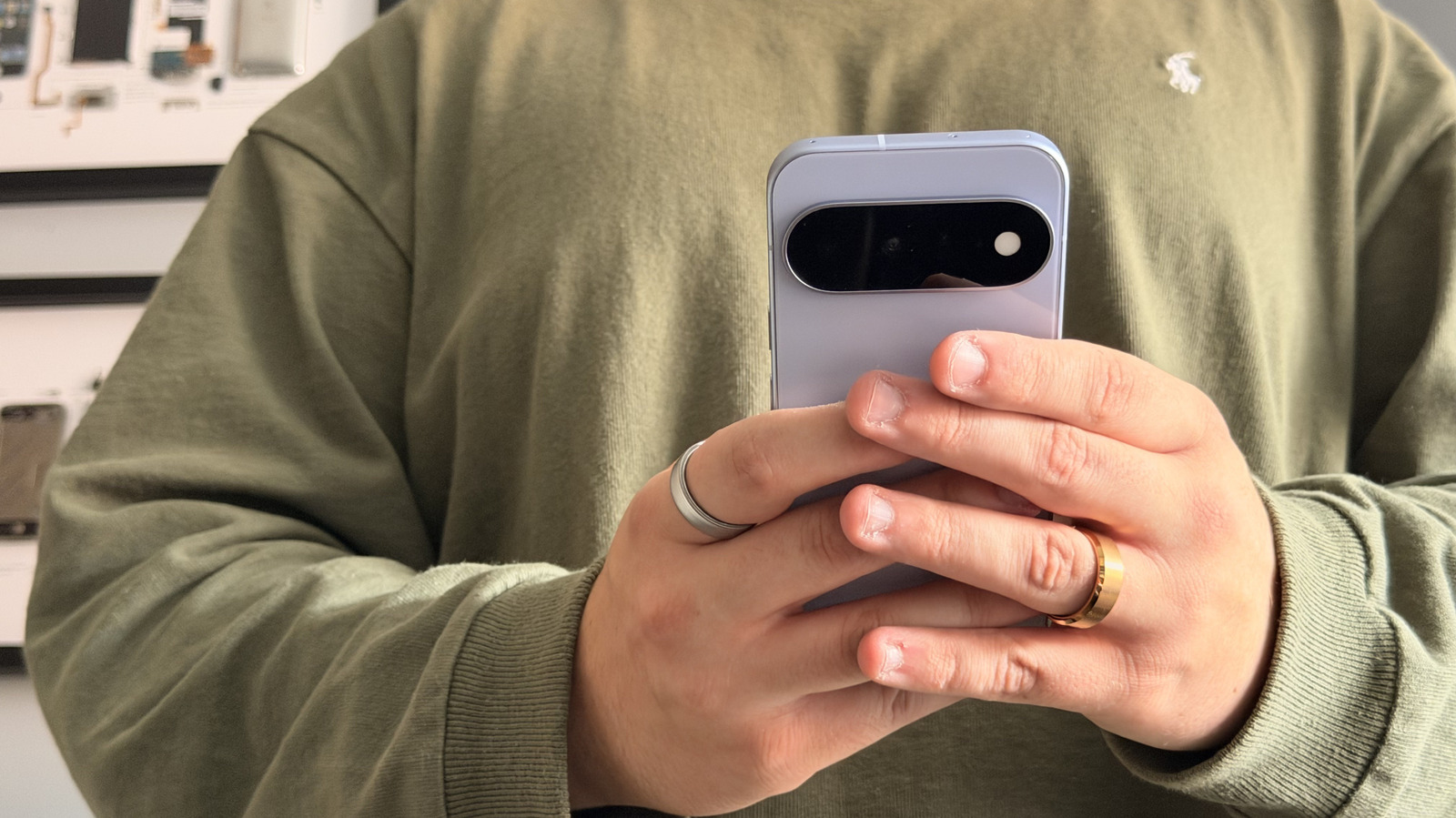
The Google Pixel 11 has been released at a starting price of $899, reflecting a $100 increase from its predecessor, the Pixel 10. All models in the Pixel 11 lineup have seen similar price adjustments, but each now comes with 256GB of storage as standard, which may ease concerns about the higher cost.
Read More
Users transitioning from the Pixel 10 will find the Pixel 11 experience quite familiar. It features a 6.3-inch Actua display, powered by the new Tensor G6 chip, accompanied by 12GB of RAM and a revamped triple camera system centered around a larger 48MP main sensor. The battery capacity is 4,985 mAh, with Google claiming a 56% enhancement in light sensitivity for the main sensor. Additionally, the phone incorporates AI-assisted 30x Super Zoom alongside a 5x telephoto lens. Google promises seven years of operating system, security, and Pixel Drop updates with this model.
Having used the Pixel 11 as my primary device for two weeks, including travels to Berlin for IFA 2026 and a stay in London, I found it to be a recommendable phone, albeit not an exciting one. It excels in photo quality, boasts an all-day battery life, and features clean software. However, the advancements feel insufficient for previous Pixel 10 users considering an upgrade.
In terms of design, the Pixel 11 is available in Frost, Pistachio, Hibiscus, and Obsidian colors. I tested the Frost option, a pale off-white with an undertone that varies with lighting. The Gorilla Glass Victus 2 back panel is surprisingly resistant to fingerprints, despite its glossy finish, though it is quite reflective.
This year's model sees a 40% reduction in the thickness of the camera bar for a flatter profile, although some slight rocking remains when placed face-up. Weighing in at 6.9 oz, the Pixel 11 is lighter than its Pro counterparts and maintains a premium feel, with no noticeable scratches after two weeks of use. It offers IP68 water and dust resistance, handling rainy conditions well. The display is user-friendly for one-handed use, a quality that has become rare in today's smartphones.
Face Unlock is quick but does not function in low light, which can be inconvenient. The fingerprint sensor remains an alternative. However, the speakers underperform at higher volumes, producing a tinny sound that is disappointing for a device in this price range.
The 6.3-inch Actua panel displays at a resolution of 1080 x 2244, with a refresh rate of 120 Hz. While it performs well under bright conditions, its technology is largely identical to that of the Pixel 10, lacking enhancements like LTPO for more sophisticated display management. Brightness levels can peak at 3,000 nits, ensuring visibility outdoors and consistent performance in varied lighting.
The Tensor G6 chip used in the Pixel 11 delivers solid performance for everyday tasks. However, under heavy multitasking or demanding uses, such as running multiple apps alongside navigation, the phone can experience sluggishness. Gaming performance lags behind competitors using other chipsets, particularly in graphics-intensive scenarios.
Battery life stands out as a key strength, with the 4,985 mAh capacity offering robust performance, even with active camera use and other features. Google claims that the battery can recharge to 55% in around 30 minutes with fast charging, which is supported by the experience I observed.
The camera system remains a significant selling point. With a 48 MP main camera capable of capturing impressive low-light images and a range of optical capabilities, it greatly simplifies photography. Although it features fewer megapixels than the Pro model, day-to-day performance is commendable.
Software-wise, the Pixel 11 runs on Android 17, renowned for its clean interface devoid of bloatware. Its support commitment includes seven years of updates, a rarity for devices at this price point. The introduction of features like Gemini-powered voice typing in Gboard adds enhanced functionality, though some features tend to be more intrusive than helpful.
In conclusion, the Pixel 11 offers a solid overall package with its excellent camera, robust battery life, and clean software. Still, many elements feel like incremental improvements with little to set it apart from its predecessor. For those using older models, it serves as an appealing choice; however, for current Pixel 10 users, waiting for future models may be prudent.