The Fairphone features a 6.3-inch AMOLED display with a 120-Hz refresh rate, providing a colorful and sharp visual experience, even in sunlight. Users may find the adaptive brightness mode to be overly aggressive, often requiring manual adjustments, but overall, the display meets expectations.
Read More
The phone is equipped with a 4,415-mAh battery, which offers decent longevity. Typically, users can expect to finish the day with around 20 percent battery remaining, after approximately five to six hours of screen-on time. While the absence of wireless charging is noted, it is not considered a significant drawback. The device also does not include a USB-C cable, but the expectation is that users will have one available from other devices, reducing e-waste.
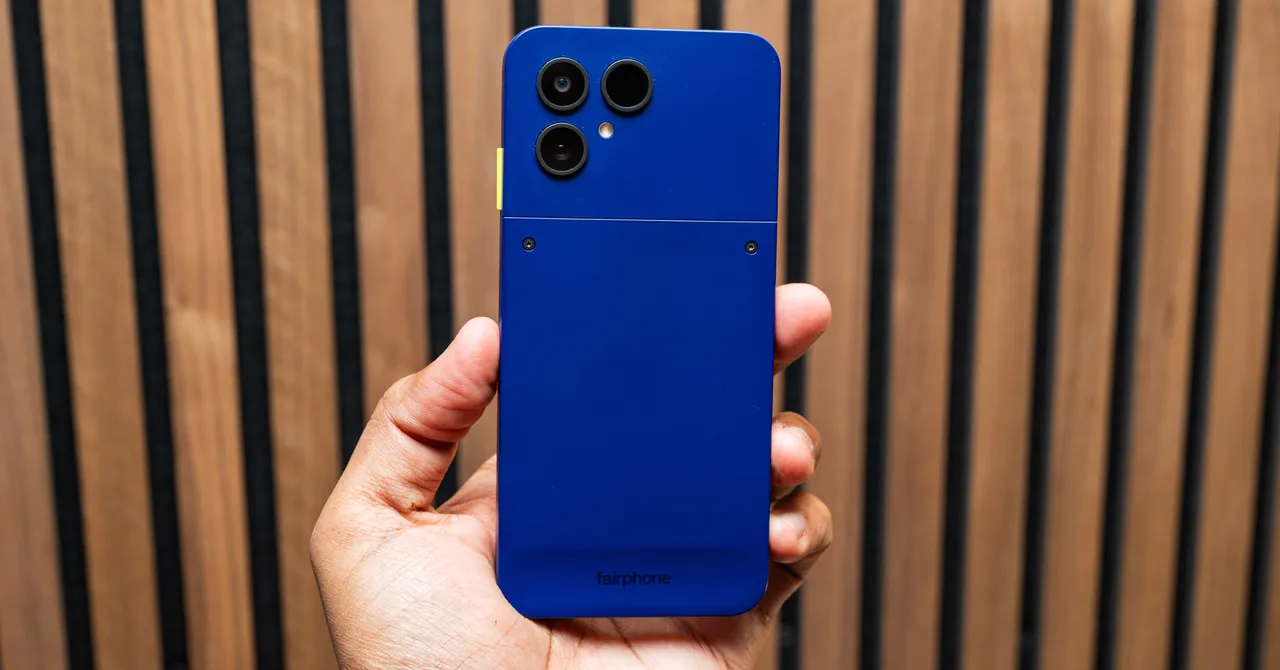
In terms of photography, the Fairphone has a dual-camera setup consisting of a 50-MP main camera and a 13-MP ultrawide camera. While the system performs adequately, it falls short of the capabilities offered by larger brands like Google, Apple, and Samsung, particularly in low-light situations where details may be lost. The 32-MP selfie camera also tends to produce softer images. However, the camera results are sufficient for general use, though those reliant on smartphone photography may want to consider other options.
Fairphone’s software experience is primarily based on a near-stock version of Android 16, with minimal modifications. A unique feature is the Fairphone Moments system, activated by a switch on the phone's edge. This allows users to limit access to a select few applications, such as Google Maps and Spotify, to help maintain focus during tasks like driving. While this feature is innovative, its effectiveness ultimately relies on the user's discipline to adhere to the restrictions.