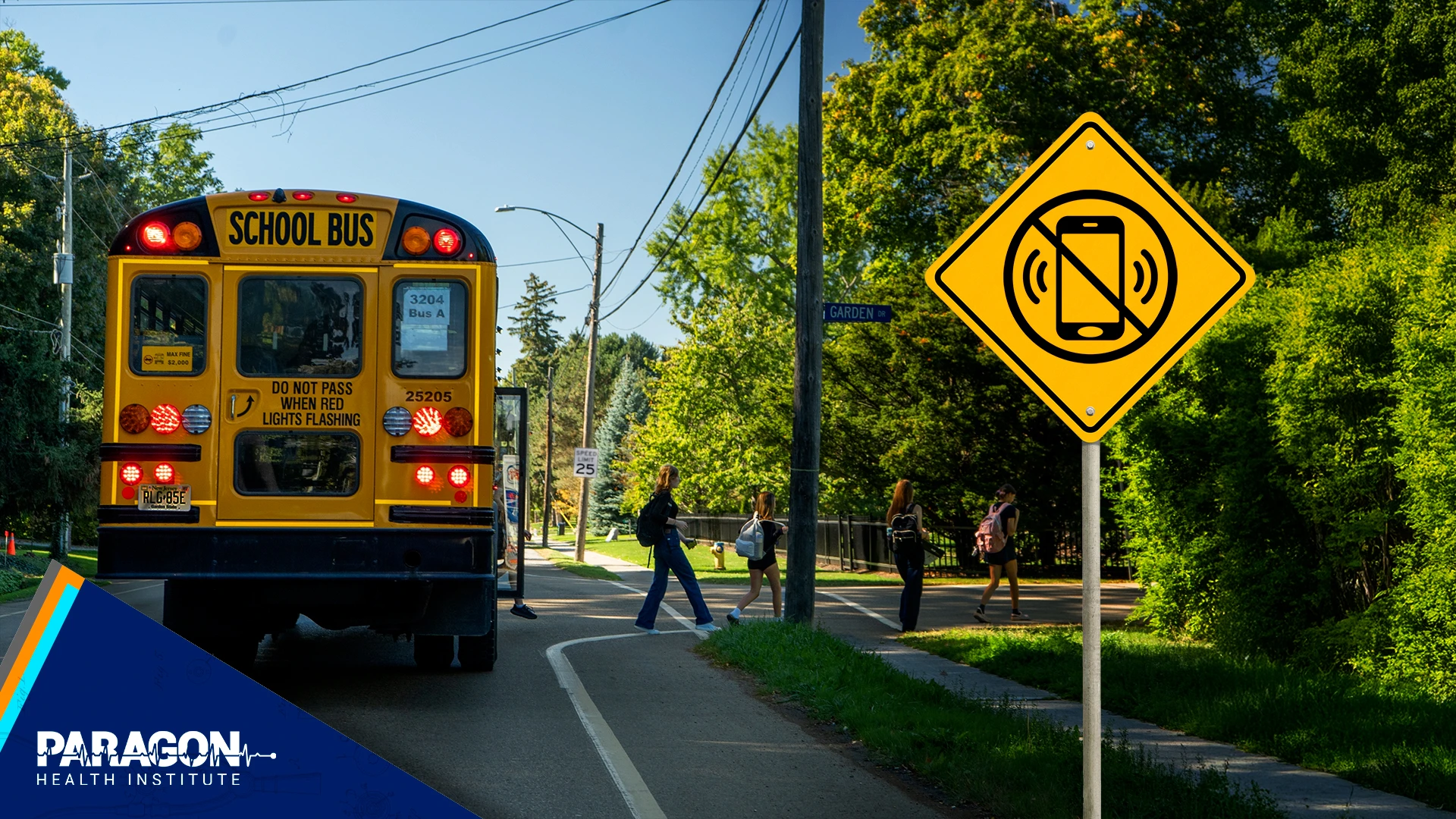
Research indicates that smartphone use in schools is prevalent, with over 95 percent of U.S. teens owning devices and nearly half reporting excessive social media usage. Concerns over these devices have surged, particularly regarding their effects on student concentration, classroom behavior, and mental health. A spring 2024 national survey found that over 90 percent of educators viewed student mental health as a critical issue, with many attributing these concerns to cell phones and social media.
Read More
To address distraction and promote engagement, policymakers and school leaders are increasingly implementing smartphone restrictions, often termed "cell phone bans." These regulations range from complete prohibitions during school hours to limitations only during class time. A 2024 Pew Research Center survey revealed that 68 percent of U.S. adults support banning phone use in middle and high school classrooms. As of October 2025, 31 states and the District of Columbia had enacted restrictions on smartphone use in K-12 schools, indicating a significant policy trend.
Research shows that cell phone bans can lead to improved academic performance, particularly among low-achieving students. For instance, studies from the United Kingdom linked phone prohibitions to a 6.4 percent increase in national exam scores. However, findings on mental health benefits are mixed, with some studies noting decreased bullying and behavior problems, while others report no significant changes in student anxiety or depression levels.
Implementation strategies for cell phone bans vary. Bell-to-bell bans are the most comprehensive and effective in reducing distractions but require substantial resources for enforcement, such as storage systems. In contrast, instructional time bans allow phone use between classes but still face challenges in maintaining student engagement and effective oversight.
Parents express growing support for restricting cell phone use, with a significant number believing that such policies could enhance students' social skills, academic performance, and behavior. However, concerns regarding safety and communication persist. Opponents of strict bans argue that they might hinder students' ability to communicate during emergencies, though experts suggest that the distraction posed by phones can exacerbate safety risks in critical situations.
Teachers also voice concerns over the effective enforcement of these policies and worry about losing the integration of technology in educational settings. Many educators utilize smartphones as tools for research and engagement, and outright bans may limit instructional flexibility.
In conclusion, cell phone bans have emerged as a potential solution to mitigate distractions and foster academic achievement and social interaction among students. Successful implementation involves clear rules, community support, consistent enforcement, and adequate resources for teachers. Ongoing research will be essential to evaluate the long-term impacts of such policies on student well-being and educational outcomes.