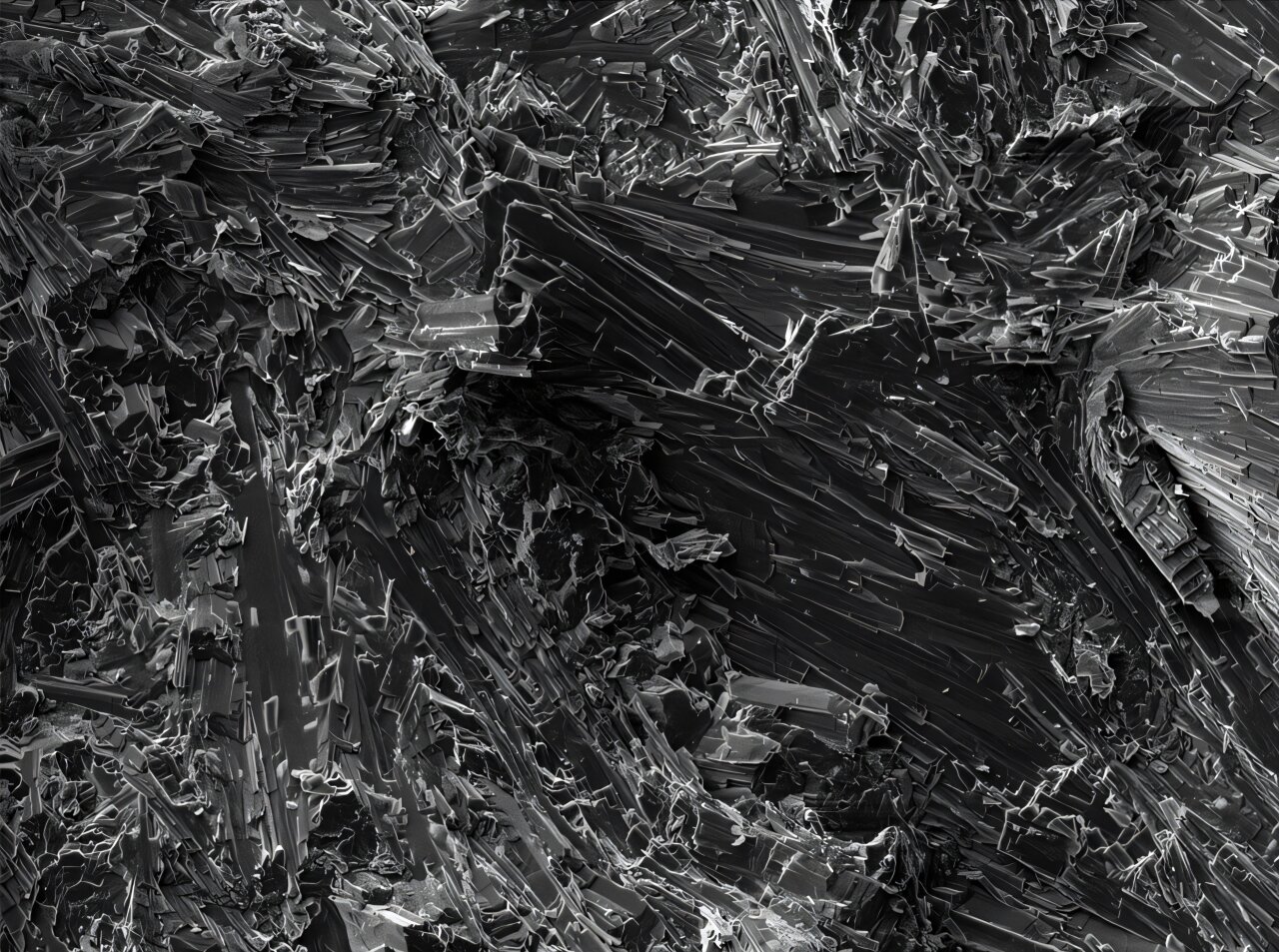
Ph.D. candidate Natalia Seliutina has embarked on a journey to uncover the exceptional properties of pounamu, also known as nephrite jade, examining its toughness and potential applications in material science, including space exploration. Her research spans from the frigid temperatures of Siberia to New Zealand, where she recently published findings in the New Zealand Journal of Geology and Geophysics.
Read More
"Why did I choose to study rocks? That's a deep question," Seliutina remarked, reflecting on her passion for geology influenced by her grandmother's stories of rocks in traditional Udmurt folklore from the Southern Ural Mountains. She asserts that nephrite jade holds significant cultural meaning in her Siberian heritage, particularly in its association with ancestral spirits passed down through jade bracelets in her family tradition.
Seliutina's interest in nephrite jade brought her to New Zealand, where she is investigating its microstructure and mechanical strength. "Pounamu is exceptionally tough, and understanding its unique toughness is critical for future innovations in materials science," she explained. Her research aims to define the structural patterns that contribute to this toughness, considering it as a complex interplay of various factors.
In 2024, Seliutina utilized a particle accelerator at Taiwan's National Synchrotron Radiation Research Center to delve deeper into pounamu’s molecular structure. This synchrotron-based study marked a pioneering investigation into nephrite jade's microstructure, enhancing the scientific understanding of this culturally significant material.
Seliutina noted that the initial inquiry into the toughness of pounamu originated not from scientists, but from Māori carvers who have long appreciated its qualities. Through workshops, valuable knowledge was exchanged between researchers and carvers, revealing correlations between the carvers' assessments and Seliutina’s mechanical testing results regarding fracture resistance.
Additionally, her research aids carvers by providing insights into the internal cracks of pounamu, allowing them to better assess the material's quality and reduce waste during crafting. Seliutina described how the fibrous structure of pounamu acts as a reinforcement, akin to certain human-made ceramics, which may lead to the development of durable materials with applications beyond Earth.
Overall, Seliutina's work represents a blend of personal interest and scientific inquiry, as she navigates both the traditional significance of jade and its potential for technological advancements in the field of materials science. Her experiences in New Zealand have also prompted reflections on cultural differences and the welcoming nature of the community.
For more detailed findings, refer to Seliutina's study titled "Mechanical Properties and Fracture Behaviour of New Zealand Nephrite Jade (Pounamu): Implications for Fibre‐Toughening Mechanisms in Amphibole Monomineralic Rocks," published in 2026.