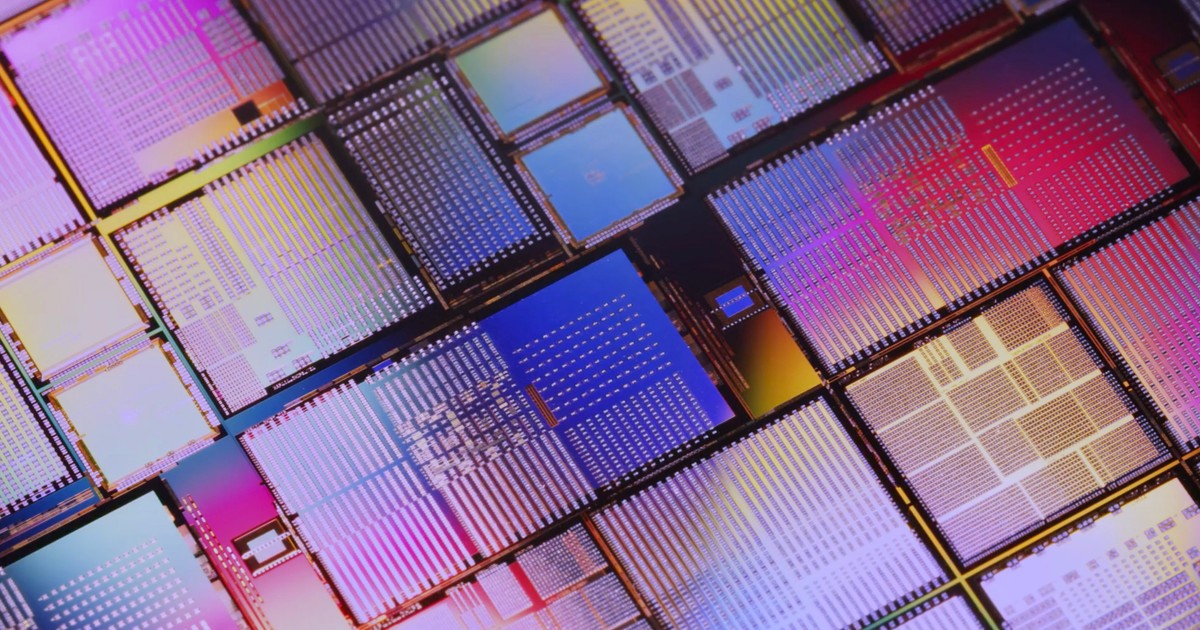
Arm has launched the C2-Ultra core, the flagship of its new CPU architecture, promising improved performance for mobile processors. This core follows last year’s Lumex C1 series, marking a shift back to simpler branding as it drops the Lumex name altogether. The C2-Ultra aims to excel in single-threaded performance, potentially replacing the Cortex-X series as the main core in upcoming mobile chips.
Read More
The C2-Ultra core is designed to decode 10 Arm instructions per cycle and features a robust execution backend with 8 arithmetic logic units (ALUs), three branch processing units, and six floating-point units. Notable improvements include a revamped branch predictor and enhancements in out-of-order processing capabilities.
In terms of cache architecture, the core includes a 64 KB L1 instruction cache and a 128 KB L1 data cache, along with a scalable L2 cache of up to 3 MB, allowing for better performance depending on the manufacturer’s implementation.
Arm claims that the C2-Ultra can provide a 15% boost in single-threaded performance compared to the previous generation, with web browsing speed and application startup times also improving significantly. This estimate has been supported by tests on benchmarks such as Geekbench 6.3, although variations in actual performance may occur.
Efficiency is another noted improvement, with Arm asserting that the C2-Ultra could consume 38% less power when configured similarly to its predecessor. However, practical usage at higher clock speeds may offset these gains.
The architecture enhancements are expected to lead to a 3.2% to 7% increase in instructions per clock (IPC), boosting overall performance when considering core clock speed advancements.
The C2-Ultra’s performance positioning suggests it could competitively align with offerings from Apple and AMD, although it remains to be seen how it will hold up against upcoming processors like AMD’s Zen 6 cores.
Additionally, the new C2-Pro and C2-Nano cores serve as refreshes of their predecessors, focusing on clock speed improvements from using TSMC’s advanced manufacturing processes. The architecture will also employ existing SME2 units for matrix calculations, while the new Mali-G2 GPU architecture will enhance AI performance alongside traditional graphics capabilities.
These cores are expected to appear in mobile SoCs from manufacturers like MediaTek and Samsung, with new devices anticipated in late 2026 or 2027.