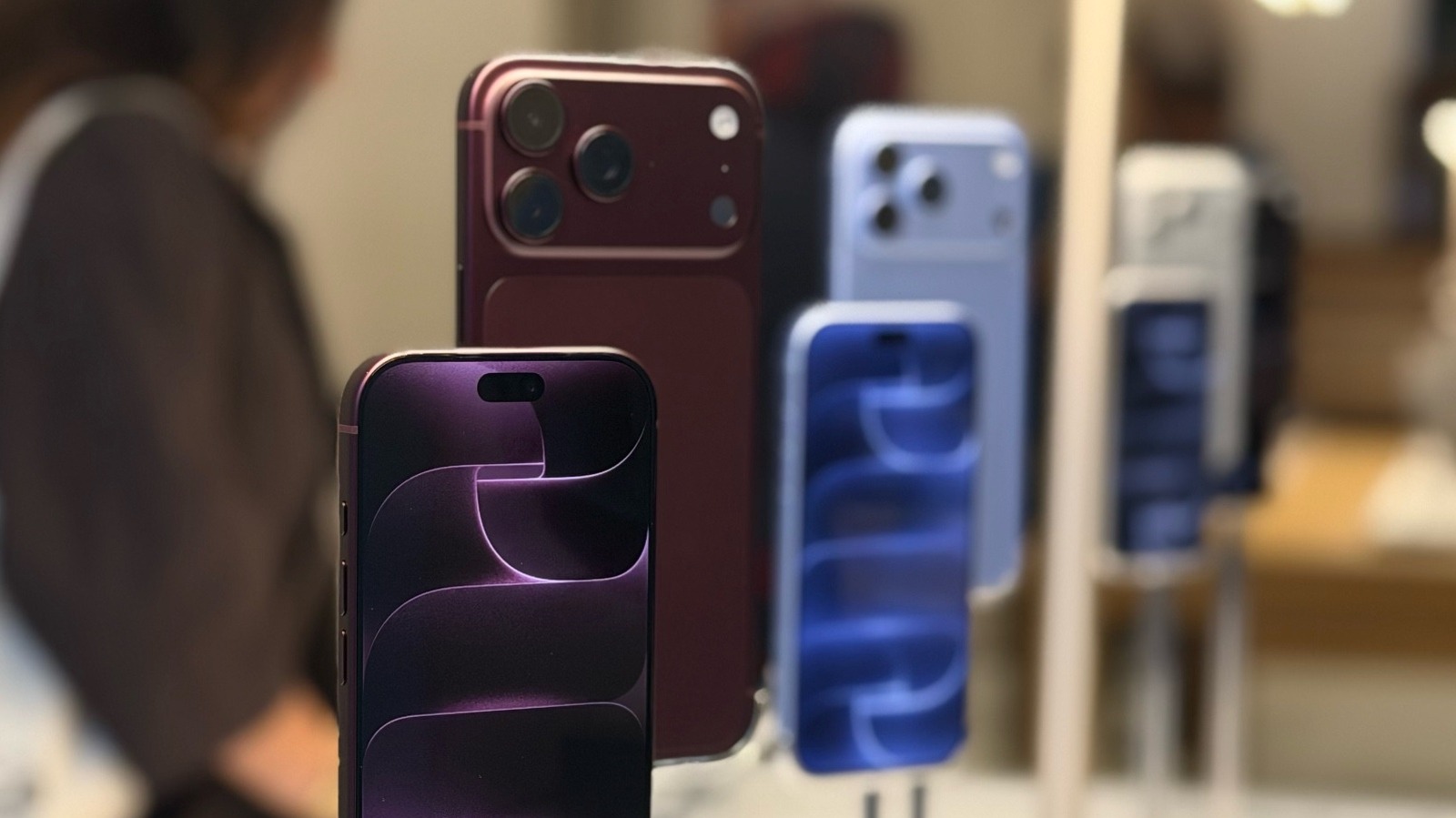
Prior to the launch of the iPhone 18 Pro, which introduced a variable aperture on its main camera, several Android manufacturers had explored this feature but later abandoned it. The first to implement variable aperture was Samsung with the Galaxy S9 and S9+ in March 2018. Other companies, including Huawei, Sony, and Xiaomi, followed suit in their premium offerings.
Read More
Samsung's Galaxy S9 featured a dual aperture option of f/1.5 and f/2.4. This design allowed the camera to adapt to various lighting conditions, similar to the human eye. The device also specialized in super slow-motion video capture at 960 frames per second and included a 12MP main camera alongside a 12MP telephoto and an 8MP selfie camera. Despite its initial success, Samsung eventually phased out variable aperture due to hardware complexities and costs, although rumors suggested a potential return with future models.
In 2021, Sony launched the Xperia Pro-I, developed in collaboration with ZEISS. This phone offered a variable aperture that could adjust between f/2.0 and f/4.0. It was recognized for its low-light performance and the ability to record 4K video at 120fps. However, after this iteration, Sony shifted focus towards continuous optical zoom in their telephoto lenses instead of maintaining the variable aperture feature.
Huawei introduced its Mate 50 Pro in 2022, boasting a variable aperture system that allowed users to select from ten different sizes. This smartphone featured a 50MP sensor that reportedly absorbed 24% more light than its predecessor, enhancing its low-light capabilities. Huawei continued to innovate in this area with subsequent models, such as the P60 Pro and more recent entries in the Nova lineup.
Xiaomi also made headlines by incorporating variable aperture in its smartphones, first in the Xiaomi 13 Ultra in 2023 and subsequently in the 14 Ultra with a stepless mechanism. However, the company reverted to a fixed aperture in the Xiaomi 15 Ultra as it prioritized reducing the device's weight and complexity while focusing on enhancing the telephoto capabilities of its cameras.
Most recently, Honor entered the market for variable aperture cameras with the Magic6 Pro in 2024, featuring a 50MP main camera with an aperture range from f/1.4 to f/2.0. This device not only emphasized camera features but also introduced AI improvements through its MagicOS 8.0. Honor has indicated that future models will continue to explore variable aperture technology.