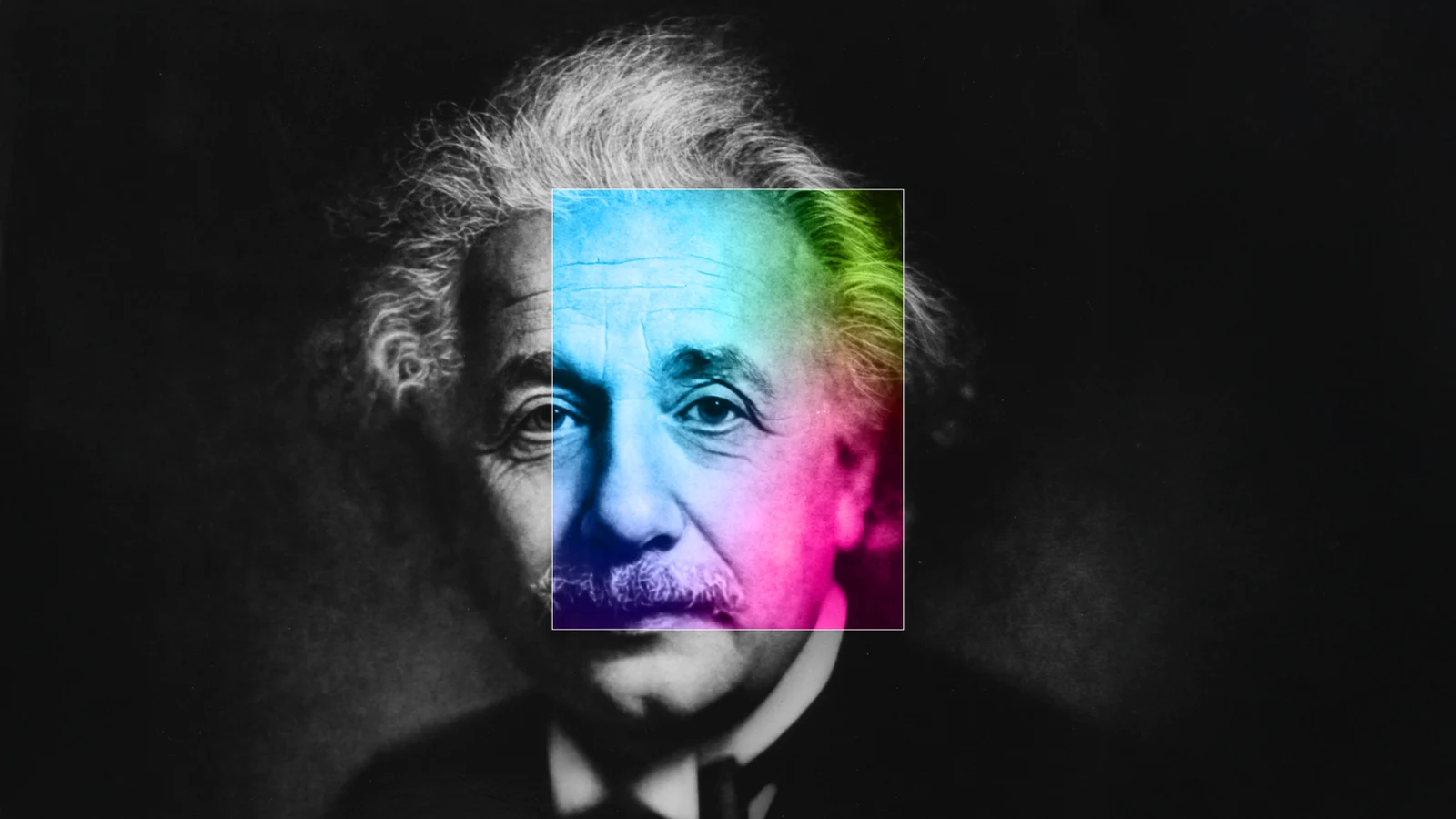
The photoelectric effect, described by Albert Einstein in a groundbreaking 1905 paper, has significantly influenced various technologies, including burglar alarms, solar panels, and the camera in your smartphone.
Read More
Eben Upton, founder of Raspberry Pi, recalls a demonstration where a camera flash caused their budget computer, popular in schools and among electronics enthusiasts, to crash. This incident exposed a vulnerability in the device related to the photoelectric effect, where light prompts the release of electrons, leading to an electrical current. This issue was realized shortly after the Raspberry Pi 2 was released in early 2015, prompting engineers to implement a black coating on the problematic chip in later models to absorb incoming light.
Einstein's work on the photoelectric effect earned him the Nobel Prize in Physics in 1921. This phenomenon has laid the foundation for multiple technologies. It was first observed by Heinrich Hertz, who demonstrated how light could generate electricity.
The core question Einstein addressed was the composition of light. While many scientists believed light was solely a wave, Einstein proposed that it also consisted of discrete particles called photons. This was crucial for explaining why the intensity of light did not affect the energy of emitted electrons, but rather the frequency—the color—did. Higher-energy photons could free electrons from materials, akin to using more powerful explosives to propel cannonballs.
Einstein's theories were radical for their time, drawing on concepts by other physicists, including Max Planck's theory of quanta. His ideas faced skepticism but ultimately revolutionized our understanding of light and electricity.
The applications of the photoelectric effect are widespread. For instance, motion sensors in burglar alarms utilize infrared light, and photoelectric cells are employed in competitions to accurately time race finishes. These technologies have improved safety measures, such as automatic foghorn activation in poor visibility and rain-sensitive windshield wipers in vehicles.
In cameras, the photoelectric effect is harnessed by CMOS sensors, which have become standard in smartphones. These sensors convert light into electrical signals to capture images. Eric Fossum, an engineer involved in the development of these sensors, notes that they respond consistently across various colors of light, capturing rich color details.
The future of this technology appears promising. Fossum and others are developing photon-counting sensors sensitive to single photons, with potential applications in medical imaging and advanced imaging technologies. Similarly, research at the University of Southampton aims to create energy-efficient devices that process information about light, potentially benefiting medical devices and self-driving cars.
Interestingly, the photoelectric effect also provided insights into lunar phenomena. In the 1960s, early moon landings revealed a strange glow on the lunar surface, attributed to dust particles becoming positively charged under sunlight and subsequently levitating.
Einstein’s exploration of the photoelectric effect in 1905 has undoubtedly shaped contemporary technological advancements, and the quest to understand light continues to yield extraordinary results.