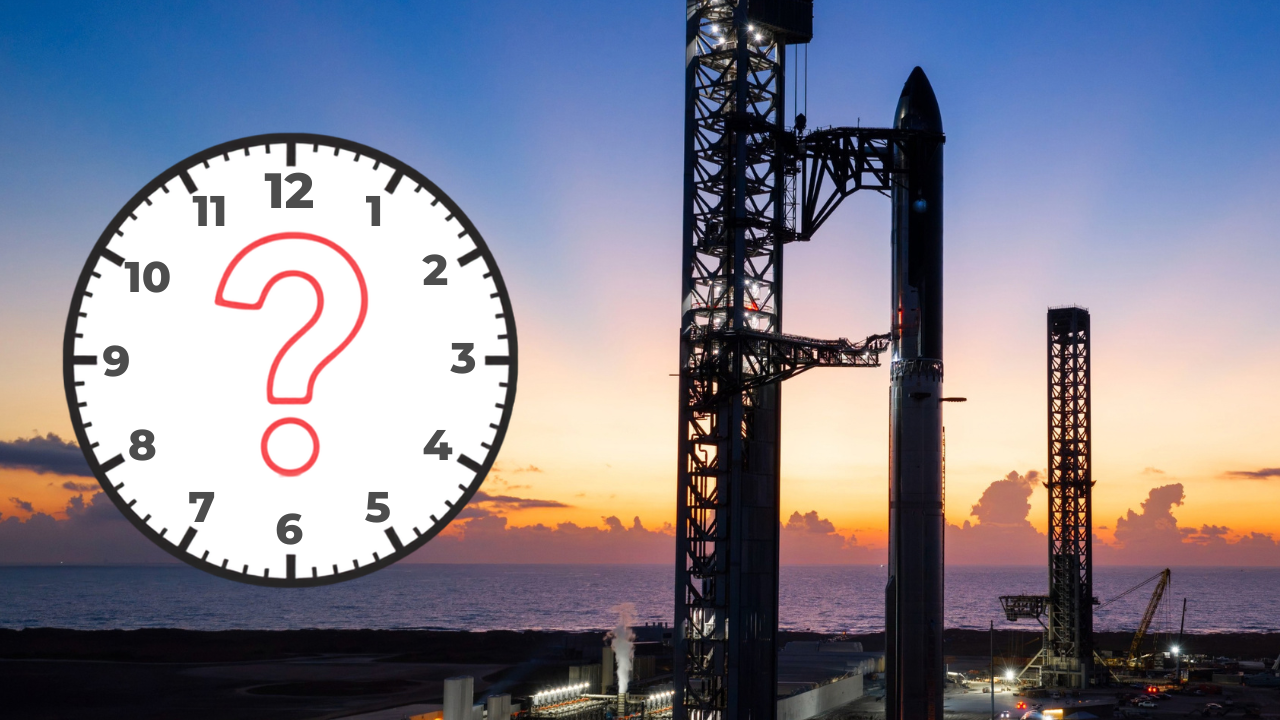
SpaceX is preparing to launch its Starship Flight 14, marking the first-ever orbital test flight of the world's largest rocket. The launch is scheduled for September 28, 2023, no earlier than 8:15 a.m. EDT (1215 GMT), from the company’s Starbase in South Texas. Viewers can follow the mission live on SpaceX’s official livestream.
Read More
Starship Flight 14 is notable as it will be the 14th test flight for the spacecraft and the third this year. The upcoming launch follows the success of Starship Flight 13 in July, which achieved a soft landing at sea and allowed for recovery and study of the vehicle.
The SpaceX Starship stands at over 400 feet (121 meters) tall and must successfully reach orbit if it is to fulfill its role in landing NASA's Artemis astronauts on the moon by 2028. The launch window on September 28 runs for 75 minutes, meaning liftoff could be delayed until 9:30 a.m. EDT (1330 GMT) due to weather conditions or technical issues.
Unlike previous missions lasting about an hour, Flight 14 will extend to nearly 10 hours due to its orbital objectives. SpaceX has planned backup launch opportunities for September 29 and 30, should the September 28 attempt be unsuccessful.
The livestream of the launch will begin 30 minutes prior, around 7:45 a.m. EDT (1145 GMT), and will be available on the SpaceX X account, as well as Space.com, which will simulcast the event. For those eager to watch prior to launch day, NASASpaceflight will offer 24/7 live views of the launch site and begin coverage at 4:15 a.m. EDT (0815 GMT) on September 28.
While SpaceX does not have an official viewing area near Starbase, several locations nearby provide good sightlines for the launch. Isla Blanca Park on South Padre Island is a recommended spot, located approximately 5 miles (8 kilometers) from the launch site. Other options include various lookout spots around Port Isabel and Highway 48.
If attendees wish for a closer view, Rocket Ranch offers specific camping packages for those willing to pay a fee.
The mission will carry the first operational Starlink V3 satellites to orbit, contributing to a significant increase in the satellite constellation's capacity. Flight 14 anticipates deploying 26 satellites, each adding 1 Tbps of capacity.
If the launch doesn't occur as planned on September 28, SpaceX will monitor conditions and may utilize the backup days. Participants and viewers can stay updated on the progress of the mission through Space.com.