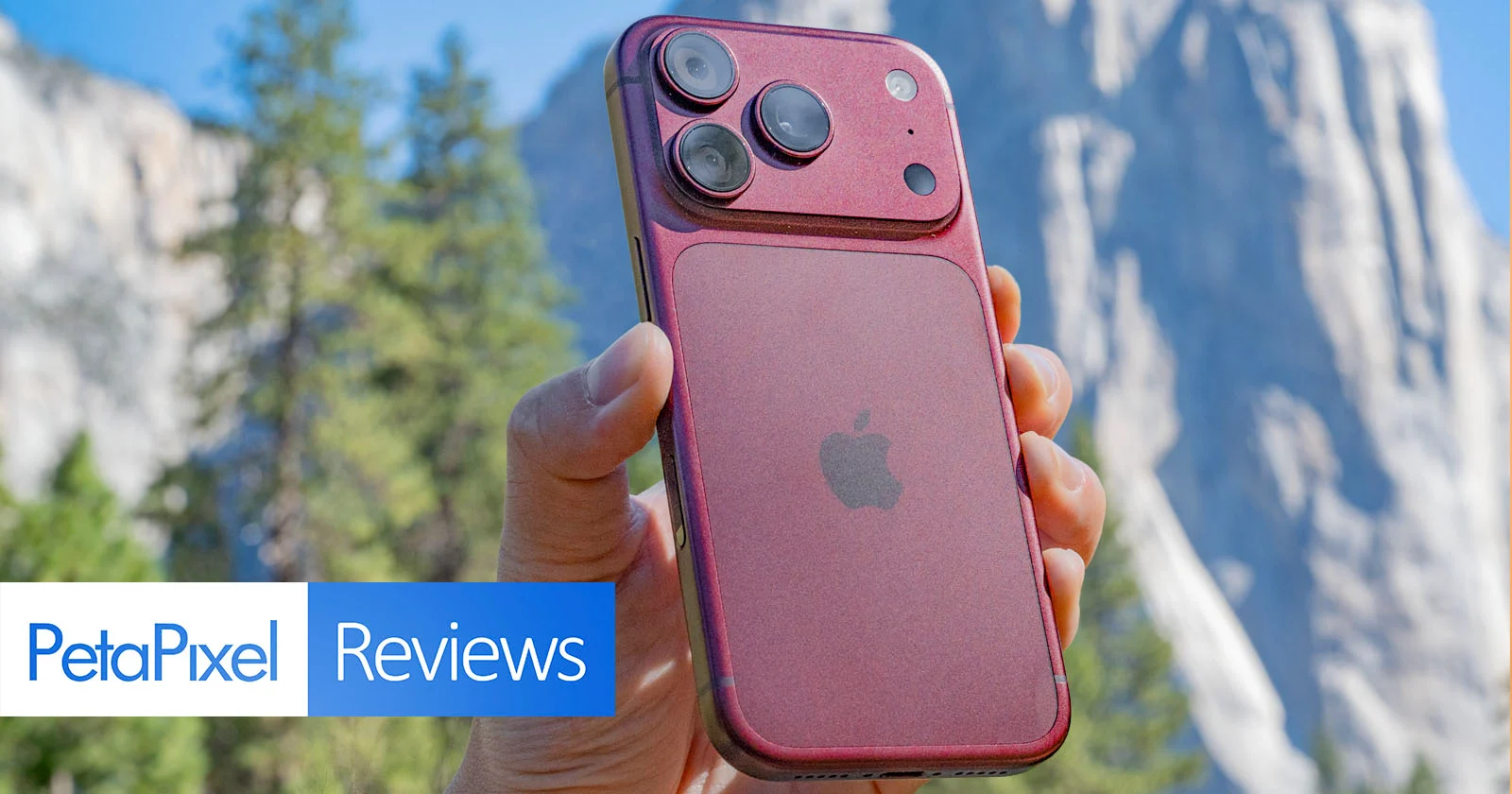
The recent keynote presentation for Apple's iPhone 18 Pro initially left some observers feeling underwhelmed, as the announced changes seemed minor—improvements to aperture and texture, among others. However, after extensive use, including around 1,000 photos and several hours of video, it is clear that the enhancements are significant in real-world application.
Read More
The iPhone 18 Pro features notable advancements, particularly in its camera functionality. Enhancements such as Pro Controls, Photographic Styles, variable aperture, and improved autofocus are all areas where users will see marked improvements. For instance, the variable aperture, which can range from f/1.48 to f/4, significantly benefits video recording by allowing for more control and better low-light performance. The autofocus tracking is also impressive, comparable to that of mirrorless cameras.
However, there are some drawbacks. The camera's ultra-wide lens feels outdated, and the inability to lock ISO can be frustrating for some photographers. Physically, the iPhone 18 Pro and Pro Max mirror the previous iPhone 17 Pro models, making them seem less innovative at first glance. Yet, this uniformity means that existing accessories and cases will fit without any issues, which reduces waste.
Color options are updated, replacing last year's bright orange with burgundy, glacier, silver, and black. However, the new burgundy has faced criticism for appearing more purple than the previous hue.
Regarding photography capabilities, while the sensor remains at 48 megapixels, the added flexibility of the variable aperture allows for better handling of different lighting scenarios. Although the main camera offers four aperture options, the ability to smoothly adjust the aperture in real-time is beneficial for capturing various effects, particularly for low-light conditions.
Image processing improvements enhance Photographic Styles by providing better, more sophisticated results. The new Texture options—including Soft Skin and Film—add depth and detail to photographs, showcasing Apple’s restraint in execution.
Further software changes include Pro Controls, which allow more serious photographers to have manual control over shutter speed, aperture, and even a histogram for better metering. However, the omission of manual ISO is a notable drawback, particularly for videographers who desire more control over exposure settings.
Additionally, the camera now records depth maps by default during video capture. This breakthrough allows users to apply cinematic effects during post-production, although some users may be disappointed with the quality of the simulated background blur.
In summary, while the incremental upgrades might seem understated during the keynote, they collectively enhance the photographic experience. Those upgrading from older iPhone models will notice significant benefits. For anyone considering a new device, the iPhone 18 Pro offers compelling reasons to make the switch, including improvements that enhance both photo and video capabilities.