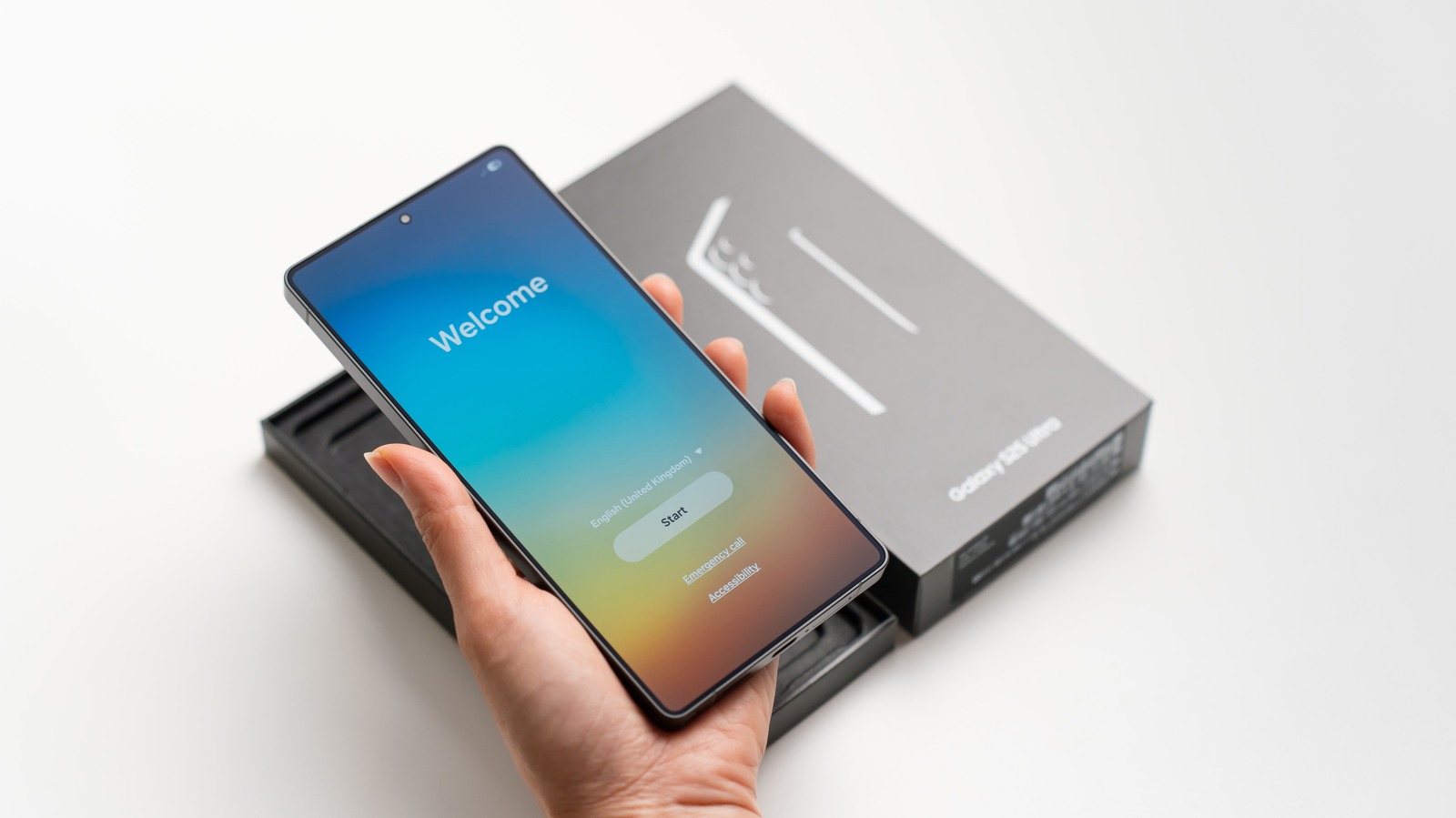
As 2026 begins, several new Android phones are already making headlines. Notably, the BlackBerry-style Clicks Communicator and Samsung's Galaxy Z TriFold were showcased at CES 2026, the latter having been unveiled in December 2025 in Korea. Additionally, Honor launched the globally available Magic 8 Pro, marking its status as a flagship device, though it was initially released in China last year. The Galaxy S26 series is anticipated to debut in February, along with other Android phone releases throughout the year.
Read More
Artificial intelligence (AI) continues to be a significant selling point for Android devices in 2026. AI features began appearing on smartphones in early 2024, and the trend is set to expand. New higher-capacity silicon-carbon batteries are likely to be adopted, and foldable phones may experience a revival, partly due to Apple's entry into the foldable market with its anticipated iPhone Fold. This year will also see the rollout of the Android 17 update, which aims to create a richer ecosystem, potentially including Android PCs and Android XR devices.
However, a concerning trend is emerging: the cost of new Android phones might rise. This increase is partly due to the demand for sophisticated AI features that require extensive cloud infrastructure. Reports from late 2025 indicated increased prices for high-end chips, RAM, and storage, directly influenced by the booming AI sector. Memory prices reportedly surged by 50% last year, and this upward trend is expected to persist. While some smartphone manufacturers may better manage these expenses, others, like Samsung, are facing challenges in securing competitive pricing for essential components.
The impact of rising RAM prices may lead vendors to limit memory upgrades. IDC suggests that many manufacturers may continue with 12GB RAM for flagship models and restrict mid-range devices to 8GB. Entry-level models might see downgrades to 4GB of RAM as a cost-saving measure. Additionally, flash storage shortages, attributed to the needs of AI datacenters, could lead to fewer options for higher storage capacities in new devices, as NAND storage prices rise.
On a positive note, Chinese manufacturers have already begun utilizing silicon-carbon batteries, which allow for increased capacity without adding thickness. The recently launched Honor Magic 8 Pro features a 6,270 mAh battery that supports fast charging. This year could see these batteries become more widespread, with expectations for phones equipped with 8,000 mAh batteries.
Samsung's Galaxy S26 may introduce battery innovations as well, including improved charging speeds and the possibility of adopting a magnetic charging system akin to Apple’s MagSafe. The arrival of Apple's iPhone Fold later in the year may encourage further development in the foldable market, as competitors adapt innovations from Apple.
The use of advanced processors like the Snapdragon 8 Elite Gen 5 is expected to drive new AI functionalities across devices. The Honor Magic 8 Pro exemplifies this integration, allowing users to interact with AI agents for tasks such as photo editing and settings management. Samsung is expected to feature its own AI capabilities during the Galaxy S26 launch in February.
Google is also set to enhance the Android experience with Android 17, introducing features like customizable keyboard shortcuts, improved notifications, and parental controls. Changes to app sideloading procedures may also be implemented to bolster security.
Beyond smartphones, Google aims to expand Android's reach through the Android XR initiative, an AI-first operating system for smart glasses and spatial computing. The Galaxy XR launched previously, and hardware for Android XR devices is expected to hit the market in 2026. Additionally, Google plans to merge Chrome OS with Android into a new operating system known as Aluminium OS, which will prioritize AI in its offerings. Google is also advancing its Desktop Mode for Android, which could enhance user experiences for devices like the Galaxy Z TriFold.