NASA is advancing its efforts to establish a lunar base by the end of the decade, driven by an executive order from the White House. The agency aims to achieve 70 lunar landings over the next ten years, with 45 of them targeted for completion by 2032. Jared Isaacman, the head of NASA, emphasizes the challenges of such missions, especially as U.S. spacecraft have only successfully landed on the moon once since the conclusion of Project Apollo in 1972.
Read More
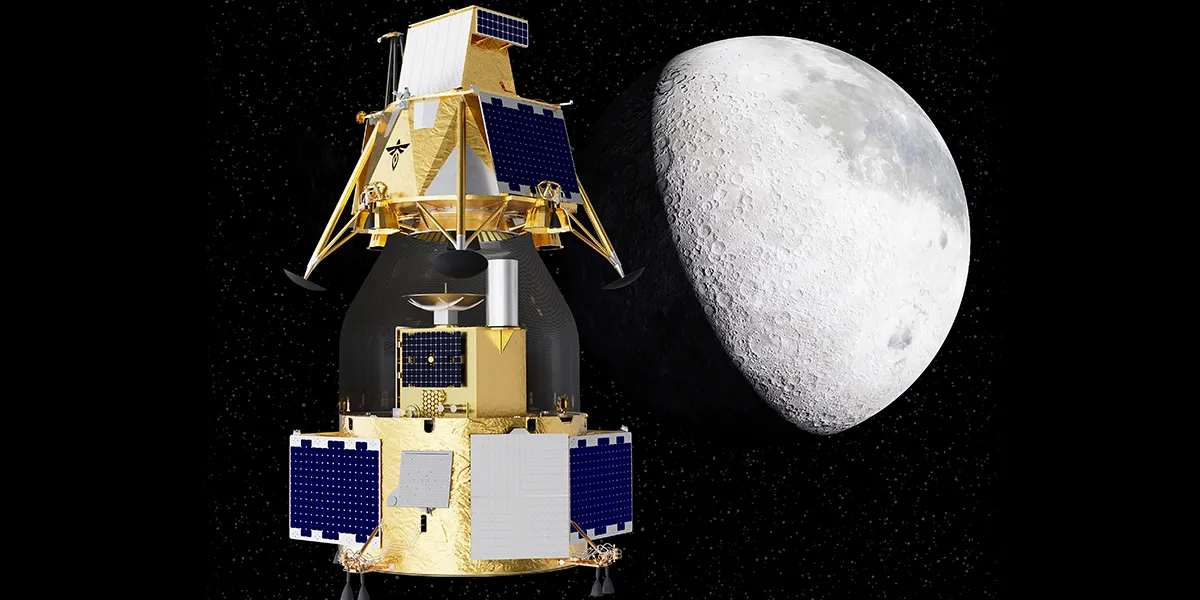
At Firefly Aerospace in Texas, engineers are currently assembling Blue Ghost Mission 2, a robotic spacecraft slated to land on the far side of the moon in 2027—an unprecedented feat for U.S. missions. In recent years, several competitors have struggled with their lunar landings, with two craft from Intuitive Machines falling over upon landing in 2024 and 2025, and another mission by Astrobotic Technology missing the moon in 2024 due to a malfunctioning valve.
NASA’s strategy includes a phased approach to developing the moon base. Carlos García-Galán, the program manager for this initiative, outlines three phases. The first phase, from now until 2029, will focus on achieving regular and low-risk lunar landings, with an expectation to see at least six companies attempt missions by the period's end. NASA has set an initial target of seven landings each in 2027 and 2028.
If phase one is successful, phase two (2029-2032) will involve the construction of essential infrastructure, including power systems and communication networks. Ultimately, phase three will see astronauts from NASA’s Artemis program spending extended durations at the base. The landing requirements will escalate from 4,000 kilograms of equipment in phase one to 150,000 kilograms by phase three, indicating a significant increase in logistical challenges.
To manage costs and promote innovation, NASA is allowing private companies to conduct the missions, positioning itself as a customer. Currently, agreements are in place with firms like Firefly, Intuitive Machines, and Jeff Bezos’s Blue Origin. These collaborations aim to mitigate financial risk, fostering a competitive environment where companies are contracted for $100 to $200 million for lunar missions. Failure to deliver within deadlines could result in loss of funding, as seen in July when NASA canceled a contract with Draper Laboratory due to extensive delays.
As companies race to secure contracts, enthusiasm in the space industry is palpable. Firefly’s engineering team has expanded its facilities to boost production capacity, while García-Galán reports observing an uptick in companies ramping up their lunar mission capabilities. However, the landscape is not without its challenges; notable setbacks have occurred, including the bankruptcy of Masten Space Systems after years of development efforts.
On another front, SpaceX, led by Elon Musk, is a dominant player with its frequent launches. However, the company aims to transition from its Falcon 9 rocket to its newer Starship technology, causing uncertainty for its smaller competitor nations. Despite this, both SpaceX and Blue Origin are critical to supplying NASA’s landers for Artemis missions.
With the daunting task of creating a sustainable lunar presence, NASA remains focused on turning lunar landings into a routine aspect of space exploration, akin to regular launches in the commercial satellite sector. Firefly Aerospace's Kevin Scholtes expresses optimism about the transformative potential of ongoing competition and innovation in the space industry.