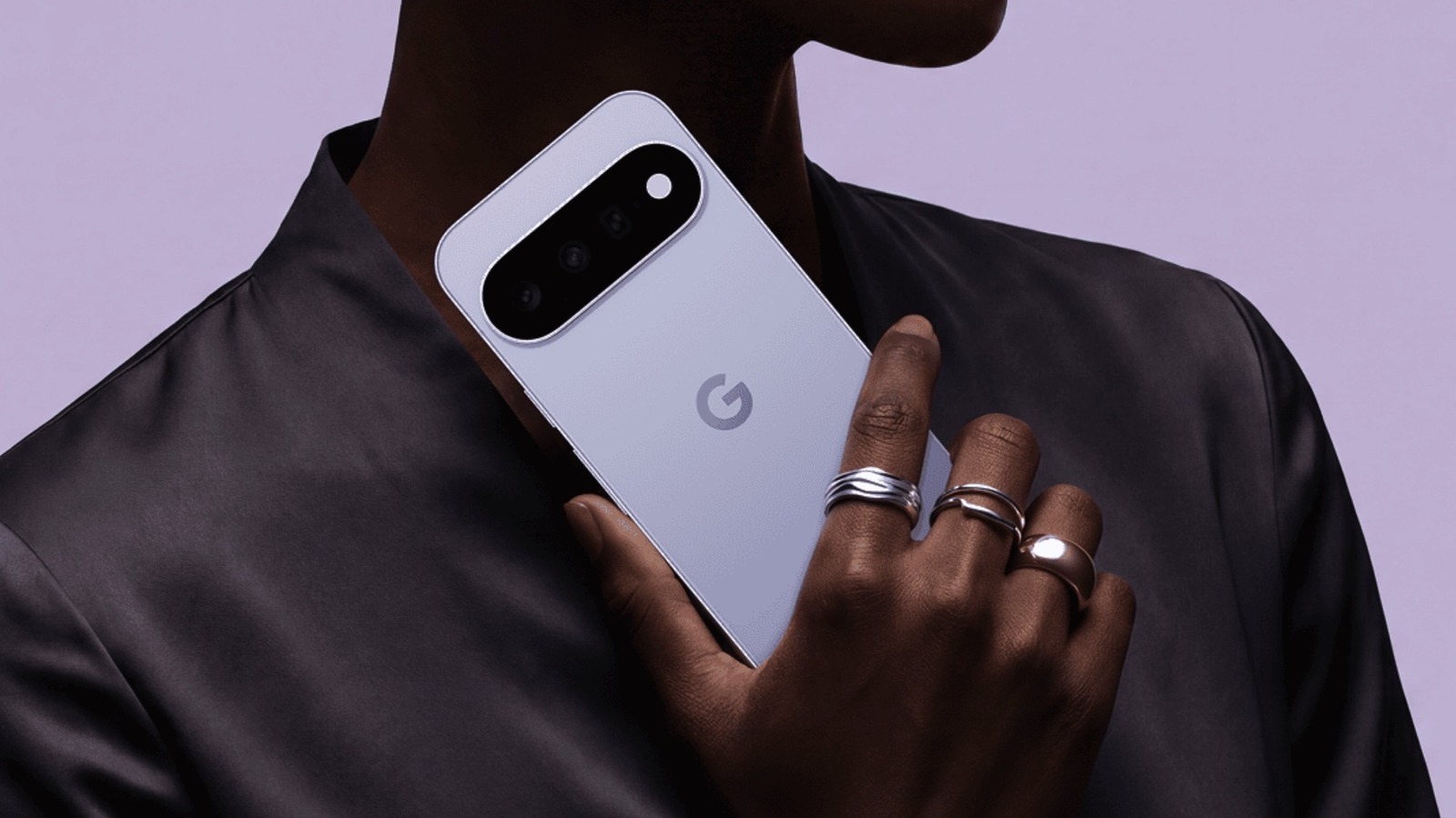
The Google Pixel 11, which features a seven-year software guarantee for Android and security updates and runs on Google's Android 17 OS with Gemini Intelligence, is one of four new devices released this year. While it benefits from timely software updates, the Pixel 11 is more expensive than its predecessor and does not rival the performance of higher-end flagship models available in 2025 and 2026.
Read More
Several devices outperform the Pixel 11 in speed tests, including the Samsung Galaxy S25, Nubia Z80 Ultra, Motorola Razr Ultra (2025), OnePlus 15, and Samsung Galaxy S26. Although daily tasks may not reveal a noticeable speed difference, these models are equipped with advanced chips providing better performance in demanding applications and gaming, especially for users planning to keep their phones for several years.
The Samsung Galaxy S25, launched in January 2025, provides a robust alternative. Similar to Google's offering, it includes a seven-year software guarantee, but its Snapdragon 8 Elite chip significantly surpasses the Pixel 11's Tensor G6 in performance. In Geekbench 6 tests, the Galaxy S25 scores 3,037 (single-core) and 9,669 (multi-core) compared to the Pixel 11's 2,575 and 6,027. The Galaxy S25 also excels in graphics performance, with a 3DMark Wild Life Extreme score of 5,959, compared to the Pixel 11's 3,353. Priced around $700, it features a 6.2-inch display, 120 Hz refresh rate, and a solid camera system.
Launched in April 2025, the Motorola Razr Ultra (2025) boasts the same Snapdragon 8 Elite chip as the S25, achieving Geekbench scores of 2,796 and 8,823. Reviewers have noted it as a top-performing flip phone. Priced originally at $1,299, it is now available for about $700, offering 16 GB of RAM and 512 GB of storage, along with a unique foldable design and a dual 50-megapixel camera system. However, it only provides three years of software updates.
The ZTE Nubia Z80 Ultra, arriving in late October 2025, also surpasses the Pixel 11's performance. With a starting price of $799, it has a Snapdragon 8 Elite Gen 5 chip and scores 3,487 and 10,550 in Geekbench tests. It features a large display, impressive battery life, and a three-camera setup, but software updates are limited to one year after its launch.
The OnePlus 15, released in late October 2025, offers better performance per dollar, featuring the same Snapdragon chipset, with Geekbench scores of 3,551 and 10,415. This model includes a triple-lens camera system and excels in battery capacity. However, it's important to note that software support for the OnePlus 15 is limited to four years of major Android updates.
Finally, the Galaxy S26 incorporates a customized Snapdragon 8 Elite Gen 5 and starts at $799. Its Geekbench scores are similarly high and match or exceed those of the Pixel 11. Both the S25 and S26 models come with Samsung's seven-year software policy, making them strong contenders against the Pixel 11.
This assessment highlights that Google's Tensor chips still fall short compared to premium Snapdragon processors. The phones selected for comparison are flagship models available in the U.S., with a focus on performance metrics such as Geekbench scores and 3DMark results that reveal their superior capabilities over the Pixel 11.