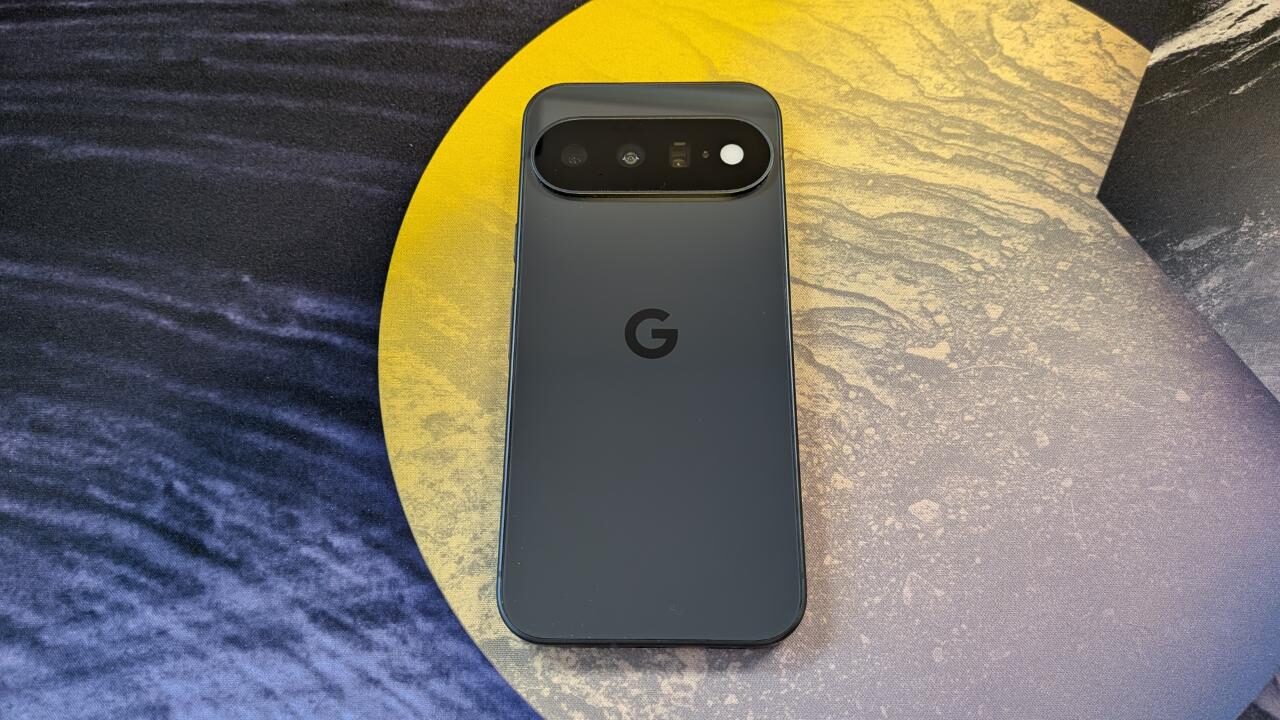
The Google Pixel 11 series has been released, continuing the trends established in previous models. Consistent annual smartphone updates often struggle to innovate significantly, and the Pixel 11 appears to follow this pattern. Although the phone is well-received, its conservative improvements raise questions about its groundbreaking potential.
Read More
The current tech landscape showcases advancements in artificial intelligence, yet the Google Pixel 11 reflects challenges due to resource shortages affecting technology development.
Specifications reveal that the Pixel 11 shares many traits with its predecessor, weighing roughly 197g and sporting the same OLED display with HDR10+ and peak brightness of 2000 nits. The updates for this model include an upgraded GPU, now featuring the Tensor G6, and a tweaked rear camera. The battery capacity has slightly increased from 4970mAh in the Pixel 10 to 4985mAh in the Pixel 11, but battery life remains similar. The introduction of 25W wireless charging enables faster charging than previous models.
Processing power has improved with the Tensor G6 chipset, resulting in a performance boost compared to the Tensor G5. Users will notice a 25% increase in web browsing speed and a 15% increase in app loading times.
The base model now offers 256GB of internal storage, doubling the previous 128GB option. This increase is particularly beneficial for users who require more space for videos and other content.
Camera hardware is mostly unchanged, maintaining a 48MP main camera and a 10.5MP front-facing camera similar to the Pixel 10. However, new features like Magic Capture allow users to capture video and still photos simultaneously, enhancing the camera experience. Additionally, auto-edits are enabled by default, but users can opt out if they prefer manual editing.
An exciting addition is the upgrade to the Creator Suite, designed for content creators. Features such as a Teleprompter facilitate video recording without the need for third-party apps. Other improvements include better audiovisual feedback and a social media grid, which helps ensure that on-screen content is not obscured.
The QuickShare feature has been improved to support AirDrop functionality, making file transfers between Pixel and iPhone users easier. For those who use voice notes, the new Rambler feature in Gboard converts spoken language into structured text effectively, handling speech impediments well.
Gaming performance on the Pixel 11 continues to be solid, with demanding games running smoothly, although some minor lag may occur during intense scenes.
In conclusion, while the Pixel 11 offers valuable features and accessibility improvements, it lacks major innovations that would justify an upgrade for current Pixel 10 users. However, those coming from earlier models such as the Pixel 8 might find the new offerings worthwhile. Overall, there is optimism for future iterations to deliver more novel enhancements.