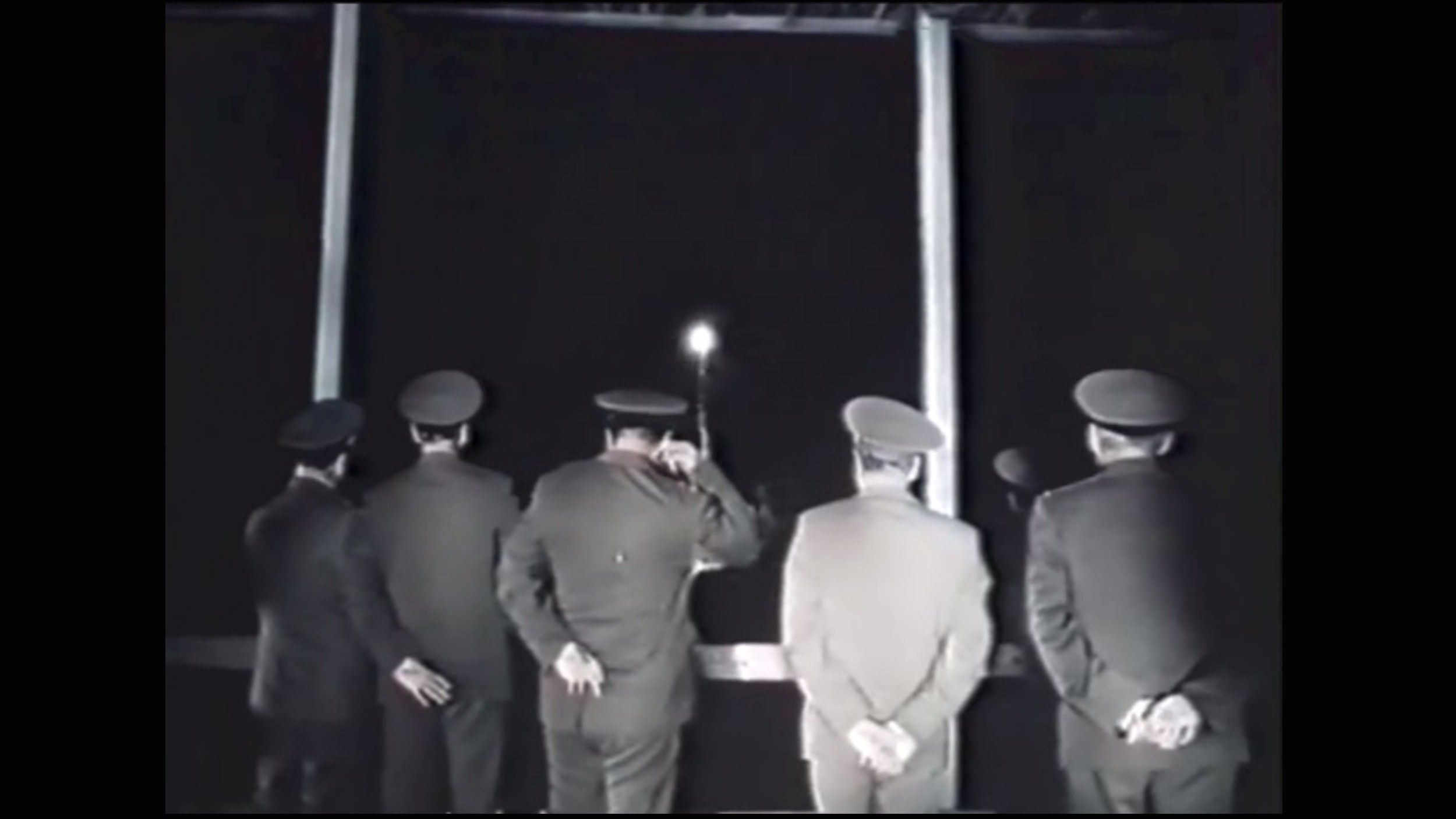
On September 26, 1983, a Soyuz rocket exploded on the launchpad at the Baikonur Cosmodrome in Kazakhstan, narrowly avoiding disaster for cosmonauts Vladimir Titov and Gennady Strekalov. Their Soyuz T-10-1 spacecraft was set to launch to the Salyut 7 space station when a fire erupted approximately 90 seconds before liftoff. Fortunately, the emergency abort escape system successfully ejected their capsule just two seconds before the explosion occurred.
Read More
This incident marked the first use of a crewed launch escape system, which is designed to separate the spacecraft from its rocket in emergencies. The escape tower, fitted with its own rocket motors, forced the Soyuz capsule away from the rocket, allowing it to parachute safely to the ground. This safety feature is similar to systems used in NASA's Mercury, Gemini, and Apollo missions, as well as in more recent spacecraft like the Space Launch System and Orion.
According to the Encyclopedia Astronautica, the failure was attributed to a fire at the base of the booster prior to launch. The force of the escape system subjected Titov and Strekalov to 20Gs as they were propelled away from the explosion.
The Soyuz T-10-1 was not the only launch abort; another incident occurred on October 11, 2018, when a Soyuz rocket carrying NASA astronaut Nick Hague and Russian cosmonaut Dmitry Rogozin faced a failure during ascent, triggering the launch abort system. Both astronauts safely landed after experiencing about 6.7 Gs during the abort.
Hague reflected on the experience, stating he had not anticipated such a dramatic start to his space journey, but he returned to space successfully in February 2019. This history of the Soyuz T-10-1 highlights the crucial role of safety mechanisms in space exploration.