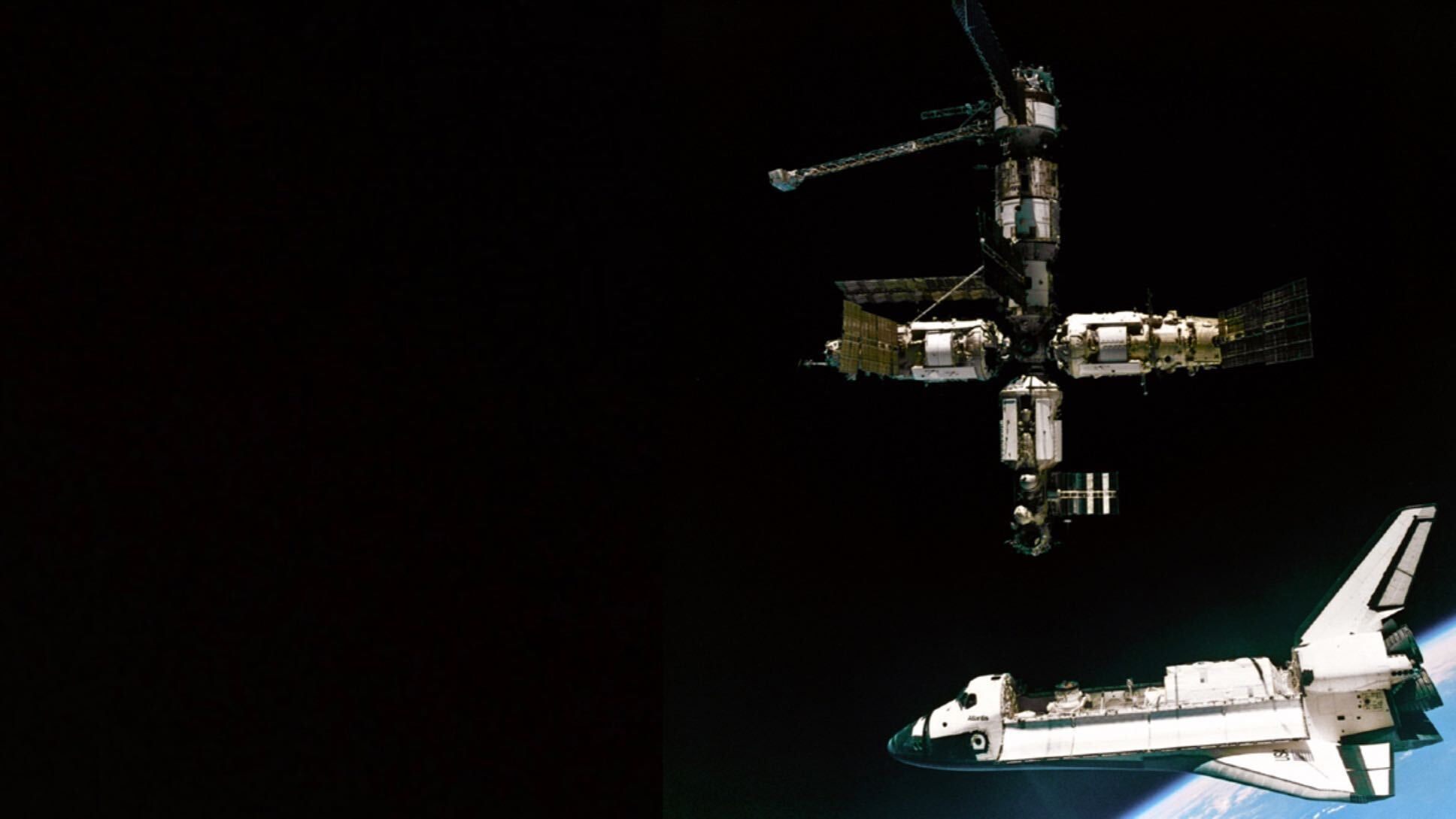
On October 6, 1992, the United States and Russia signed the Agreement on Human Spaceflight Cooperation, marking a significant milestone in international space exploration. This agreement detailed the framework for the joint Shuttle-Mir Program, allowing for the exchange of astronauts and cosmonauts on human spaceflight missions. Under this program, NASA's space shuttles transported Russian cosmonauts to the Mir space station while American astronauts began flying aboard Russian Soyuz spacecraft.
Read More
The signing established a foundation for over 30 years of collaboration in space between the two nations, later expanding to include more than a dozen other countries. Initially focused on the Shuttle-Mir program, the agreement facilitated the travel of seven American astronauts to Mir between 1994 and 1998, with a total of 10 NASA shuttle missions visiting the station during that period.
Mir itself accommodated 125 cosmonauts and astronauts from 12 different countries during its 13 years in orbit before it was deorbited on March 23, 2001, burning up upon re-entry with any surviving debris landing in the Pacific Ocean.
In 1993, following the agreement, Russia joined NASA in the International Space Station (ISS) initiative, collaborating with multiple space agencies from Japan, Canada, and Europe. Russia launched the first component of the ISS in 1998, contributing to the construction of the largest single crewed spacecraft in orbit.