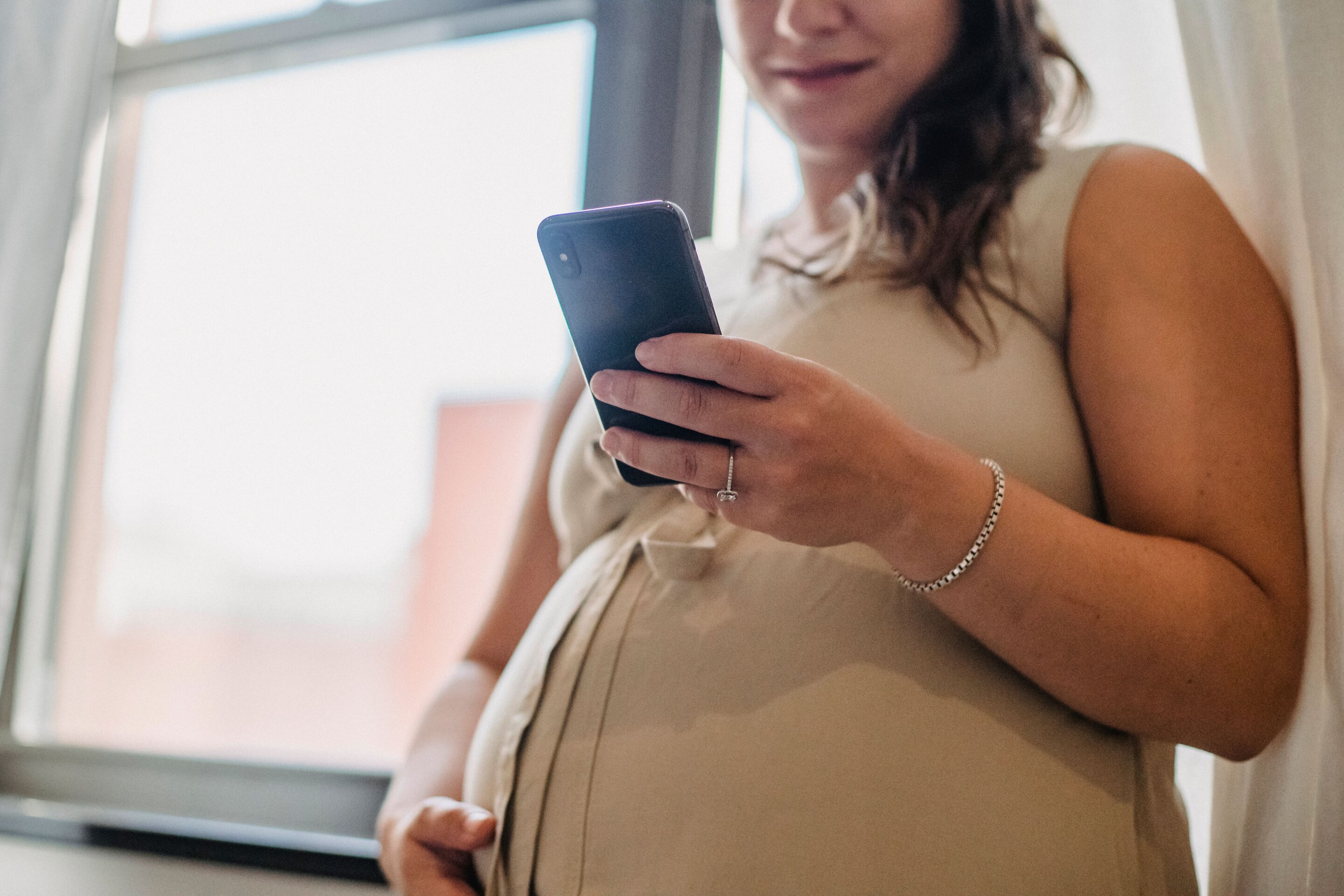
A systematic review of scientific literature on mobile phone use during pregnancy explores its potential health effects on fetal outcomes. While some studies found no significant links between mobile phone usage and major pregnancy results, many indicated that prolonged or intensive use could be associated with various adverse outcomes, particularly cardiovascular issues and shorter gestational duration.
Read More
The review suggests possible biological mechanisms by which mobile phone use might lead to negative pregnancy results. The findings were published in the Journal of Exposure Science & Environmental Epidemiology and involve researchers from Columbia University Mailman School of Public Health, Columbia Vagelos College of Physicians and Surgeons, Cornell University, and Johns Hopkins University.
Researchers reviewed studies published up to February 2026 on platforms such as PubMed and Web of Science. Norman Kleiman, Ph.D., an associate professor at Columbia Mailman School, emphasized the need to understand the risks mobile phones might pose to developing fetuses due to the rising adoption of mobile technology.
The study highlights the increase in cellphone users from approximately 500 million in 2000 to an estimated 6.4 billion by 2021. An average smartphone user reportedly spends three to four hours daily on their devices. One study of 423 adults, including 256 women, found a correlation between greater cellphone use and increased sedentary behavior, which could lead to complications such as reduced gestational age and hypertensive disorders.
Mobile phones emit nonionizing microwave radiation, known as radiofrequency electromagnetic fields (RF-EMFs). Unlike ionizing radiation, RF-EMFs do not have sufficient energy to directly harm DNA. Nevertheless, chronic exposure may influence biological processes tied to health issues such as headaches, sleep disturbances, and infertility. Additionally, RF-EMF exposure could raise localized temperatures in tissues, a factor linked to organ dysfunction.
Given the evolving nature of mobile technology—including the rollout of 5G networks—the review argues that future studies must consider various exposure sources, including Wi-Fi networks and cell towers. The researchers stress the importance of differentiating types of phone use, as voice calls and other activities may involve varying exposure patterns.
To mitigate potential risks, particularly among high-risk individuals, the authors recommend practical steps like using speakerphone or wired headsets, keeping phones away from the abdomen, and switching phones to airplane mode when not in use.
Kleiman noted that findings should be interpreted cautiously, advocating for future cohort studies with standardized assessments to clarify these associations. Co-author Ka Kahe, M.D., Sc.D., pointed out the current evidence suggests possible adverse effects, but firm conclusions are premature due to inconsistent findings in existing studies.
The study involved contributions from Maggie Wang from Cornell University, and from colleagues at Columbia Mailman School of Public Health, Vagelos College of Physicians and Surgeons, and Johns Hopkins Bloomberg School of Public Health and School of Medicine.