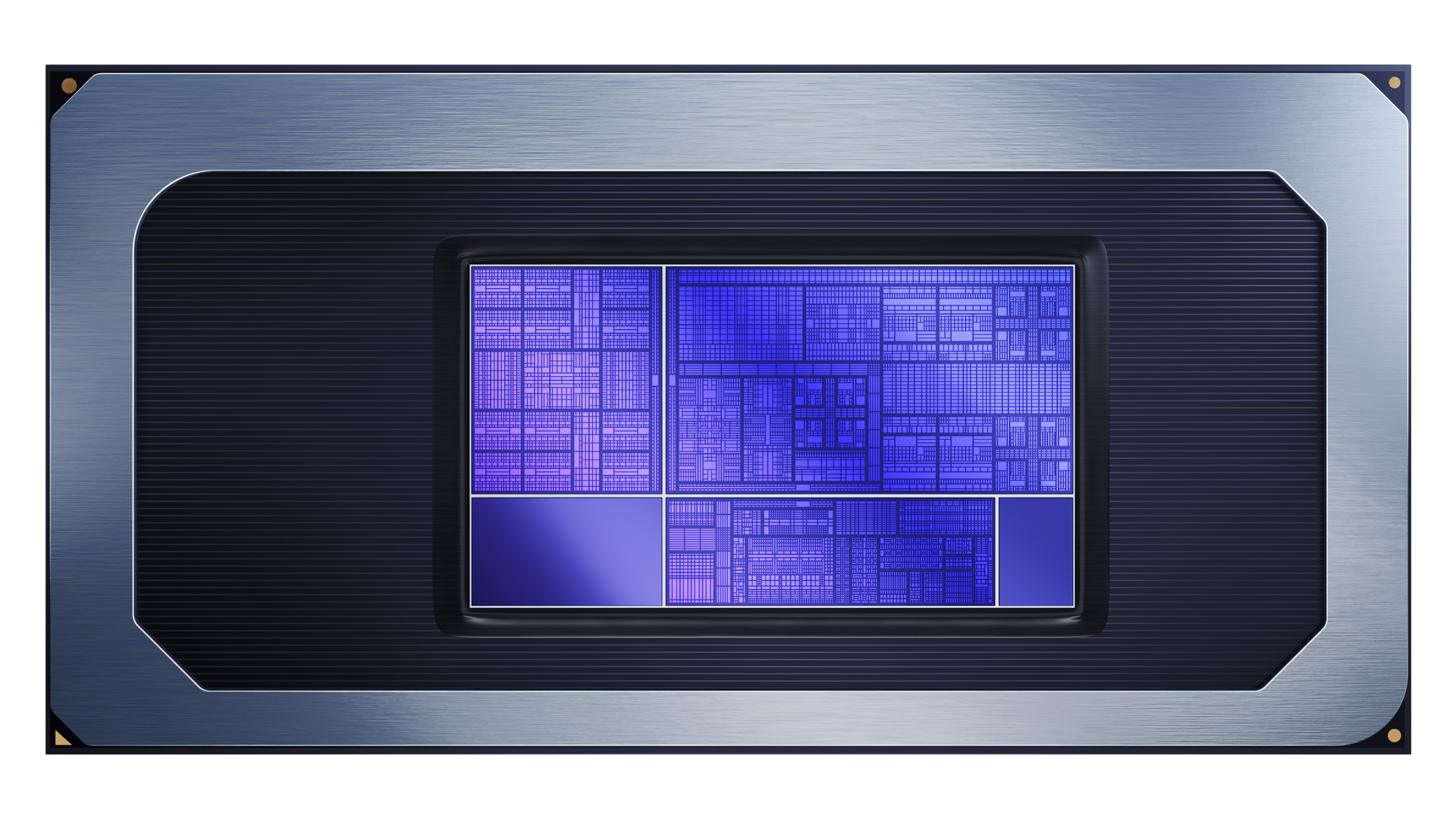
Intel has launched its Core Ultra Series 3 mobile processors, codenamed Panther Lake, during CES 2026. This release marks two significant advancements for the company: it introduces a new generation of hardware featuring updated architectures and technologies, and it debuts Intel’s 18A manufacturing process, representing a major evolution in chip production.
Read More
The timing of the launch offers Intel a strategic advantage, as its main competitor, AMD, is currently focused on its existing hardware lineup. This situation provides Intel with a unique opportunity to enhance its market presence and reclaim shares in the x86 client market, especially in the mobile PC segment.
The Core Ultra Series 3 will exclusively cater to mobile devices, while desktop users will continue to utilize the Core Ultra 2 Series, also known as Arrow Lake. Intel plans to release 14 distinct SKUs for the mobile market starting January 27, 2026, with additional non-ultra Core Series 3 chips expected later.
Panther Lake represents an evolution in Intel’s architecture, introducing new designs across essential functional blocks, including a revised CPU architecture for performance and efficiency improvements, a new GPU architecture, and integrated AI capabilities with a localized NPU. Additionally, Intel has developed new Wi-Fi hardware and a camera input processing unit. Notably, memory support remains unchanged as DDR5 and LPDDR5X technologies have yet to be surpassed.
Intel claims Panther Lake will deliver moderate enhancements in CPU performance compared to Arrow Lake, with more substantial improvements expected for GPU performance, all while optimizing energy efficiency due to architectural changes and the new manufacturing process.
This latest generation consolidates Intel's platform into a single architecture for mobile devices, returning to a unified approach unlike the previous Series 2, which split low-power and high-performance platforms. Panther Lake aims to retain the energy efficiency of the earlier Lunar Lake while offering comprehensive performance capabilities.
The design incorporates Intel's tiled (chiplet) architecture, moving from four tiles in earlier generations to three for Panther Lake: a compute tile, a GPU tile, and a platform controller tile. Each of these tiles will be available in both high-performance and low-performance versions, allowing Intel to mix and match configurations for various SKUs.
The compute tiles will be manufactured in-house at Intel's facilities using the 18A process, marking a return to self-manufacturing for critical chip components. However, the platform tiles will be produced by TSMC, while the GPU tiles will be split between Intel’s and TSMC’s processes based on performance capability. Overall, Intel aims to streamline its manufacturing while utilizing a flexible sourcing model.