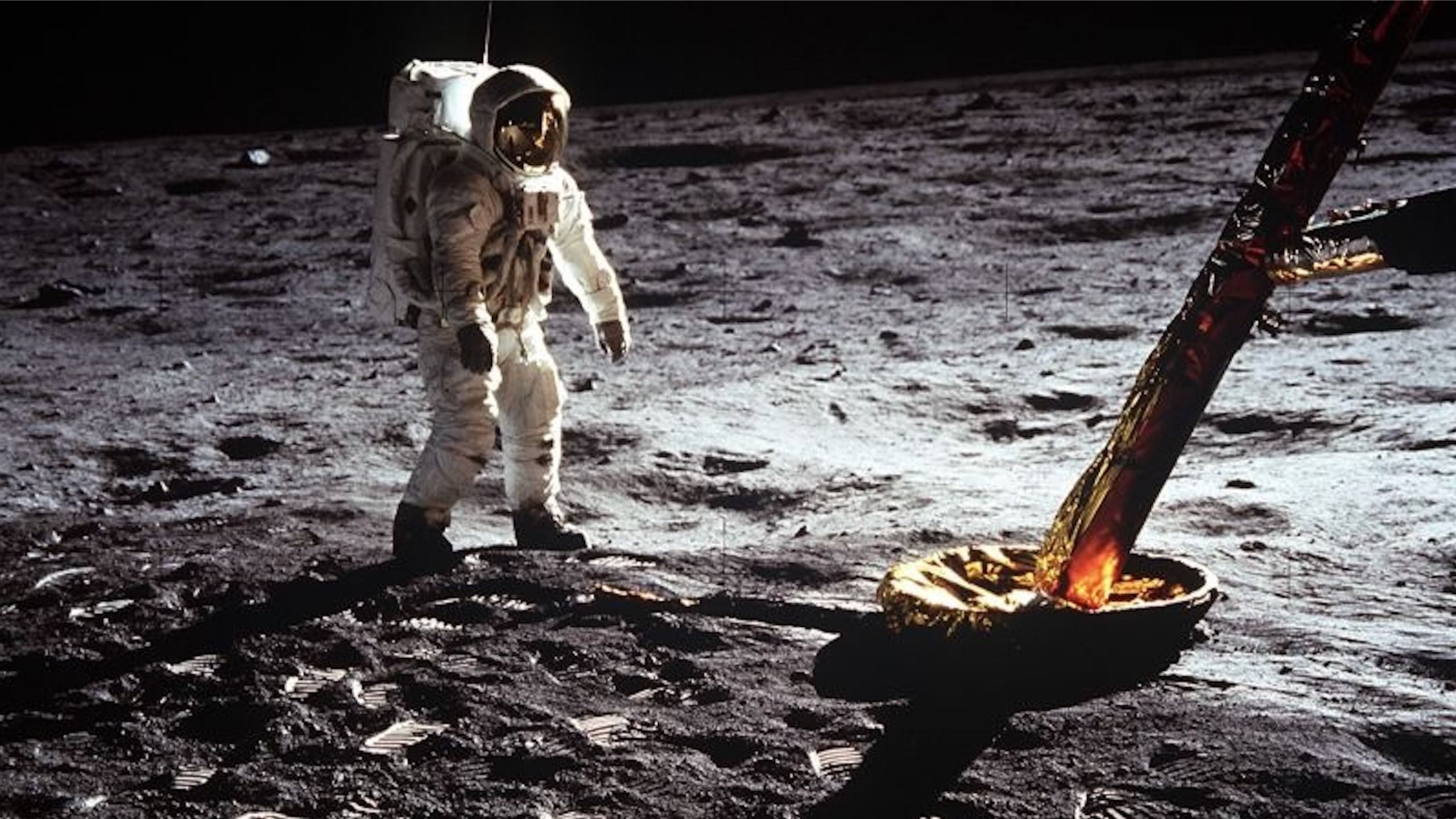
The moon, site of humanity's first footprints on another celestial body during the Apollo 11 landing from 1969 to 1972, is at the center of discussions regarding the preservation of its historic sites as space traffic is expected to increase. A meeting held by the International Scientific Committee on Aerospace Heritage (ISCAH) in Pisa, Italy, focused on developing guidelines to safeguard lunar heritage, particularly in light of risks from spacecraft deorbiting onto the moon's surface.
Read More
Recent events, such as the crash of a SpaceX Falcon 9 upper stage into the moon last August, have raised concerns about the impacts of deorbited satellites and rocket stages. Experts emphasized that as lunar traffic grows, controlled crash landings are becoming a popular strategy for end-of-mission disposal, which poses threats to cultural heritage sites.
Luca Forassiepi, speaking at the meeting on September 14, noted the limited understanding of the effects of these impacts, mentioning that much knowledge is derived from simulations rather than direct observations. He underscored the need for better models to understand ejecta behavior and its potential implications.
Associate Professor Alice Gorman from Flinders University highlighted how the moon's airless environment can stir up abrasive dust, posing a significant risk to cultural heritage, including the Apollo 11 landing module. She stated that minimizing impacts from rocket and satellite crashes is crucial to protect both heritage sites and future missions.
As of now, there have been 51 recorded spacecraft impacts on the moon, including nine rocket bodies and 19 lunar orbiters, leading to potential hazards that could irreversibly damage these historic sites. Under the 1967 Outer Space Treaty, nations are responsible for damage caused by their space activities, prompting discussions about the need for end-of-life planning for spacecraft.
Beth O'Leary, a professor emerita at New Mexico State University, underscored the need for international attention to the moon, describing it as part of Earth's cultural landscape. The meeting's participants aimed to address the challenges posed by increasing lunar activity and evaluate potential risks to aerospace heritage.
ISCAH aims to enhance its understanding of lunar preservation issues through collaboration with experts in planetary geoarchaeology and heritage management. O'Leary noted the importance of developing research and policy recommendations to protect lunar heritage, stating that decisions made now could have significant long-term consequences.
The group's efforts include addressing the future of lunar heritage post-mission, including best practices for protecting spacecraft and other artifacts associated with lunar exploration. Justin Holcomb from the Kansas Geological Survey is working on identifying geological and human processes threatening lunar heritage and finding environments conducive to preservation.
Forassiepi mentioned ongoing research collaborations aimed at refining risks associated with deorbiting and crash landings. The ISCAH plans to engage stakeholders, including space agencies and heritage experts, to develop guidelines for sustainable lunar practices. Their ultimate goal is to establish internationally recognized behavior standards to ensure the protection of lunar heritage for future generations.