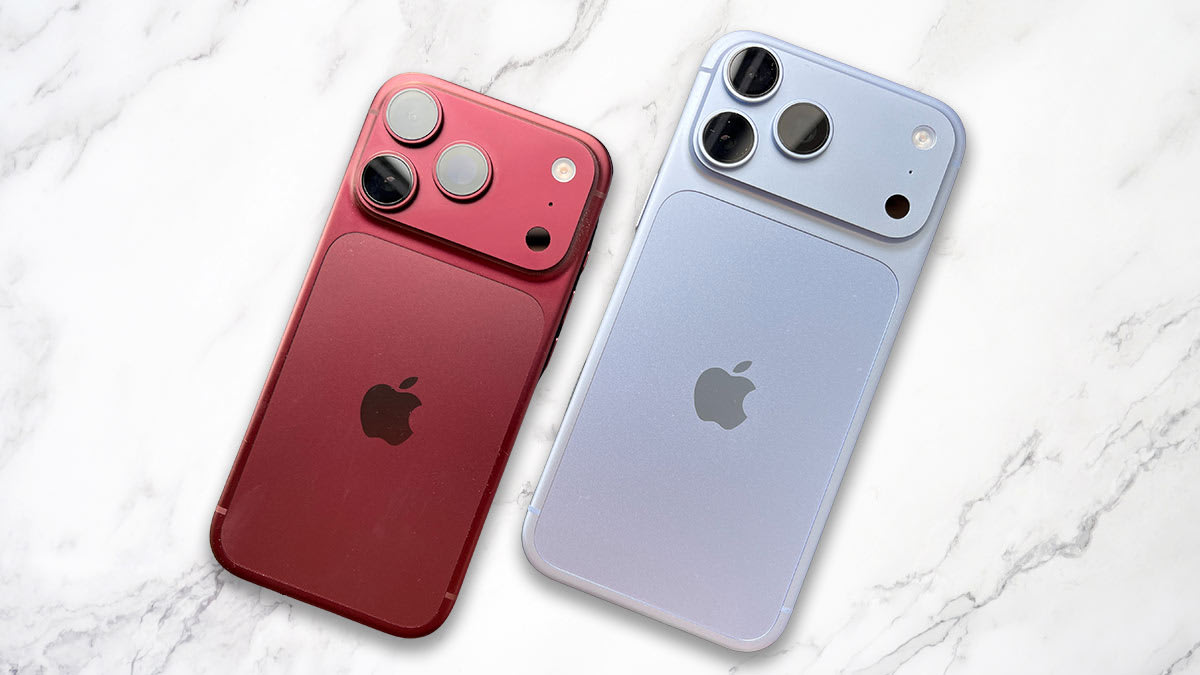
Apple's iPhone 18 Pro and 18 Pro Max were announced but did not overshadow the company's foldable iPhone Duo, set for release next month. The standard iPhone 18 has also been delayed, now expected to launch alongside the budget iPhone 18e in the spring.
Read More
Consumer Reports evaluated the iPhone 18 Pro and 18 Pro Max, noting that while the devices are impressive, they closely resemble last year's models. Key upgrades include the new A20 Pro chip and a redesigned vapor chamber, suggesting modest improvements in battery life and performance. Photography enthusiasts may appreciate the addition of manual camera controls and a variable aperture, allowing for enhanced creative options.
The pricing for the new models reflects an increase of $100, with the 6.3-inch iPhone 18 Pro starting at $1,199 and the 6.9-inch Pro Max at $1,299. Other software features, such as enhanced AI capabilities through iOS 27, will be available for older models starting from the iPhone 15 Pro.
Potential buyers should consider whether their current devices, particularly those older than the iPhone 14 Pro, are underperforming. Upgrading could bring significant improvements, including a larger screen and enhanced camera capabilities. However, those satisfied with their current phones may find it feasible to replace the battery instead, extending the device's life for around $100.
The iPhone 18 Pro models boast an upgraded A20 Pro chip, with a reported 40% increase in processing speed and improved cooling through the redesigned vapor chamber. Battery life has increased slightly, with the 18 Pro now capable of 36 hours of video playback, compared to 33 hours previously.
Another notable change is the slightly smaller Dynamic Island at the top of the screen, which now accommodates additional live updates. The display maintains Pro-level features, including a peak brightness of 3,000 nits and a smooth 120 Hz refresh rate.
Despite retaining similar dimensions, the new phones are heavier than their predecessors, making them less suitable for users seeking a lightweight option.
Camera improvements include a variable aperture for the primary rear lens, providing users with manual control over light exposure, a first for iPhones. Though some functionalities can be achieved through software edits, the new manual controls aim to enhance user experience.
Video capabilities have also been upgraded, incorporating features like Cinematic Mode editing and Focus Tracking, which utilize AI to maintain focus on moving subjects.
Overall, this year's iPhone Pro models introduce incremental upgrades rather than groundbreaking changes. While photography enthusiasts may find value in the enhancements, users of models older than the iPhone 14 Pro may benefit the most from an upgrade. For those not needing the latest features, exploring older or refurbished models could be a budget-friendly option.